The Sanctification of a Sovereign: From Placeholder to a Martyr
 7 months, 1 week ago
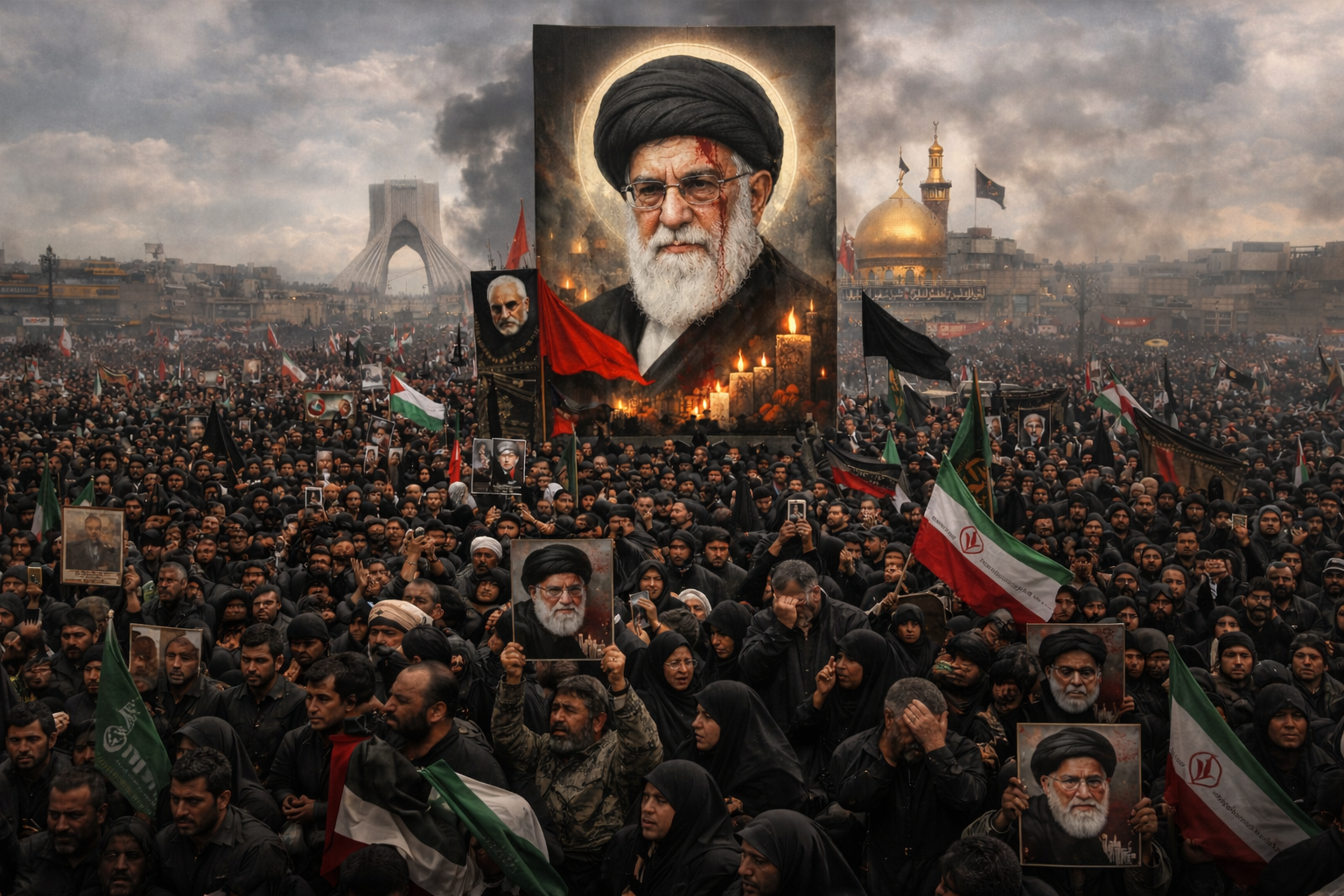
The scenes unfolding from the streets of Tehran to the main roads of Srinagar reveal a geopolitical reality often overlooked by Western observers: the transformation of Ali Khamenei from a political figurehead into a transcendent martyr for generations. While reports of internal dissent and economic hardship in Iran are factual, the immediate aftermath of Ayatollah Ali Khamenei’s assassination in a joint operation by Israel and the United States, has triggered a profound, collective grief. In the Shia tradition, and even among many Sunni Muslim communities in the Indian subcontinent, such an event is not viewed through the lens of political regime change, but through the ancient, powerful prism of religious sacrifice.
Khamenei’s rise was an improbable journey of political engineering and survival. In 1989, he was a mid-ranking cleric—not yet an Ayatollah—who lacked the deep religious credentials of his predecessor, Ruhollah Khomeini. His elevation was a strategic compromise designed by the Revolutionary Guards to ensure stability. However, over 36 years, he defied the "placeholder" label, consolidating absolute control over Iran’s nuclear program, judiciary, and military. Even the physical toll of a 1981 assassination attempt, which left his right arm paralyzed, served as a potent symbol of his lifelong commitment to the revolutionary cause.
The miscalculation by Western powers lies in a fundamental misunderstanding of the Shia psyche, which is deeply rooted in the 7th-century martyrdom of Imam Husain. To millions, the death of a leader at the hands of a superior military force does not signal the end of a movement; it immortalizes it. By killing Khamenei, the U.S. and Israel have inadvertently stripped away his domestic political vulnerabilities—such as the internal squabbles and economic protests—and have recasted him in the hallowed role of a leader who stood defiant against global superpower.
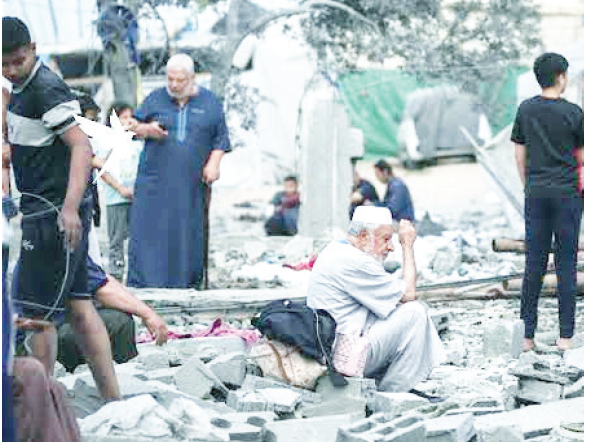
This resonance is particularly strong in India, which houses the largest Shia population outside of Iran. The sight of thousands of mourners in Lucknow, Delhi and marching crowds in Kashmir underscores a cross-sectarian solidarity that transcends national borders. While the many westerners may view him as a figure of historical evil, the local reality on the ground in South Asia and the Middle East is one of perceived injustice. For many, his death is not a moment of liberation but one of the "worst days of their lives," uniting disparate groups in a singular voice of defiance.
Ultimately, the strategy of decapitation—removing a leader to collapse a system—fails when that system is built on a foundation of faith and the glorification of martyrdom. Instead of triggering a collapse in Tehran, the assassination has fostered a temporary but potent unity. By turning a religio-political ruler into a sacred martyr, the West has ensured that Ayatollah Ali Khamenei’s influence will likely outlast his physical life, woven into the same historical tapestry that has sustained the Shia identity for past fourteen centuries.




[[comment.comment_text]]