Lashkar's chief Hafiz right hand Qaiser killed in Karachi


Karanchi, (Agencies) In a significant blow to the Lashkar-e-Taiba (LeT) terrorist organization, Mufti Qaiser, often referred to as the right-hand man of LeT's chief Hafiz Saeed, was killed in Karachi. The operation took place as a part of ongoing efforts by Pakistani security forces to combat terrorism and extremism in the region.

Mufti Qaiser, a prominent figure within LeT, played a crucial role in the organization's activities and was closely associated with Hafiz Saeed, who has been linked to numerous acts of terrorism, including the 26/11 Mumbai attacks.

The operation that led to Qaiser's demise occurred in Karachi, a city that has witnessed its share of violence and terrorism-related incidents in the past. Security forces acted swiftly and decisively to neutralize the threat posed by Qaiser, who was considered a high-value target.

While Mufti Qaiser's death marks a significant success in the fight against terrorism, it also serves as a reminder of the challenges that persist in the region. Pakistani authorities remain committed to eradicating terrorist elements and maintaining stability and security.

The details surrounding the operation and the circumstances of Qaiser's death are expected to be thoroughly investigated, shedding light on potential leads and connections within the extremist network. The operation underscores the determination of Pakistani security forces to eliminate individuals who pose a threat to peace and security in the region.

This development will likely have a substantial impact on the LeT's operations and hierarchy, as Qaiser's role was pivotal within the organization. Authorities will continue their efforts to dismantle terrorist networks and ensure the safety and security of the region's residents.

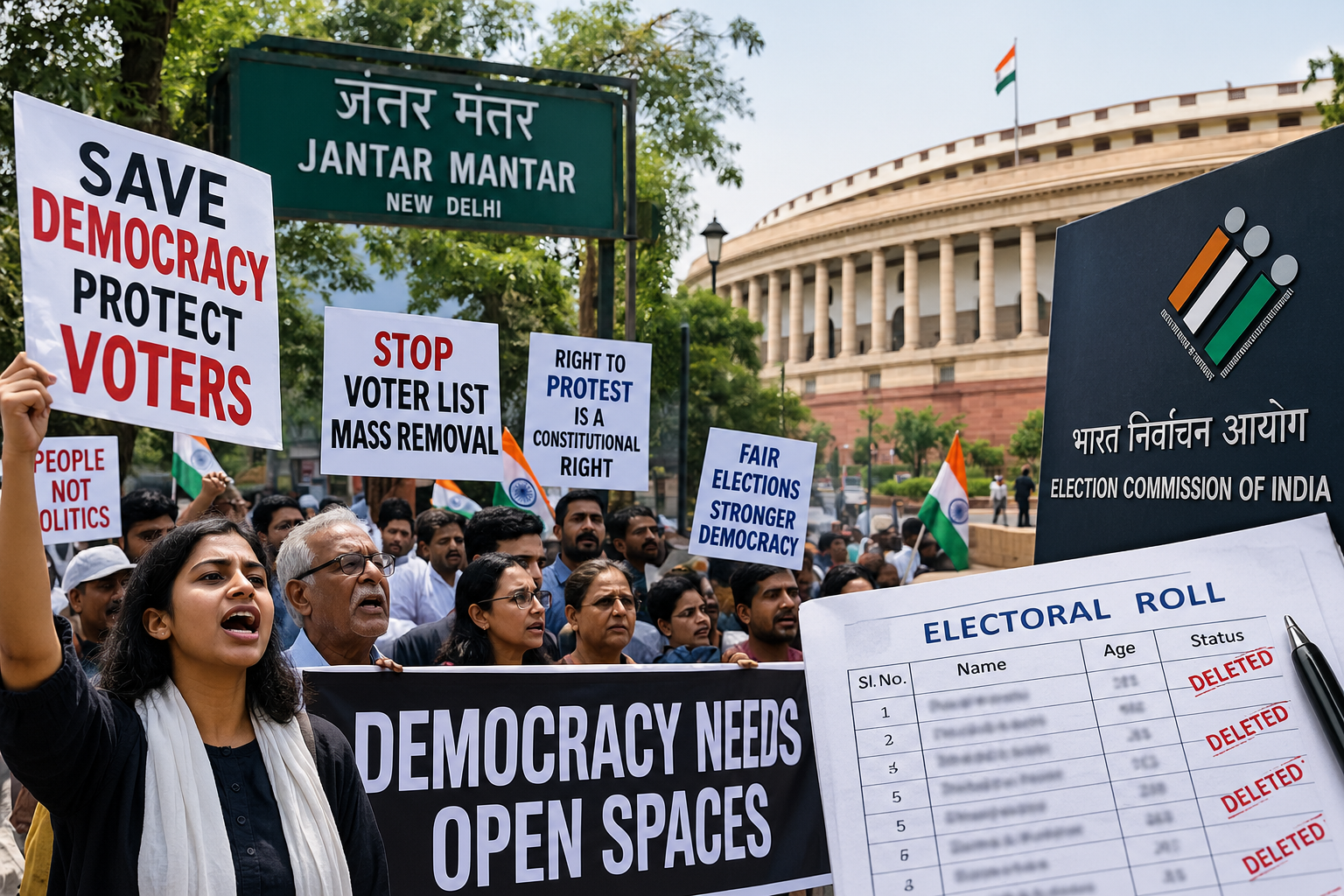
Jantar Mantar Phenomenon: More Than a Gen Z Outburst

There must be something more behind this movement—something that has enabled it to surpass, in reach, intensity and staying power, many of the mass movements witnessed in independent India

Prof. Pradeep Mathur   |  19 hours ago

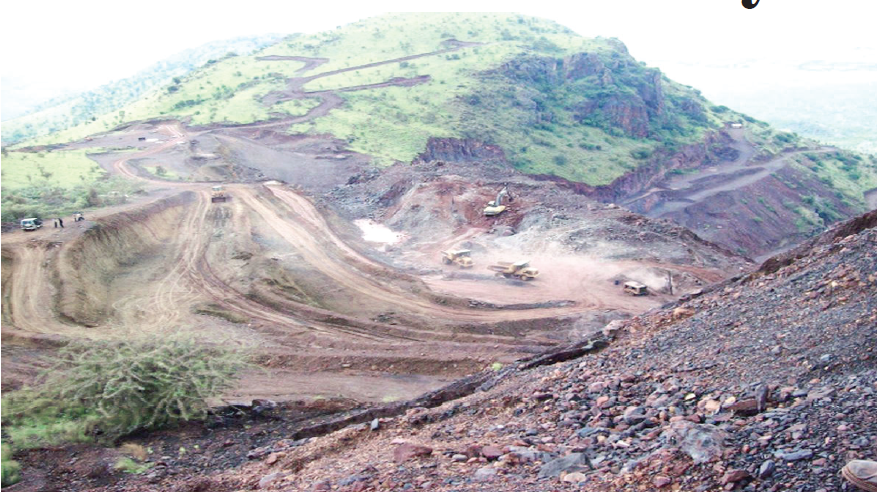
Ballari’s Mining Disaster: From Institutional Capture to Real-Time Accountability

The environmental consequences extended beyond the immediate mining sites. Heavy truck traffic damaged roads, increased dust pollution and created safety hazards. Excavation and the removal of vegetation exposed fragile hillsides to erosion

K. N. Laxminarayan   |  19 hours ago

Erasing Voters, Banning Streets: The Growing Crisis of Institutional Trust

India faces growing concerns over voter roll revisions, Jantar Mantar protest restrictions and the Election Commission’s credibility. Can dialogue restore democratic trust?

DINESH DUBEY   |  19 hours ago

The Cost of Caution: How Red-Tape Witch Hunts Looms of Ladakh and Kill Bold Governance

Looms of Ladakh empowered hundreds of women artisans through sustainable livelihoods and local ownership. Can bureaucratic red tape undermine grassroots innovation?

VK Bahuguna   |  1 day, 14 hours ago

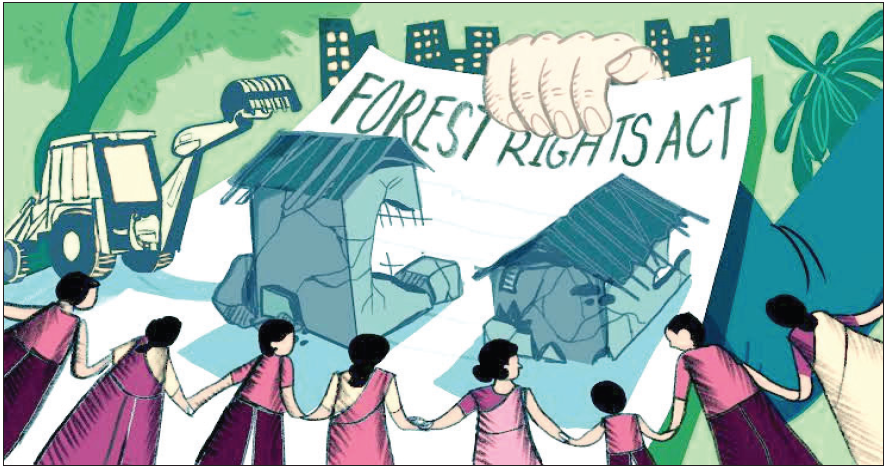
Ancestral Rights to Forests, Yet Justice Remains Elusive

The second regional review conference on the implementation of the Forest Rights Act, held in Kolkata on October 9, 2026, brought this question back into focus

Kumar Krishnan   |  1 day, 15 hours ago

Karnataka’s Forest Governance Crisis: The Anatomy of Policy Paralysis

Karnataka’s experience reveals a striking paradox. Long-term leases and administrative concessions have continued to be considered for an economically unviable public-sector paper mill, while an advanced public-sector mining operation was terminated under environmental and judicial pressure

K. N. Laxminarayan   |  1 day, 15 hours ago

Comments

YOU MIGHT ALSO LIKE

View More

By Prof. Pradeep Mathur   |   19 hours ago
Jantar Mantar Phenomenon: More Than a Gen Z Outburst
By Kumar Krishnan   |   1 day, 15 hours ago
Ancestral Rights to Forests, Yet Justice Remains Elusive
By Khalid Rasool   |   2 days, 8 hours ago
Gaza: The Question Mark Over the “Civilised” World