Ebrahim Raisi elected Iran's new president
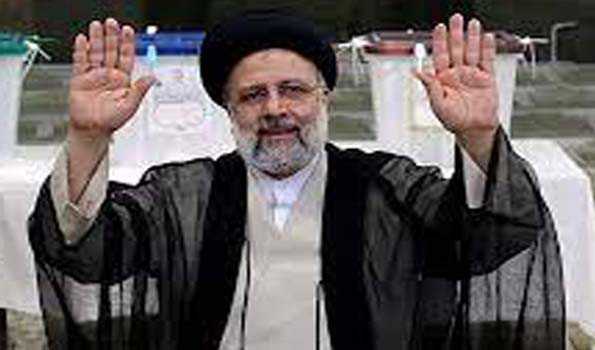

Tehran, Iran elected Seyed Ebrahim Raisi as its new president in Friday's presidential election, with state-run media reporting that his main opponent has conceded his defeat on Saturday.

Raisi, the judiciary chief, was backed by Supreme Leader Ayatollah Ali Khamenei. He will replace Hassan Rouhani. Considered a conservative, he was ahead in opinion polls.

Former Central Bank Chief Abdolnasser Hemmati has congratulated Raisi, before an official announcement of results. Interior Ministry said 90 per cent of votes in 13th presidential elections had been counted in which initial counts suggest over 17,800,000 people voted for Raisi.

Raisi has promised to fight corruption and poverty. He has indicated that he would continue indirect talks with the United States on reviving a 2015 nuclear deal while making it clear he will call for sanctions against Iran to be lifted.

The deal struck by the Rouhani administration had a positive impact on the economy. But in 2018, then US President Donald Trump pulled out of the agreement and slapped sanctions which caused rising prices, plunged currency and high unemployment in Iran.

Outgoing president Rouhani, meanwhile, wished success to the president-elect. He praised Iranian voters for their “epic” presence in Friday’s presidential election, saying the turnout has disappointed enemies and ill-wishers.

(Agencies)

 

Jantar Mantar Phenomenon: More Than a Gen Z Outburst

There must be something more behind this movement—something that has enabled it to surpass, in reach, intensity and staying power, many of the mass movements witnessed in independent India

Prof. Pradeep Mathur   |  19 hours ago

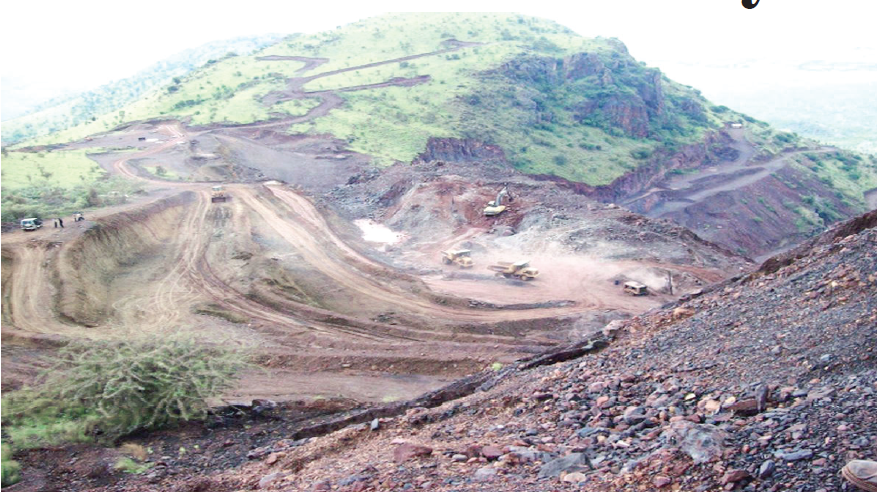
Ballari’s Mining Disaster: From Institutional Capture to Real-Time Accountability

The environmental consequences extended beyond the immediate mining sites. Heavy truck traffic damaged roads, increased dust pollution and created safety hazards. Excavation and the removal of vegetation exposed fragile hillsides to erosion

K. N. Laxminarayan   |  19 hours ago

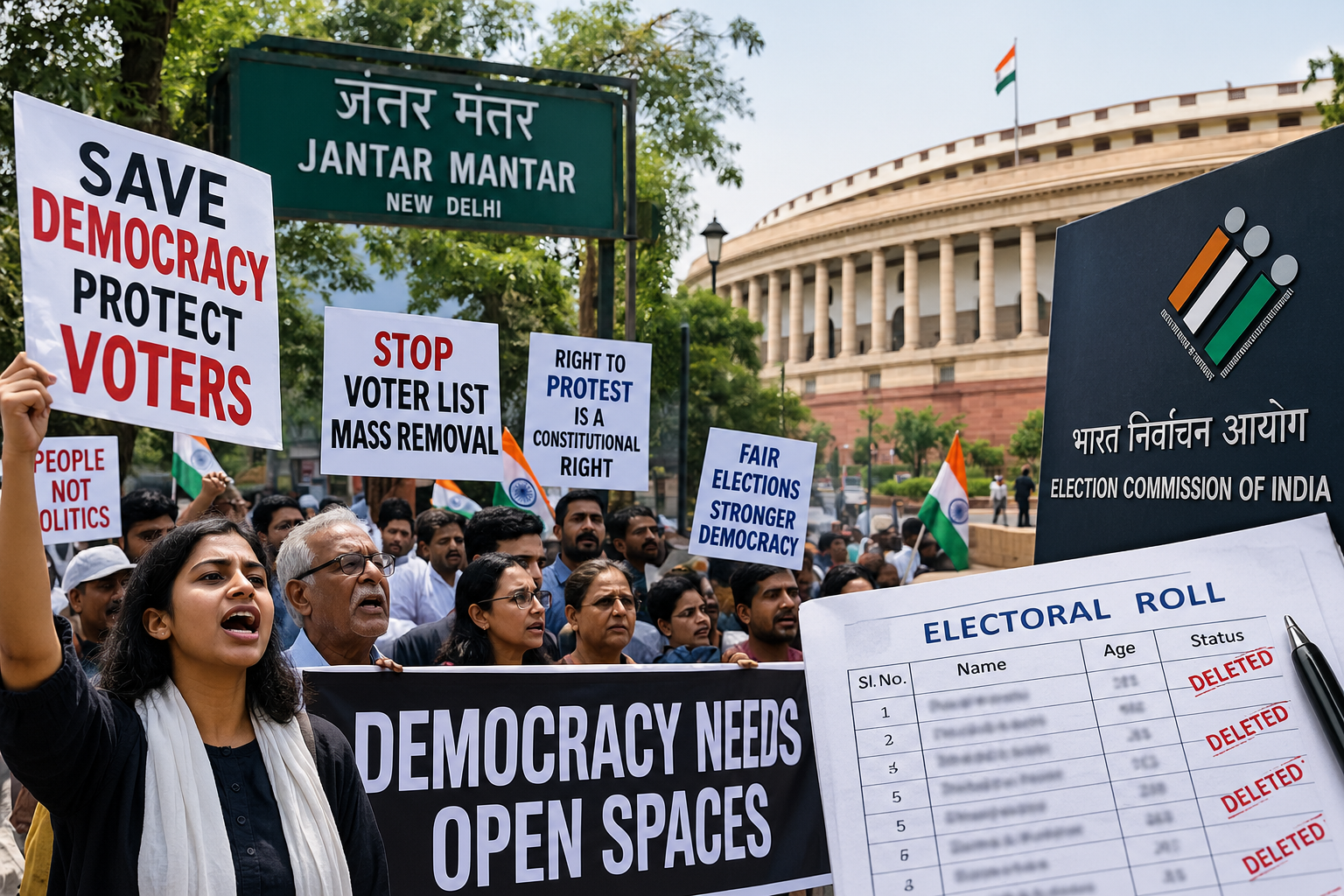
Erasing Voters, Banning Streets: The Growing Crisis of Institutional Trust

India faces growing concerns over voter roll revisions, Jantar Mantar protest restrictions and the Election Commission’s credibility. Can dialogue restore democratic trust?

DINESH DUBEY   |  19 hours ago

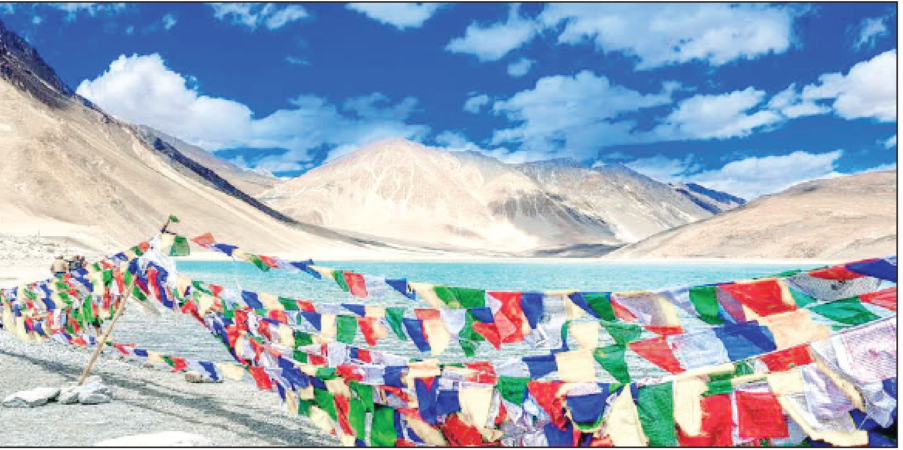
The Cost of Caution: How Red-Tape Witch Hunts Looms of Ladakh and Kill Bold Governance

Looms of Ladakh empowered hundreds of women artisans through sustainable livelihoods and local ownership. Can bureaucratic red tape undermine grassroots innovation?

VK Bahuguna   |  1 day, 14 hours ago

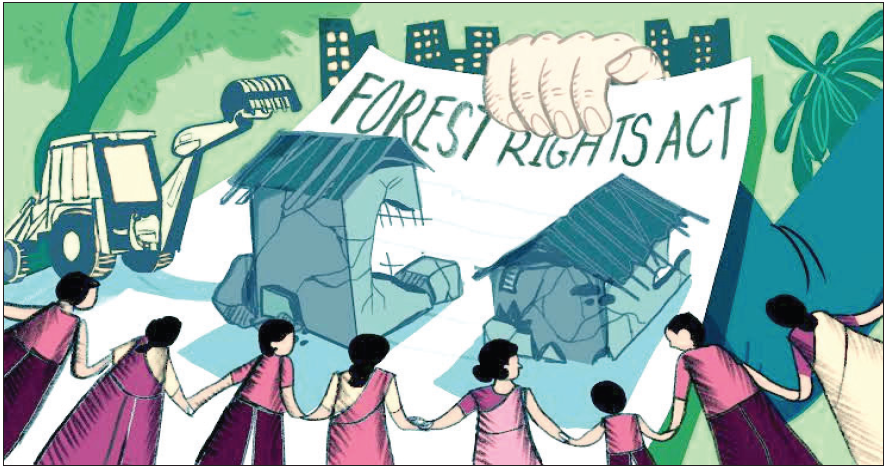
Ancestral Rights to Forests, Yet Justice Remains Elusive

The second regional review conference on the implementation of the Forest Rights Act, held in Kolkata on October 9, 2026, brought this question back into focus

Kumar Krishnan   |  1 day, 15 hours ago

Karnataka’s Forest Governance Crisis: The Anatomy of Policy Paralysis

Karnataka’s experience reveals a striking paradox. Long-term leases and administrative concessions have continued to be considered for an economically unviable public-sector paper mill, while an advanced public-sector mining operation was terminated under environmental and judicial pressure

K. N. Laxminarayan   |  1 day, 15 hours ago

Comments

YOU MIGHT ALSO LIKE

View More

By Prof. Pradeep Mathur   |   19 hours ago
Jantar Mantar Phenomenon: More Than a Gen Z Outburst
By Kumar Krishnan   |   1 day, 15 hours ago
Ancestral Rights to Forests, Yet Justice Remains Elusive
By Khalid Rasool   |   2 days, 8 hours ago
Gaza: The Question Mark Over the “Civilised” World