Betla National Park: A Haven of Tranquility and Wildlife in Palamu Division

 2 years, 4 months ago

Sanjay Kumar Pandey : Nestled away from the urban hustle, Betla National Park in Jharkhand’s Palamu Division is a mesmerizing expanse of vibrant, blooming flowers and serene wildlife. This sanctuary, which attracts tourists, ministers, and officials alike, is an ideal Tiger Project located 25 km from Medininagar, the district headquarters, and approximately 180 km from Ranchi, the nearest airport.

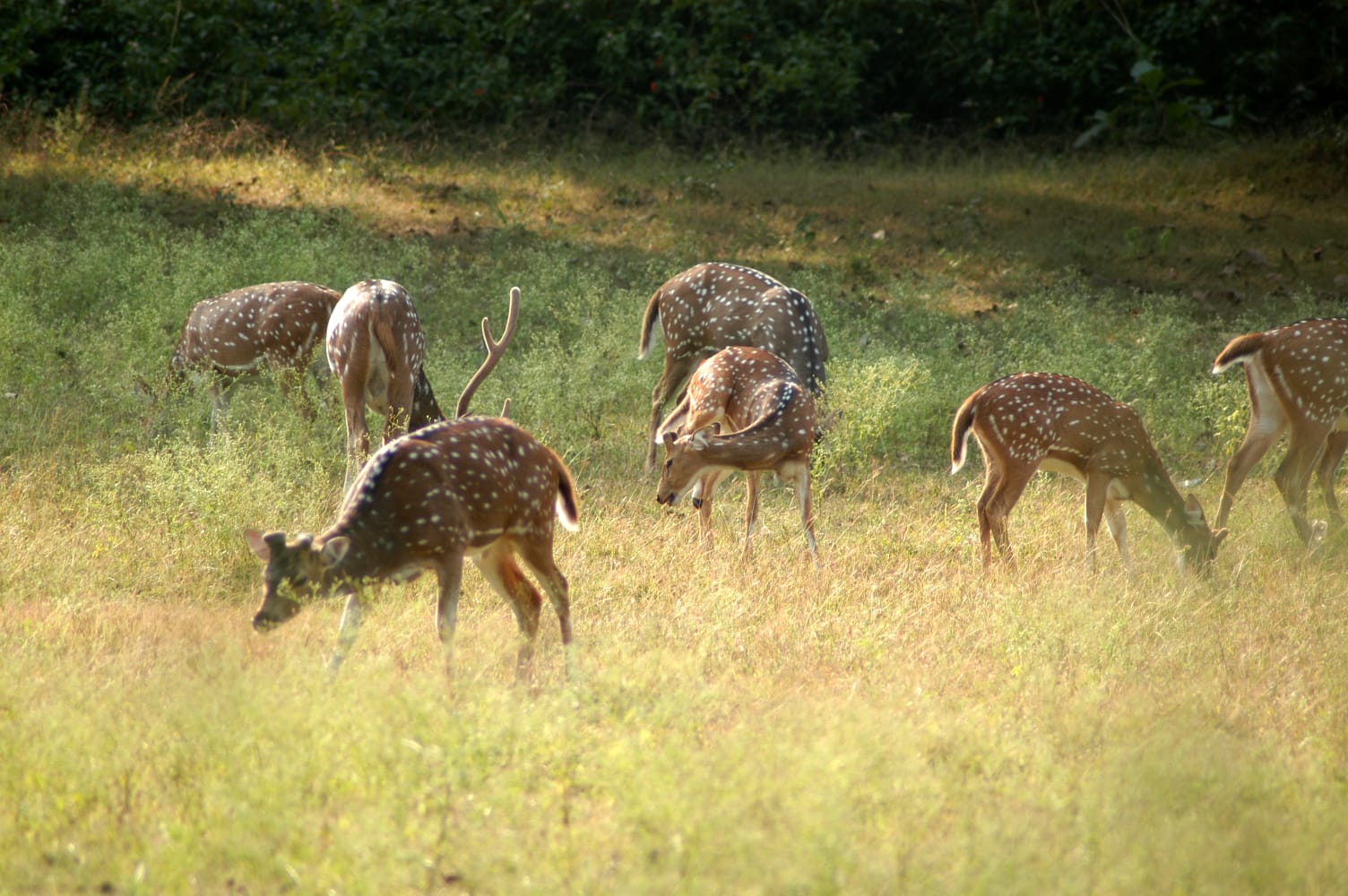
Spanning 35 square kilometers, Betla National Park offers an enchanting world where lush foliage and a gentle breeze create a unique environment. Established in 1974 under India's Project Tiger initiative, the park provides a refuge for a diverse array of wildlife. Our journey through the park began along the banks of the Auranga River and extended to the Southern Koel River. The picturesque Kamaldah Lake, built by the Chero kings, is a highlight where we watched elephants play in the water from a treehouse veranda, their trumpeting reverberating through the jungle. As night falls, the forest comes alive with the activity of various animals. Enthusiastic tourists find an ideal setting for picnics and painting. The park, supported by seasonal rivers, features a stunning array of sal and deciduous trees and expansive bamboo groves. The sunlight filtering through the foliage illuminates the vast grasslands where herds of deer, sambar, and koiya graze fearlessly. Experienced guides informed us that during the summer, many animals, including tigers, elephants, bison, black ivory birds, and the barasingha deer, migrate to the nearby forests of Uttar Pradesh. Though the park is open to tourists year-round, the best time to visit is from September to April. The core area of the reserve, spanning 213 square kilometers, strictly prohibits any extraction of forest produce and human interference. Lucky visitors might spot tigers at the hideouts near the waterholes.
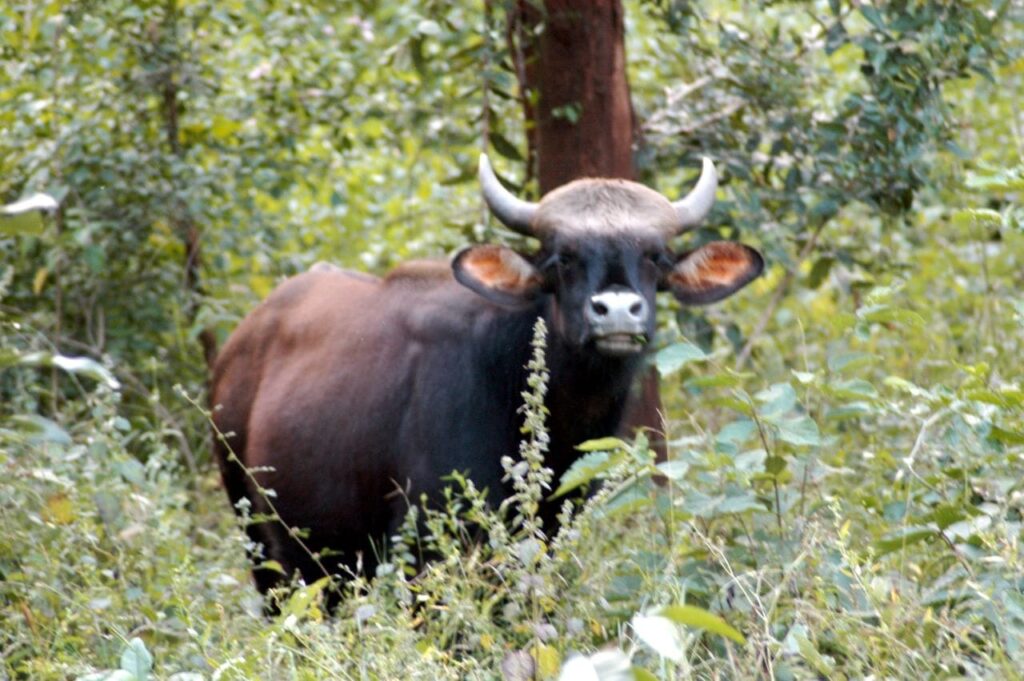
Betla National Park is home to tigers, leopards, elephants, buffaloes, chitals, sambars, wild boars, nilgai, jackals, wolves, foxes, langurs, macaques, wild dogs, bears, and rabbits. The park also boasts around 150 bird species and 15 snake species. The sight of grazing bison pairs is common in the park's interior. Several initiatives have been underway to enhance the park's allure for a long time. The chital breeding season continues throughout the year, with the entire forest fragrant with blooming sal flowers in April and May. The nighttime symphony of crickets adds to the visitors' delight. The forest department provides a jeep for park tours, available at a fixed rate. Just outside Betla Park, a museum displays skeletal structures, a giant elephant skull, and various weapons. Snakes are also prominently featured. Historically, the Betla forest area was under the control of the Chero kings during the medieval period. Along the Auranga River lies the historic Medinirai Fort, once a symbol of grandeur but now a relic telling tales of the past. To counter persistent Mughal invasions, a strong palace was constructed on a high hill by the river. After touring Betla Sanctuary, visitors often stop at this fort, located 5 km from the park. It's said that during an attack, the British forces failed to breach the fort's robust walls. Entry to the fort is through three large gates known as Singh Dwar. Inside, the ruins of the royal court, council hall, residential quarters, temple, royal palace, queen's quarters, and a stepwell evoke the grandeur of a bygone era










[[comment.comment_text]]