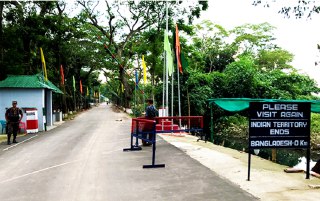
Bangladesh extends land border closure for passengers till June 30
EW•NN
5 years, 3 months ago
The government of Bangladesh has extended the closure of the land border with India for passenger travel till June 30 to contain the spread of the Corona virus in the country. However, the border will remain open for the movement of cargo between the two countries. Confirming the decision to extend the restriction on movement of passengers between the two countries, an official of the Ministry of Foreign Affairs (MoFA) told Prasar Bharti special correspondent in Dhaka that the formal notification of the closure is likely to be issued soon by the Cabinet division. The land borders between Bangladesh and India have remained closed since April 26. The latest extension of the closure of the border is ending on Monday, June 14 which has now been further extended till June 30. Bangladesh has been witnessing a rise in COVID 19 infection cases and deaths over the last few weeks. The border districts have shown a much higher rate raising fears of the spread of the virus in the country.
There must be something more behind this movement—something that has enabled it to surpass, in reach, intensity and staying power, many of the mass movements witnessed in independent India
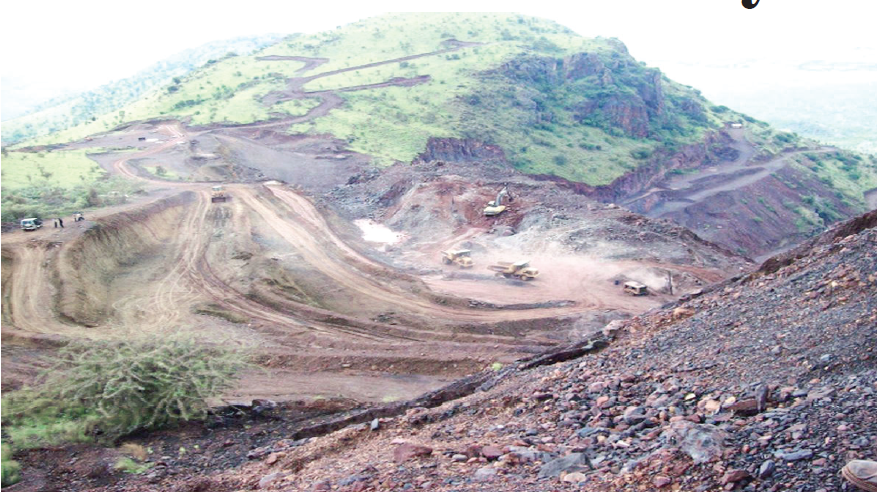
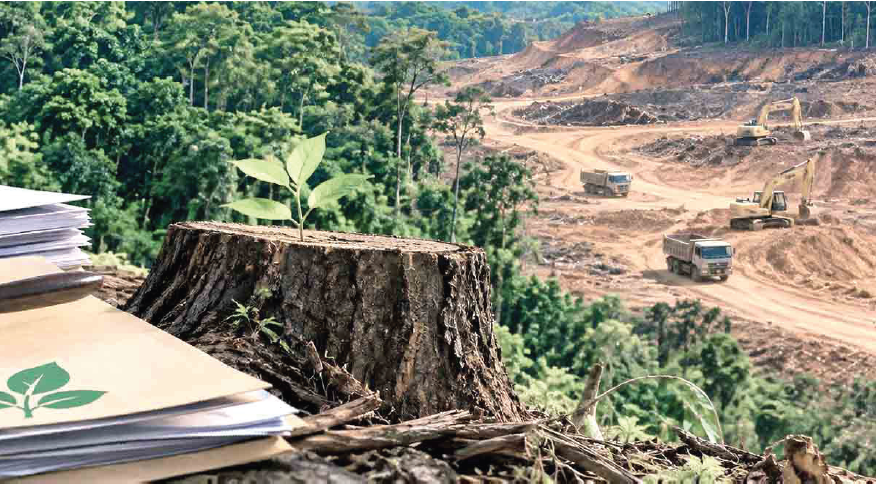
The environmental consequences extended beyond the immediate mining sites. Heavy truck traffic damaged roads, increased dust pollution and created safety hazards. Excavation and the removal of vegetation exposed fragile hillsides to erosion
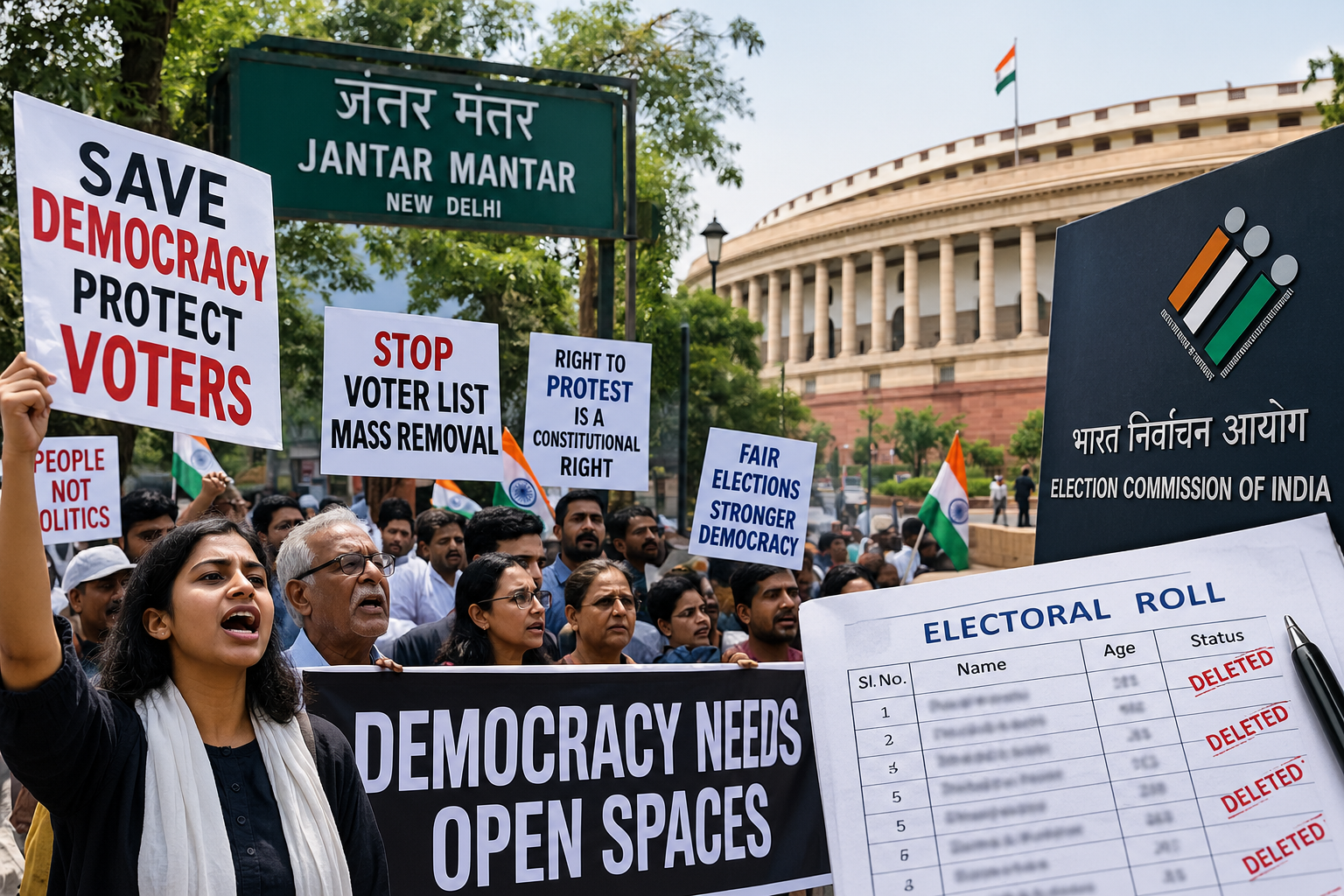
India faces growing concerns over voter roll revisions, Jantar Mantar protest restrictions and the Election Commission’s credibility. Can dialogue restore democratic trust?
Looms of Ladakh empowered hundreds of women artisans through sustainable livelihoods and local ownership. Can bureaucratic red tape undermine grassroots innovation?
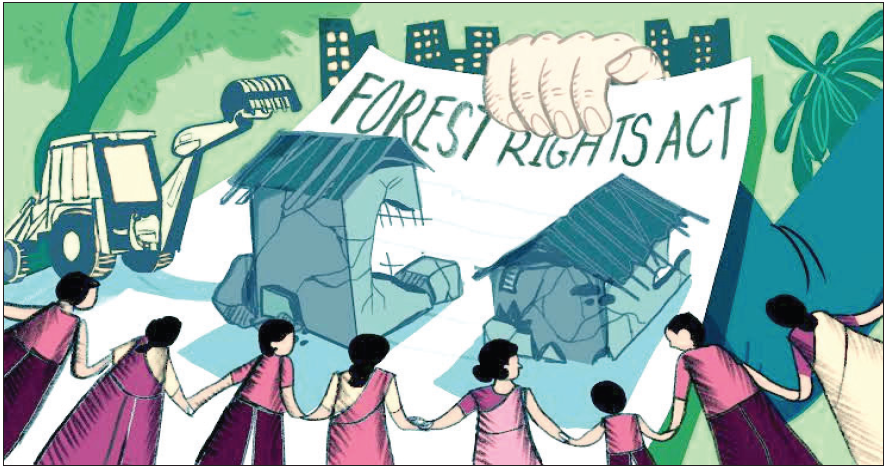
The second regional review conference on the implementation of the Forest Rights Act, held in Kolkata on October 9, 2026, brought this question back into focus
Karnataka’s experience reveals a striking paradox. Long-term leases and administrative concessions have continued to be considered for an economically unviable public-sector paper mill, while an advanced public-sector mining operation was terminated under environmental and judicial pressure

 5 years, 3 months ago







[[comment.comment_text]]