Silent Revolution of Notopedia: Democratizing Education in a Market-Driven World
 4 months, 4 weeks ago
In a modern era dominated by the market economy, where profit and loss often dictate the direction of innovation, it is rare to find a venture that prioritizes social impact over commercial gain. Education, a sector that should ideally be a bridge to equality, has increasingly fallen under the control of high-priced commercial interests. Yet, a few visionary teams are choosing to think differently, challenging the status quo to ensure that learning remains a fundamental right rather than a luxury.
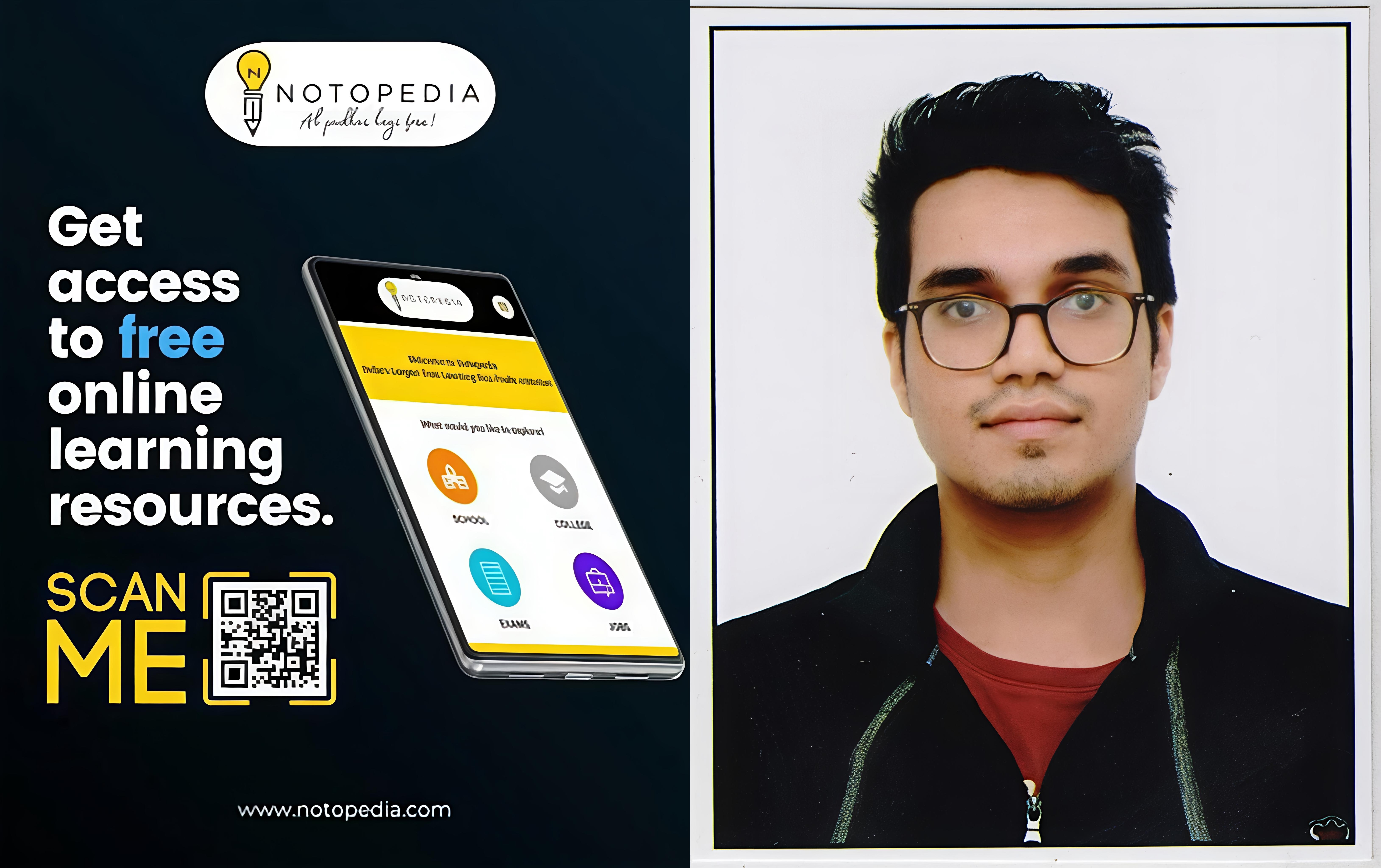
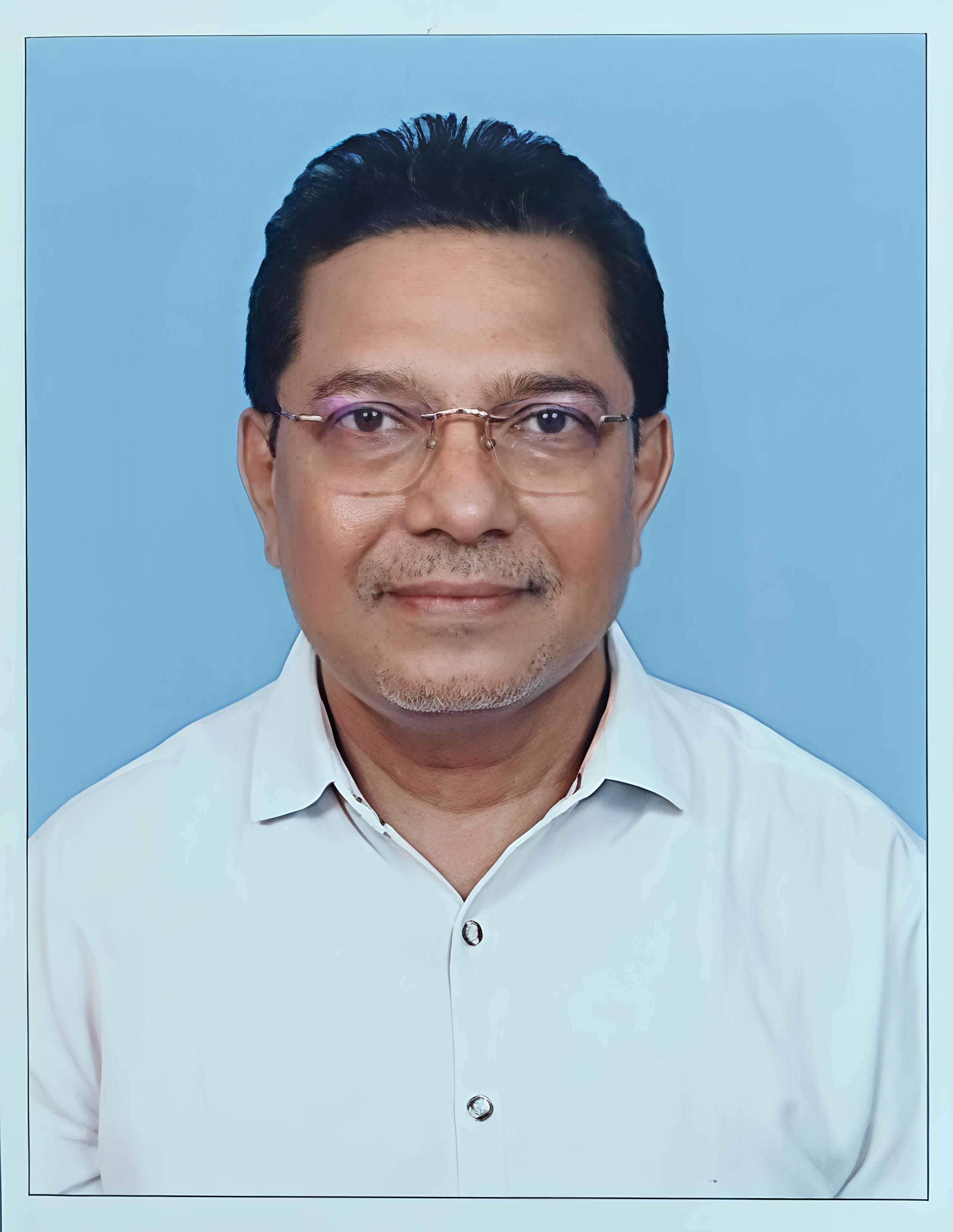
Mr. Amand Shukla, a young entrepreneur, stands at the forefront of this shift with the creation of Notopedia. This non-profit Edu-Tech platform is committed to a singular, transformative mission: providing completely free educational resources for all. By removing the financial barriers that often gatekeep quality information, Notopedia acts as a digital sanctuary for those who seek knowledge but are hindered by the rising costs of traditional and online coaching.
The structural impact of poverty in India has created a visible divide between the "haves" and the "have-nots," particularly in the field of learning. For many students, financial constraints are not just a hurdle but a dead end that prevents them from reaching their academic potential. In this stark landscape, Notopedia emerges as a fresh breeze, dedicated to altering the educational atmosphere and fostering an environment where merit, not money, defines a student's trajectory.
The core philosophy behind the platform is rooted in the concept of equal opportunity. Founder Amand Shukla emphasizes that the goal was born from a desire to ensure every child can fulfill their dreams, regardless of their socio-economic background. By focusing on the maximum potential of the individual, Notopedia seeks to unlock the inherent talent within students who might otherwise be sidelined by the high cost of education.
One of the most striking features of Notopedia is its firm stance against commercialization. In a world of "sale-purchase" dynamics, the platform proudly declares that it does not sell education; instead, it unlocks it. This noble approach has garnered praise from seasoned academics like Dr. C. D. Suntha, former Director of Higher Education in Uttarakhand, who views the platform's sense of social responsibility as a powerful equalizer against expensive coaching obstacles.
The platform’s utility is broad, addressing several critical educational concerns under one digital roof. Its major focus areas include career guidance, school board curriculum, competitive examinations, and higher education. By centralizing these resources,
Notopedia provides a comprehensive roadmap for students at various stages of their academic journey, ensuring they have the tools necessary to navigate complex systems.
Amand Shukla elaborates that the platform covers an extensive selection of school boards, including national bodies like CBSE and ICSE, as well as various regional boards such as those in Uttar Pradesh and Madhya Pradesh. This wide-reaching coverage ensures that students from diverse geographical locations find content relevant to their specific syllabus, further bridging the gap between urban and rural educational standards.
Beyond school boards,
Notopedia offers one of the most extensive collections of preparation resources for competitive examinations available on the web. This includes materials for college entrance exams and vital government examinations for sectors such as Banking, Railways, UPSC, Defence Services, and the SSC. For many aspirants, these exams are the only gateway to stable employment, making free access to preparation materials life-changing.
The platform’s impact is particularly felt in rural areas, a point noted by Swami Yatishwaranand ji. He highlights that Notopedia’s "knowledge empowerment" model, which combines free learning with job-related information in one place, is a significant boon for students in villages. This integration of education and employment data helps rural youth transition from learning to earning without the burden of registration fees or hidden charges.
Academic leaders like Professor Sanjeev Kumar, Vice-Chancellor of Maharaja Suheldev University, observe that Notopedia maintains high standards that make it a viable alternative for talented but under-resourced students.
Similarly, Bhawana Pathak emphasizes that the platform helps "turn potential into performance," though she notes that the next great challenge is ensuring that awareness of this resource reaches the most remote corners of the country.
Strategic outreach is essential for the platform's future, as suggested by Editor-in-Chief Gyan Prakash Mishra. He recommends prioritizing rural educational centers to ensure that those most deprived of facilities are the first to benefit.
By building a bridge between dreams and reality, Notopedia enables deserving students to rise above economic barriers and achieve the aspirations that were once considered out of reach.
Most importantly, its accessibility is completely free, making it an inclusive and highly valuable educational resource for people across all regions and backgrounds. It ensures that quality learning reaches every corner without limitation.
Ms. Ankita Mishra, who recently interviewed one of its distinguished promoters, categorically opined:
“The ‘free-for-all’ element is extremely important, especially for students from rural backgrounds where money is still a major issue. “Undoubtedly, Notopedia is emerging as one of the finest free educational platforms in India”,
Ultimately, Notopedia embodies the spirit of Nelson Mandela’s famous words: "Education is the most powerful weapon which you can use to change the world." By maintaining a "free for all" and "no paywall" concept, as praised by Prof. Vivek Singh, the platform is not just an archive of information—it is a silent revolution. It provides the wings for countless minds to soar, proving that when knowledge is shared freely, the entire world stands to gain.
(Author, a former Pro-Vice Chancellor of Tribhuwan University, Kathmandu, is a well-recognised educationist. He has been a founding member of Brijlal Kedia Hindu University, Birganj, Nepal.)





[[comment.comment_text]]