Uttarakhand Government assured Industry-Friendly Policies to Boost State Economy

 2 years, 10 months ago
Namo promised for third largest economy of the world by his third term in Uttarakhand investment summit
Amit Pandey, Dehradun
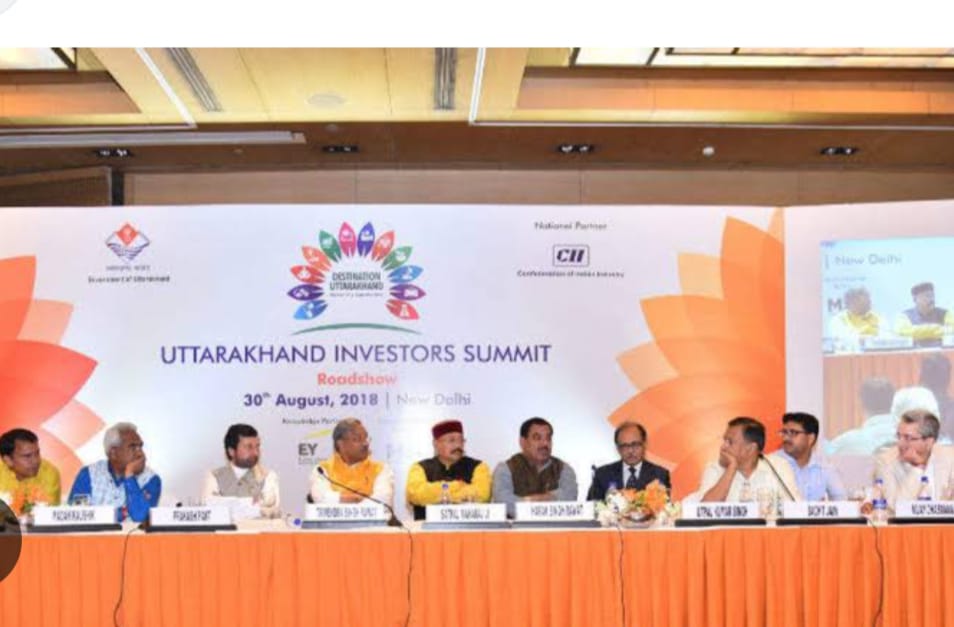
The Uttarakhand Government has announced its commitment to developing a more prosperous and ecologically sustainable state through its recently announced industry-friendly policies. During the state summit, which saw deep discussions on the vibrant sectors of Uttarakhand, the government emphasized its focus on the sustainable development of forest and biodiversity, aviation, and tourism.
With maximum investment coming in the sectors of agriculture, horticulture, and startups, the government is also encouraging Pahari youth to become entrepreneurs and create their own employment opportunities.
As the state has enormous potential for wellness centers, the Prime Minister advised farmers to make Timru Itra, a high-quality perfume, and export it to European countries where it commands an excellent price. This would not only increase the income of farmers but also boost the state’s export revenue.
Uttarakhand’s Chief Minister, Pushkar Singh Dhami, assured all investors of his government’s unwavering support, and announced plans to make such summits a bi-annual event, with the aim of solving the problems of unemployment and economic disability.
“Uttarakhand has tremendous potential for becoming the most developed state in India,” said the Chief Minister. “Our state is blessed with natural beauty, biodiversity, and ecological balance. We are keen to develop it further and provide every youth with the opportunity to become entrepreneurs.”
The Chief Minister gifted Timru Itra and House of Himalayas items to the Honorable Home Minister, Amit Shah, who was the guest of honor at the conference.
With its innovative policies and eco-friendly vision, the state is poised to attract substantial investments that will transform it into one of India’s most prosperous and sustainable states.











[[comment.comment_text]]