Ensuring respectable livelihood for every woman

 5 years, 3 months ago
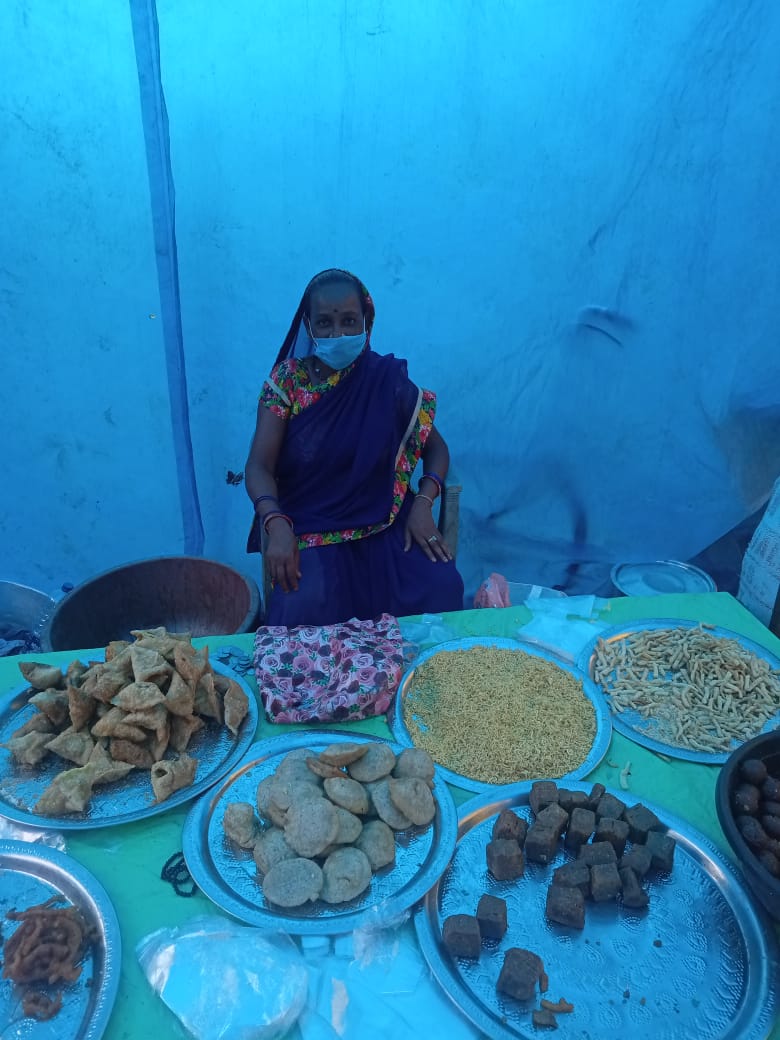
Ranchi : Phoolo- Jhano Ashirwad Abhiyan, an aspirational scheme rolled out by the Chief Minister Mr Hemant Soren is now proving a lifesaver for the marginalized section of the society. Women, who were involved in selling Hadiya-Daru are now leading a respectful life and becoming entrepreneurs.
The story of Somani Devi of kombakera village of Kolebira block is a story of transformation. In the same market, where Somani used to sell liquor and had to face adversities, now runs her hotel. She leads a respectful life. This change was possible due to Phoolo-Jhano Ashirwad Abhiyan. Under this scheme, women involved in liquor selling are connected with JSLPS and are provided with an interest-free loan to start a business of their own.
After counselling these women, JSLPS helps them in starting the business. Within a year of the rollout of the scheme, more than 13,356 women have benefitted from the scheme and received a loan to start a business of their own. More than 15,456 women across the state were marked by JSLPS, who was involved in liquor selling. Within a year, 90% of these women have been counselled and provided an interest-free loan to be self-dependent and lead a respectful life.
Under the Phoolo-Jhano Ashirwad Abhiyan, after conducting a detailed survey of the rural women associated with the sale of Hadiya-Daru, counselling of these women is done by Sakhi Mandal. Counselling is an integral part of this scheme so that the ill can be eradicated from the root. These women are being linked to alternative livelihood means like agro-based livelihood, animal husbandry, forest produce collection, Sericulture, poultry, forest produce related work and other micro-enterprises. JSLPS has made a provision of an interest-free loan of Rs 10,000, for the livelihood promotion of the beneficiary under the scheme, which is interest-free for one year. Whereas under Phoolo Jhano Ashirwad Abhiyan, women can take more amount in the form of loan from Sakhi Mandal.
“Phoolo Jhano Ashirwad Scheme was started on the instructions of the Chief Minister. Women involved in liquor selling are connected with Sakhi Mandal Groups. Here, they receive thorough counselling about the ill effects of being involved in the sale of liquor. There is a provision of an interest-free loan, which ensures that these women are making good income by starting their ventures for their livelihood.
(SANJAY PANDEY)









[[comment.comment_text]]