BJP Opens the Door for Arjun; TMC Jolted by Saffron Maneuver

 2 years, 7 months ago
Prabhat Kunwar
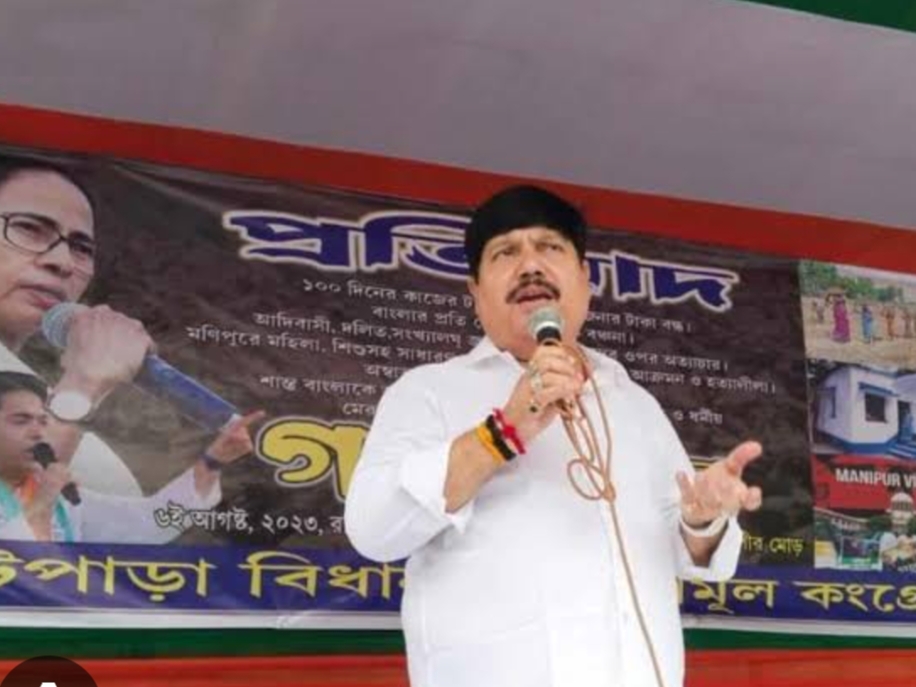
Kolkata: In a surprising turn of events, Mamata regretted Arjun's candidature but Bengal leader of Opposition Subhendu Adhikari stated that the door was open for him. The Bharatiya Janata Party (BJP) has managed to lure a prominent Trinamool Congress (TMC) leader, Arjun, to join its ranks. This unexpected development has sent shockwaves through West Bengal's political environment, as discussions surrounding the implications of this move abound.
Before Arjun's defection, the TMC had enjoyed a significant majority in the state, largely due to its charismatic leader, Mamata Banerjee. The TMC's stronghold in West Bengal posed a challenge to the BJP's desire to expand its influence beyond its traditional strongholds. However, with Arjun now joining forces with the BJP, a new dynamic has emerged that could potentially tilt the scales of power in the region.
Arjun, known for his strong grassroots support and influential role within the TMC, brings considerable political capital to the BJP. His defection has not only reinforced the ideological shift seen in West Bengal's political landscape but has also raised questions about the TMC's ability to retain its key leaders amidst the BJP's growing appeal.
Observers suggest that the BJP's ability to attract Arjun can be attributed to the party's organizational network and proactive efforts to expand its presence in West Bengal. This successful manoeuvre is seen as a testament to the BJP's determination to secure a foothold in the state, and a potential eye-opener for Mamata Banerjee and the TMC.
The impact of Arjun's defection has quickly rippled through the TMC, triggering a series of apprehensions within the party. The move is expected to strain the already precarious balance within the TMC, with concerns mounting over further potential defections. TMC leaders, hand-wringing over the possible erosion of their support base, now face the daunting task of quelling any growing disaffection among their ranks.
Furthermore, Arjun's decision to align himself with the BJP has not only exposed the TMC's vulnerabilities but also highlighted the party's inability to address the concerns and aspirations of certain sections of West Bengal's population. The BJP's knack for tapping into such sentiments has played a pivotal role in its growing appeal, leading to the erosion of the TMC's once-unassailable position in the state.
The BJP, buoyed by Arjun's defection, has declared this move as a sign of mounting discontent within the TMC itself. They believe that it marks a turning point for West Bengal's politics and portends a potential shift in power dynamics within the state. The party anticipates that Arjun's influence within his constituencies will attract more followers, thereby further denting the TMC's stronghold.
In the coming weeks, all eyes will be on how the TMC handles this jolt, and whether Mamata Banerjee can stem the tide of defections within her party. The BJP, on the other hand, will aim to capitalize on Arjun's broad appeal to consolidate its power in West Bengal further.
As West Bengal braces itself for a turbulent period of political upheaval, the ramifications of Arjun's defection remain to be seen. Will the BJP's strategic move pave the way for a significant power shift in the state, or will the TMC rebound against the odds? Only time will reveal the answer to this suspenseful political tale.







[[comment.comment_text]]