Waste, Governance, and Survival

 5 months, 3 weeks ago
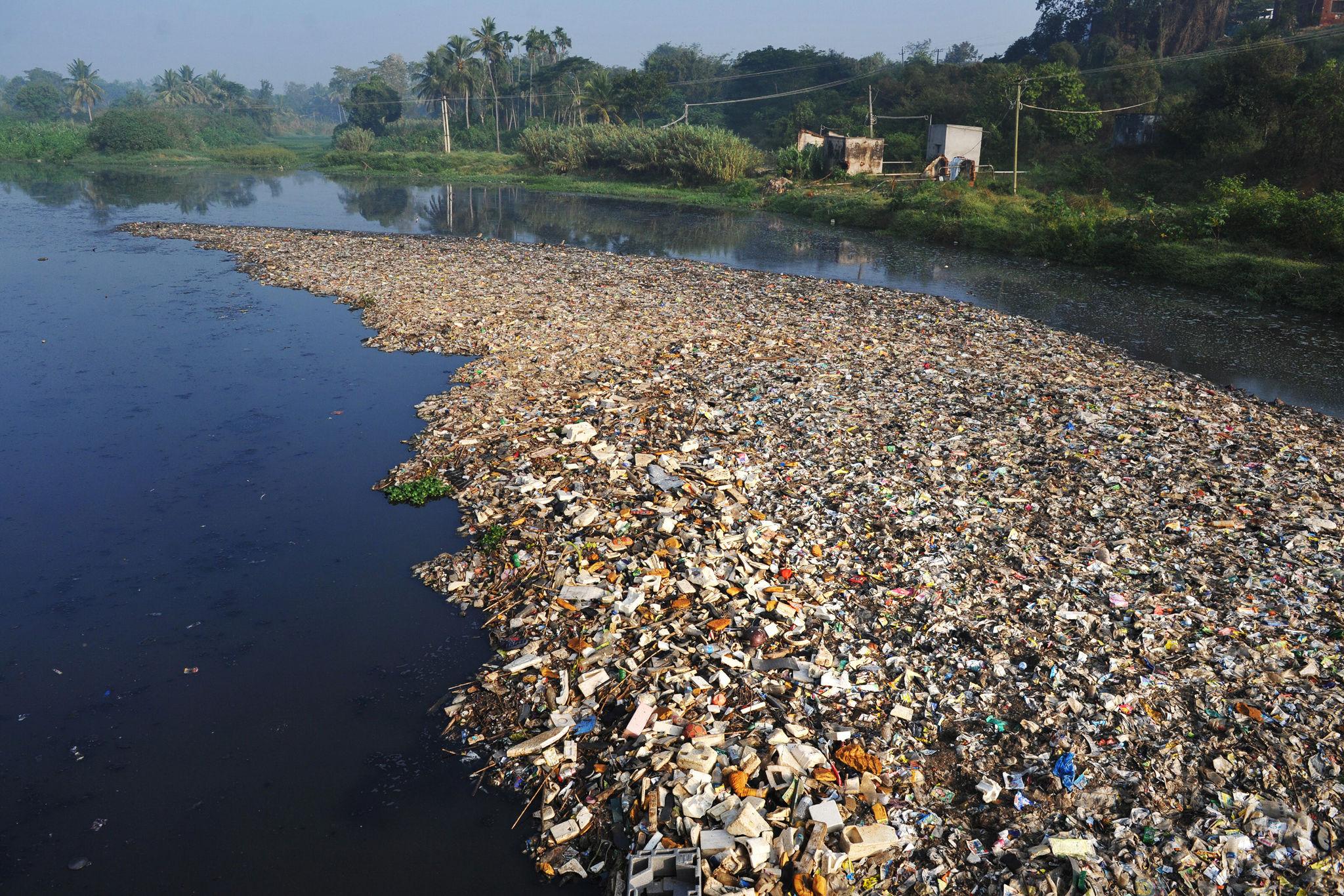
The scale and spread of waste have transformed what was once a municipal concern into a defining environmental and public-health challenge. Across continents, the accumulation of garbage is overwhelming ecosystems, straining urban infrastructure, and imposing hidden economic costs. The problem is not confined to landfills or city margins; it permeates air, water, and soil systems, steadily eroding ecological balance. From microplastics in oceans to toxic emissions from burning waste, the consequences are both visible and insidious.
Globally, municipal solid waste generation is estimated to exceed 2 billion tonnes annually, and projections suggest this figure could rise sharply over the next two decades due to population growth, urbanisation, and changing consumption patterns. Developing economies are at the centre of this surge, where rapid economic expansion is not always matched by investments in waste management systems. This imbalance creates a cycle in which waste accumulates faster than it can be processed, amplifying environmental degradation.
India stands at a critical intersection of this global trend. With nearly 18 percent of the world’s population, it generates around 62 million tonnes of municipal solid waste every year, accounting for roughly 12 percent of global waste. However, the challenge lies less in generation and more in management. Of this total, approximately 43 million tonnes are collected, leaving a significant portion unaccounted for. Only about 12 million tonnes are scientifically treated, while nearly 31 million tonnes are disposed of in landfills. The remaining waste often ends up in open spaces—roadsides, water bodies, agricultural fields, and forest areas—creating persistent environmental hazards.
Urban India contributes the majority of this waste, with per capita generation ranging from 0.3 to 0.6 kilograms per day in smaller towns to over 1 kilogram per day in large metropolitan areas. Cities such as Delhi, Mumbai, and Bengaluru generate thousands of tonnes of waste daily, placing immense pressure on municipal systems. Landfills in many urban centres have exceeded their designed capacity, effectively turning into uncontrolled dumpsites. These sites not only occupy valuable land but also emit methane—a greenhouse gas significantly more potent than carbon dioxide—contributing to climate change.
The composition of waste adds another layer of complexity. In India, nearly 50–60 percent of municipal waste is biodegradable, consisting of food scraps and organic matter. Around 20–30 percent is recyclable, including plastics, paper, metals, and glass. The remaining fraction includes sanitary and hazardous waste. This composition suggests that a large proportion of waste can be processed or recycled if properly segregated at the source. However, the lack of segregation remains one of the most critical bottlenecks in the system.
When waste is not segregated, its value diminishes and its environmental impact increases. Organic waste mixed with plastics and hazardous materials becomes difficult to process and often ends up in landfills. Similarly, recyclable materials lose their quality when contaminated, reducing their potential for reuse. This failure at the initial stage cascades through the entire waste management chain, leading to inefficiencies and higher costs.
The environmental consequences are severe. Open dumping allows waste to decompose anaerobically, producing methane and other harmful gases. Fires at landfill sites, often triggered by spontaneous combustion or human activity, release toxic fumes containing particulate matter, dioxins, and furans. These pollutants contribute to respiratory diseases, cardiovascular conditions, and even cancer. In many urban areas, waste burning is a significant contributor to air pollution, especially during winter months when atmospheric conditions trap pollutants close to the ground.
Water systems are equally affected. Leachate—a toxic liquid formed when water percolates through waste—seeps into the soil and contaminates groundwater. This poses serious risks in areas where groundwater is a primary source of drinking water. Rivers and lakes often become dumping grounds for untreated waste, leading to eutrophication, loss of aquatic biodiversity, and contamination of water supplies. Microplastics, which result from the breakdown of larger plastic items, have been found in marine organisms and even in human bodies, indicating the far-reaching impact of waste pollution.
The economic cost of poor waste management is substantial but often underestimated. It includes healthcare expenses due to pollution-related illnesses, loss of productivity, environmental remediation costs, and the opportunity cost of land used for dumping. At the same time, waste represents a missed economic opportunity. Proper recycling, composting, and energy recovery can generate employment, reduce resource extraction, and contribute to a circular economy.
Policy interventions in India have evolved over time, with the Solid Waste Management Rules, 2016 marking a significant step towards scientific waste handling. However, gaps in enforcement limited their impact. The updated Solid Waste Management Rules, 2026 aim to address these shortcomings through stricter provisions, clearer accountability, and a stronger emphasis on decentralisation and resource recovery.
A central element of the new framework is mandatory segregation of waste into four categories: wet, dry, sanitary, and hazardous. This classification is critical for ensuring that each type of waste is handled appropriately. Wet waste, which forms the bulk of municipal waste, can be composted or used for biogas generation. Biogas plants, particularly at community and institutional levels, offer a practical solution for converting organic waste into energy and fertiliser.
Dry waste is directed towards material recovery facilities, where it is sorted and sent for recycling. Plastics, which constitute a significant portion of dry waste, require specialised processing. While certain types of plastics can be recycled, others are converted into refuse-derived fuel (RDF) for use in industrial processes. Increasing the share of RDF usage in cement plants and power generation units not only reduces landfill burden but also substitutes fossil fuels.
Sanitary waste, including diapers and napkins, presents unique challenges due to its non-biodegradable nature and potential health risks. Specialised disposal mechanisms are required to prevent contamination and ensure safe handling. Hazardous waste, such as batteries, electronic items, and pharmaceuticals, must be processed through authorised facilities to prevent the release of toxic substances into the environment.
The identification of bulk waste generators is another significant step. Institutions, commercial establishments, and large residential complexes are required to process their waste on-site, particularly organic waste. This reduces the load on municipal systems and encourages localised solutions. Decentralised waste management models have shown promising results in several cities, where community-level composting and recycling initiatives have improved efficiency and reduced costs.
The rules also introduce financial disincentives for improper waste disposal. Landfills are to be used only for non-recyclable and non-recoverable waste. Dumping mixed or untreated waste attracts additional charges, creating an economic incentive for segregation and processing. There is also a mandate to address legacy waste—old accumulations at landfill sites—through biomining and remediation techniques.
Special provisions for ecologically sensitive areas recognise the need for context-specific solutions. Hill regions, for instance, face unique challenges due to limited land availability and high tourist inflows. Allowing local authorities to regulate tourism and impose fees provides a mechanism to manage waste more effectively in these regions.
Institutional mechanisms have been strengthened through clearly defined roles for regulatory bodies. The Central Pollution Control Board is responsible for setting standards and guidelines, while State Pollution Control Boards oversee implementation. Monitoring committees and digital platforms are expected to improve transparency and accountability. The integration of technology, including real-time data tracking, can significantly enhance decision-making and policy effectiveness.
The concept of “waste to wealth” is gaining traction as a strategic approach. By treating waste as a resource, it is possible to create economic value while reducing environmental impact. Recycling industries, composting units, and waste-to-energy plants contribute to this model. However, the success of such initiatives depends on consistent waste supply, proper segregation, and technological efficiency.
Extended Producer Responsibility (EPR) has also been strengthened, placing accountability on manufacturers, importers, and retailers for the lifecycle of their products. This approach encourages eco-friendly design, reduces packaging waste, and promotes recycling. It shifts part of the responsibility from consumers and municipalities to the producers, creating a more balanced system.
Despite these advancements, implementation remains the critical challenge. Institutional capacity, financial resources, and coordination between agencies often limit the effectiveness of policies. Informal waste workers, who play a crucial role in recycling, are frequently excluded from formal systems. Integrating this workforce into structured waste management can improve efficiency while providing social and economic benefits.
Public participation is equally important. Waste management begins at the household level, and without segregation at source, even the most advanced systems fail. Awareness campaigns, behavioural interventions, and community engagement are essential for building a culture of responsible waste handling. Educational institutions can contribute by integrating environmental education and practical recycling initiatives into their programmes.
The health implications of poor waste management are profound. Exposure to polluted air and water increases the risk of respiratory diseases, infections, and chronic conditions. Vulnerable populations, particularly those living near dumping sites, face disproportionate risks. Addressing waste management is therefore not only an environmental priority but also a public health imperative.
Climate change adds another dimension to the issue. Landfills are significant sources of methane emissions, contributing to global warming. Improving waste management can therefore play a role in climate mitigation. Composting, recycling, and energy recovery reduce emissions and conserve resources, aligning with broader sustainability goals.
Looking ahead, the need for systemic reform is clear. Waste management must be integrated into urban planning, industrial policy, and environmental governance. Investments in infrastructure, technology, and capacity building are essential. At the same time, policies must be flexible enough to adapt to local conditions and evolving challenges.
India has the opportunity to transform its waste management system into a model of sustainability. The combination of regulatory frameworks, technological innovation, and public participation can create a resilient and efficient system. However, this requires sustained commitment and coordination across all levels of governance.
The consequences of inaction are too significant to ignore. Environmental degradation, health risks, and economic losses will continue to escalate if current trends persist. Conversely, effective waste management can generate employment, improve public health, and enhance environmental quality.
The path forward is demanding but achievable. It requires recognising waste not as an inevitable byproduct but as a manageable and valuable resource. The transition from a linear to a circular model of consumption and disposal is essential for long-term sustainability.
Ultimately, the waste crisis is a reflection of collective behaviour and institutional capacity. Addressing it demands both systemic reform and individual responsibility. The choices made today will shape the environmental and economic landscape of the future.



[[comment.comment_text]]