Between Alliance and Autonomy: Japan’s Delicate Balancing Act

 5 months, 3 weeks ago
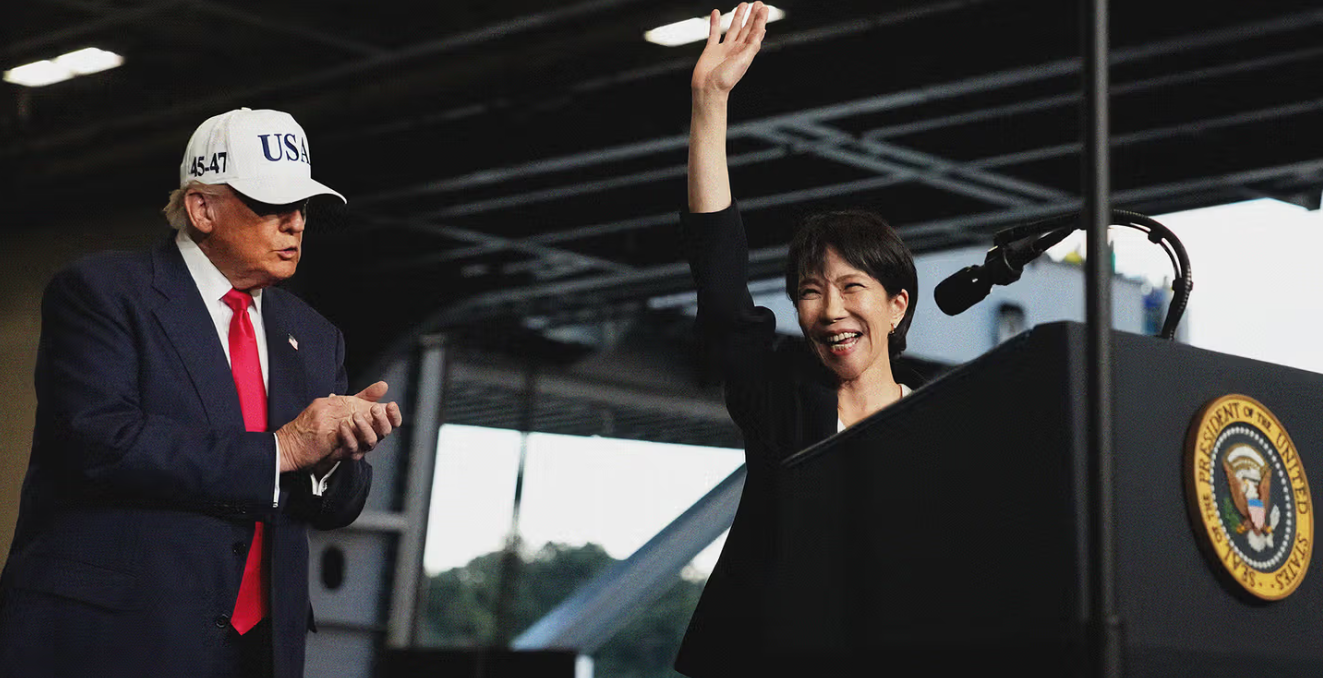
In a world where global alliances are being constantly tested, Japan’s recent engagement with the United States offers a revealing glimpse into how nations are recalibrating their priorities. The meeting between Sanae Takaichi and Donald Trump was officially described as a success by Tokyo. Yet, beyond the formal statements and diplomatic optics, the summit reflects a deeper reality—Japan is navigating a complex path between strategic dependence and the desire for greater autonomy.
The timing of the summit was significant. It came at a moment when tensions in West Asia were escalating, particularly with conflict involving Iran raising concerns about global energy security and maritime stability. There were expectations that Washington might push its allies, including Japan, to take a more active role in securing vital routes like the Strait of Hormuz. Japan’s response, however, was cautious and calculated. While it reiterated its opposition to Iran acquiring nuclear weapons and condemned disruptions in the region, it avoided committing military support, pointing to constitutional limitations.
This approach is consistent with Japan’s post-war identity. Bound by a pacifist constitution, the country has long walked a fine line—supporting its key ally, the United States, without becoming directly involved in overseas conflicts. The summit reinforced that this balance remains central to Tokyo’s foreign policy thinking.
At the same time, the outcomes of the meeting highlight how the relationship between the two countries is expanding beyond traditional security concerns. Agreements on strategic investments, energy cooperation, and critical minerals signal a growing emphasis on economic security. In an era where supply chains can be weaponised and resources have geopolitical value, these partnerships are as important as military alliances.
The focus on critical minerals is particularly telling. These resources—essential for everything from electronics to clean energy—have become a new frontier of global competition. By working together to secure supply chains and set standards, Japan and the US are attempting to reduce their vulnerability to disruptions and external pressure. It is a quiet but significant shift, reflecting how economic strategy is now deeply intertwined with national security.
In the Indo-Pacific, Japan also secured reassurance that the United States remains committed to the region. For Tokyo, this is crucial. The presence of the US acts as a stabilising factor in a region marked by strategic competition and unresolved tensions. At the same time, Japan continues to prioritise issues closer to home, particularly the threat posed by North Korea and the longstanding concerns surrounding its missile and nuclear programmes.
So why did Japan describe the summit as a success, despite the complexities and occasional tensions? Part of the answer lies in what was achieved indirectly. By maintaining alignment with Washington, Japan ensures that the US remains engaged in its security environment. In a time when global attention can shift rapidly, that reassurance carries considerable value.
There is also a practical dimension. Japan is in the midst of strengthening its own defence capabilities, a process that requires time, resources, and technological support—much of which comes from the United States. Continued cooperation provides the space needed for this transition, allowing Japan to modernise its military without abrupt shifts that could destabilise the region.
At the same time, the relationship is shaped by economic considerations. Closer ties with the US offer Japan an opportunity to diversify its dependencies, particularly at a time when reliance on a single major partner can create vulnerabilities. This aspect of the partnership, though less visible than security cooperation, is equally critical in shaping long-term strategy.
However, this growing alignment is not without its challenges. As Japan moves closer to the United States, questions about its strategic independence become more pronounced. There is a risk that consistent alignment—especially in contentious global conflicts—could limit Tokyo’s ability to act as a neutral or balancing force on the international stage.
This concern is especially relevant in the context of potential future crises, such as tensions around Taiwan. Japan’s evolving security posture suggests a willingness to play a more active role, but such involvement would come with significant risks. It would deepen its alliance with the US, but also expose it to greater regional and domestic pressures.
In many ways, Japan’s current position reflects the broader realities of the global order. The space for complete independence is shrinking, and alliances are becoming both more necessary and more complicated. For Japan, the challenge is not whether to align with the United States—it is how to do so without losing its own strategic voice.
The recent summit, therefore, is more than just a diplomatic engagement. It is a snapshot of a country adapting to a changing world—seeking security through partnership, while quietly working to strengthen its own capacity to act.
(Author is a doctoral scholar at the Centre for East Asian Studies, School of International Studies, Jawaharlal Nehru University, New Delhi.)









[[comment.comment_text]]