11 Years of Modi Government: Transformation and Turmoil?

 1 year, 4 months ago
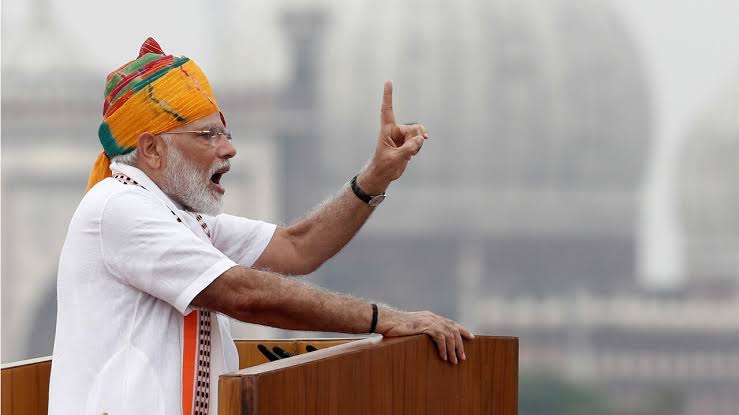
As Prime Minister Narendra Modi completes 11 years in office—an era that has seen him become India’s longest-serving Prime Minister after Jawaharlal Nehru and Indira Gandhi—the nation stands at a critical juncture. His tenure has undeniably transformed the Indian political and economic landscape. Yet, amid landmark decisions like the abrogation of Article 370 and ambitious initiatives like “Make in India,” a parallel narrative of missed targets, contentious policies, and lingering questions clouds his legacy.
This article offers a 360-degree review of Modi’s governance, examining not only the structural overhauls and headline-making reforms but also the unresolved controversies and systemic challenges that remain.
Economic Reforms: Ambition Meets Uncertainty
In a surprise televised address on November 8, 2016, Prime Minister Modi demonetized ₹500 and ₹1,000 currency notes, claiming it would tackle black money, corruption, and counterfeit currency. The move instantly nullified 86% of India’s cash, creating panic across the country. Informal sectors, daily-wage workers, farmers, and small traders were hit hardest.
While intended to expose illicit wealth, the Reserve Bank of India later revealed that 99.3% of the demonetized notes were returned, raising serious doubts about the policy’s effectiveness. Moreover, the introduction of ₹2,000 notes—quietly withdrawn in 2023—only added to the confusion. To this day, the government has not convincingly explained the long-term benefits of such a drastic economic gamble.
GST: A Revolution That Stumbled
The Goods and Services Tax (GST), implemented in July 2017, aimed to simplify India’s complex tax regime. However, businesses—especially small and medium enterprises—struggled with a confusing structure, constant rate revisions, and a glitch-ridden digital infrastructure.
The Comptroller and Auditor General (CAG) highlighted major design flaws and revenue shortfalls, questioning the readiness of the system at launch. Why was such a critical reform rolled out without sufficient groundwork? The lack of accountability continues to haunt this signature reform.
Electoral Bonds: A Transparency Black Hole
Introduced in 2018, electoral bonds were billed as a cleaner way to fund political parties. In practice, they institutionalized opacity. Anonymous corporate donations flourished under the system, drawing criticism from election watchdogs and civil society. The Supreme Court, in a 2024 verdict, declared the scheme unconstitutional.
The State Bank of India’s initial reluctance to disclose donor information raised red flags about executive overreach. Despite the promise of cleansing political funding, the bonds ended up undermining democratic transparency. The core question remains: Why was this system allowed to thrive for so long?
National Security: Victories Overshadowed by Silence
The 2019 Pulwama terror attack that killed 46 CRPF personnel revealed critical lapses in intelligence and security. How 350 kg of explosives passed undetected remains unexplained. The Modi government’s subsequent decision to allow Pakistan’s ISI to investigate on Indian soil was deeply controversial.
There has been no public inquiry, and National Security Advisor Ajit Doval has faced no accountability. These unanswered questions continue to cloud the government’s counter-terror credentials.
In June 2020, the Galwan Valley clash resulted in the deaths of 20 Indian soldiers. Yet, Prime Minister Modi publicly stated, “No one entered our territory,” contradicting satellite images and independent reports.
Despite escalating tensions, Chinese corporations like Vivo continue to operate in India. Why were intrusions downplayed, and what explains the lack of economic disengagement? The contradiction between rhetoric and action raises doubts about strategic intent.
Foreign Policy Failures and Regional Isolation
While India has sought to project itself as a global leader through initiatives like the G20 presidency and diplomatic engagements in the Indo-Pacific, its regional diplomacy has faltered. Relations with key neighbours—Nepal, Sri Lanka, Bangladesh, and the Maldives—have soured over issues ranging from border disputes and trade imbalances to perceptions of Indian interference.
China’s growing influence in South Asia, including its strategic partnerships and infrastructure investments through the Belt and Road Initiative, has further sidelined India. Most recently, renewed skirmishes and a hardening of positions with Pakistan have reignited cross-border tensions, unravelling earlier backchannel efforts at détente. Why has the Modi government allowed India’s traditional leadership role in South Asia to weaken? The growing diplomatic isolation in its own backyard marks a stark failure of foreign policy under Modi’s leadership.
In 2021, global revelations around Pegasus spyware suggested that Indian journalists, activists, and opposition leaders were targeted. Despite Supreme Court intervention, the government stonewalled investigations and failed to clarify its role.
Was state machinery misused for political surveillance? The absence of transparency continues to fuel public concern about privacy rights and state overreach.
Social Fabric and Civil Liberties
Since 2014, India has witnessed a disturbing rise in hate crimes and lynching, predominantly targeting Muslims under the pretext of cow protection. Data from India documented over 100 such cases until 2020, with few convictions.
Why has the government not cracked down on hate speech and mob violence? The silence from leadership appears to normalize and even embolden communal polarization.
The Unlawful Activities (Prevention) Act (UAPA) has been increasingly wielded against journalists, academics, and activists—especially in Jammu and Kashmir. Meanwhile, those inciting hate speech often remain untouched.
By April 2024, at least 15 journalists were charged under the UAPA. Is the law being selectively enforced to stifle dissent? The pattern suggests a shrinking space for civil liberties.
Manipur: An Unaddressed Humanitarian Crisis
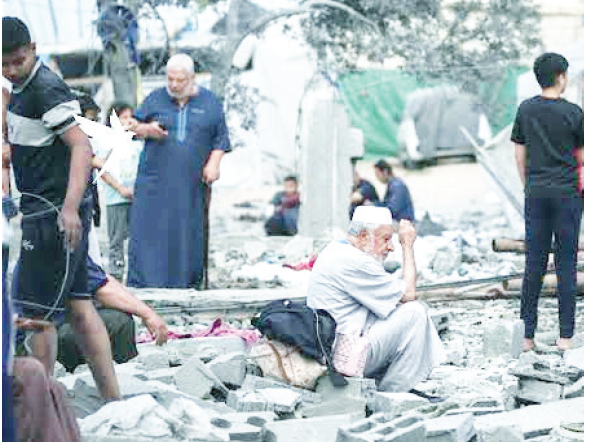
The ethnic conflict between Meitei and Kuki communities in Manipur during 2023 resulted in over 200 deaths and mass displacement. Despite the scale of the violence, the Centre neither launched a formal inquiry nor issued a white paper.
What explains this conspicuous silence? The government’s inaction reflects a worrying neglect of India’s northeastern region and its complex socio-political dynamics.
Transparency and Governance: A Trust Deficit
During the peak of the COVID-19 pandemic, the Modi government pushed forward with the ₹20,000-crore Central Vista redevelopment, including a new Parliament building. This came even as hospitals across India struggled with oxygen shortages and underfunded infrastructure.
Why was this symbolic project prioritised during a national emergency? The optics raised serious questions about the government’s governance priorities.
PM CARES Fund: Public Money, Private Scrutiny
Established as a relief fund during the pandemic, the PM CARES Fund has remained beyond the ambit of the Right to Information Act and public audits. With major donations from corporations and PSUs, transparency about fund utilization remains elusive.
Why is a public-oriented fund exempt from public scrutiny? The opacity breeds suspicion about financial integrity and intent.
From delaying unemployment data to shelving the 2017-18 Consumer Expenditure Survey, the Modi government has repeatedly been accused of suppressing inconvenient statistics. In 2019, two members of the National Statistical Commission resigned in protest.
What is the government attempting to conceal? The suppression of empirical data undermines evidence-based governance and democratic accountability.
Unmet Promises and Global Image: Words vs. Deeds
Modi’s 2014 campaign promised ₹15 lakh from black money recovery and 2 crore jobs annually. A decade later, unemployment touched a 45-year high in 2017-18, and farmer suicides continued unabated.
Why were these flagship promises abandoned? The lack of introspection or remedial action underscores a chasm between pre-election rhetoric and governance outcomes.
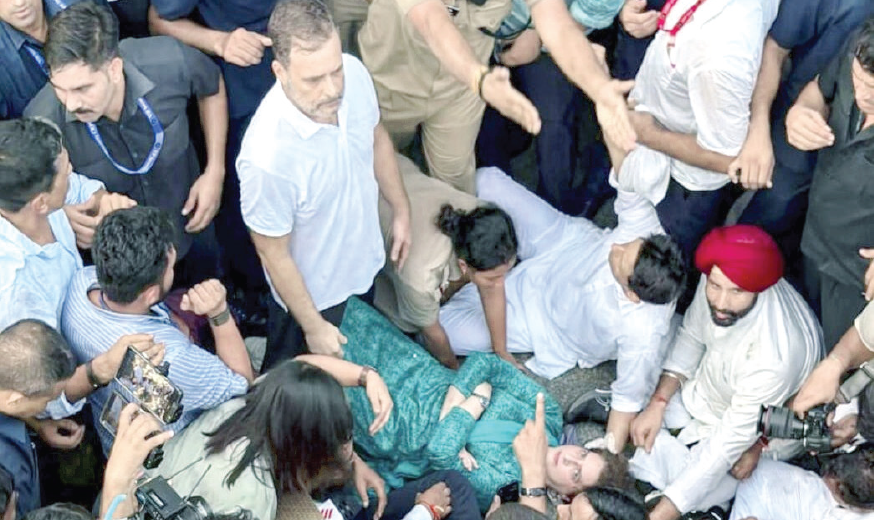
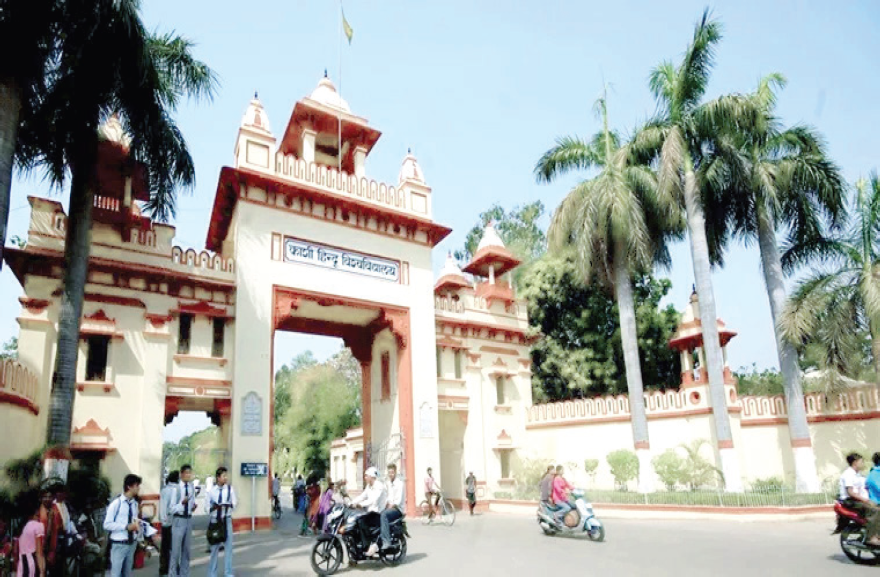
India has dropped significantly on global indices: 107th in the Global Hunger Index, 150th in the Press Freedom Index, and 46th in the Democracy Index (2022). Incidents like the use of Pegasus, crackdowns on students at Jamia and JNU, and journalist arrests reinforce concerns about democratic backsliding.
What is being done to arrest this decline? The international community is watching, and India’s global image is at stake.
Corporate Favouritism
The ₹59,000-crore Rafale deal bypassed HAL for Anil Ambani’s Reliance Defence, which had no prior experience. Allegations of stock manipulation involving the Adani Group also remain uninvestigated.
Why is there little oversight in such high-stakes dealings? The perceived nexus between power and corporate interests further dents public trust.
In conclusion, Narendra Modi’s 11 years in power have been marked by transformative policies, a muscular foreign policy, and digital infrastructure expansion. Yet, this legacy is shadowed by unanswered questions on key issues—economic shocks, national security, communal harmony, and democratic integrity.
As India approaches a crossroads, the need for transparent governance, institutional accountability, and inclusive development is more pressing than ever. Modi’s legacy, still in the making, will ultimately be judged not only by the milestones achieved but also by the questions his government refused to answer.
(Writer, a journalist and commentator, formerly served as a History professor at St. Xavier’s College, Mumbai)

[[comment.comment_text]]