From Plough to Progress: Whither Indian Agriculture

 1 year, 3 months ago
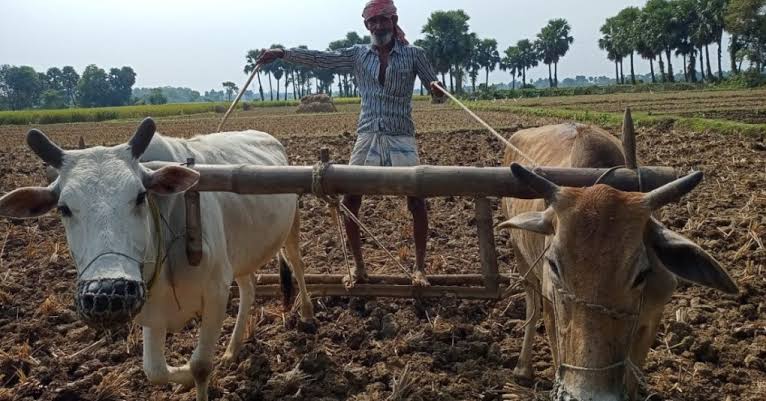
Agriculture remains India’s most crucial sector—both economically and socially—but its potential is far from fully realised. Though nearly half of India’s workforce depends on farming, agriculture contributes less than 18% to GDP. In an era marked by rising populations, changing climate, and shifting consumption patterns, revitalising agriculture is not just desirable—it is imperative for national stability and prosperity.
India’s agricultural diversity is extraordinary. It is the world’s largest producer of milk, spices, pulses, and jute, and among the top producers of cereals, fruits, vegetables, sugarcane, and cotton. Yet, productivity across many crops is below the global average, and income volatility continues to push millions of farmers into distress. Unlocking agriculture’s full possibilities will require a coordinated effort on technology, water management, infrastructure, market reforms, and institutional support.
One of the biggest challenges is low productivity. For example, India produces around 3 tonnes of wheat per hectare, compared to over 5 tonnes in China and more than 7 tonnes in France. Part of the problem lies in fragmented landholdings: nearly 86% of farmers are small or marginal, owning less than 2 hectares. This limits the capacity to invest in mechanisation and modern inputs. Policies encouraging land consolidation through cooperatives or producer organisations can enable economies of scale without undermining ownership rights.
Technology adoption is another essential frontier. Although India has made progress with soil health cards, direct benefit transfers, and satellite crop forecasting, there is still insufficient penetration of modern agronomy practices. Precision farming—using sensors, IoT, and data analytics—can increase yields while conserving resources. Drones can monitor crop health and target pesticides precisely. Pilot projects show that such technologies can increase productivity by 15–25%. However, scaling requires investment, training, and affordable models tailored to smallholders.
Water use inefficiency compounds these problems. Agriculture consumes about 80% of India’s freshwater. Traditional flood irrigation depletes aquifers, worsens salinity, and drives down yields. In states like Punjab and Haryana, groundwater tables are falling dangerously fast. Micro-irrigation—particularly drip and sprinkler systems—has been proven to save up to 40% of water while increasing yields by 30–50% in some crops. While the Pradhan Mantri Krishi Sinchayee Yojana has expanded micro-irrigation coverage, the pace remains insufficient. Doubling the area under micro-irrigation should be treated as a national mission.
Post-harvest losses are another chronic issue, wasting nearly 15–20% of India’s agricultural output. India has a severe shortage of modern warehouses, cold chains, and refrigerated transport. The creation of infrastructure funds and viability gap financing for private players is essential to modernise supply chains. Additionally, expanding Farmer Producer Organisations can give small farmers collective bargaining power to access markets and negotiate fair prices.
Marketing reforms will be central to revitalisation. Despite the introduction of e-NAM (National Agriculture Market), most farmers still rely on traditional mandis dominated by middlemen. True price discovery remains elusive, and farmers often have little information about prevailing rates beyond their district. Strengthening e-NAM with real-time data, seamless logistics, and dispute resolution mechanisms can help create a truly unified market. In addition, contract farming arrangements with strong legal safeguards can give farmers predictable incomes and stable demand.
Crop diversification is also critical. Decades of promoting rice and wheat have drained soil fertility and depleted water. India’s recent focus on millets—nutritious, climate-resilient grains—is a step in the right direction. Pulses, oilseeds, horticulture, and medicinal plants also offer lucrative alternatives that can reduce risk and increase incomes. Policies must be aligned to incentivise such diversification, including minimum support prices, procurement infrastructure, and dedicated research investments.
Financial access remains uneven. Agricultural credit has risen substantially over the years, but small and marginal farmers often rely on informal lenders at high interest rates. The Kisan Credit Card has improved access, yet about one-third of farmers still lack formal credit. Expanding credit through cooperative banks, regional rural banks, and fintech models can ease liquidity constraints. Crop insurance under the Pradhan Mantri Fasal Bima Yojana must be made more reliable through faster claim settlement and transparent assessment protocols.
Climate change is perhaps the greatest long-term threat. Rising temperatures, erratic rainfall, and extreme weather events are already reducing yields and increasing input costs. Climate-resilient agriculture practices—such as conservation tillage, integrated pest management, and drought-resistant seeds—need urgent scaling. Public investments in agricultural R&D should focus on these areas, while extension services must be retooled to train farmers on climate adaptation.
Finally, agriculture must be repositioned as an attractive, modern sector that can support entrepreneurship. Rural youth are migrating to cities because farming seems stagnant. Linking agriculture to food processing, direct marketing, and value-added exports can change this perception. Government schemes to support agri-startups, farmer cooperatives, and innovative supply chains should be strengthened.
Revitalising Indian agriculture will not only improve farm incomes but also enhance nutrition, create rural jobs, and ensure food security for the next generation. The opportunity is vast—but so are the challenges. With the right mix of investment, technology, and policy reforms, Indian agriculture can realise its true possibilities and become a cornerstone of inclusive economic growth.
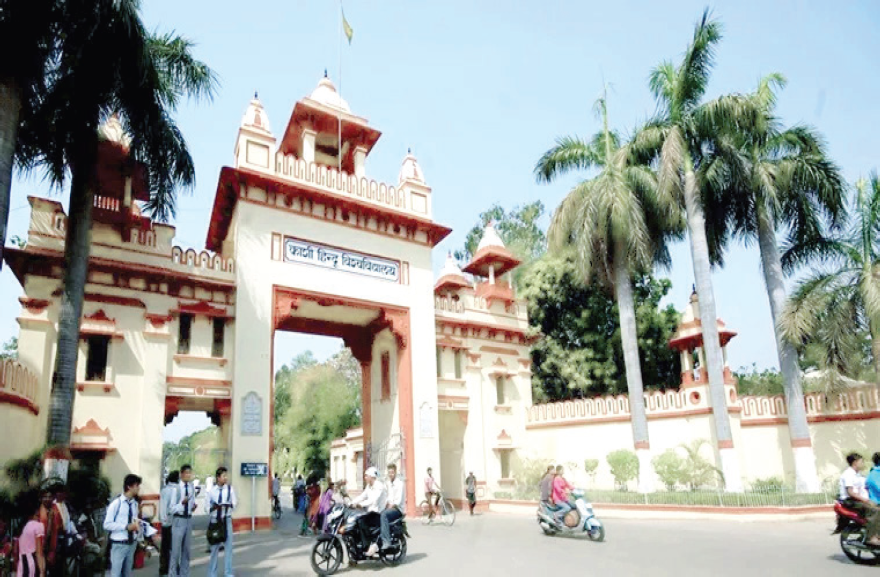
(Writer, a Ph.D. in Sociology, is a well-recognised author and columnist. For the past three decades, he has served in various administrative and academic capacities at Banaras Hindu University)





[[comment.comment_text]]