"It Will Be a Mistake if Maldives Throws Indian Troops Out" – Concerns Rise Amidst President-Elect's Statements

 3 years ago
Fears of Shifting Alliances as Maldives Prepares for New Leadership
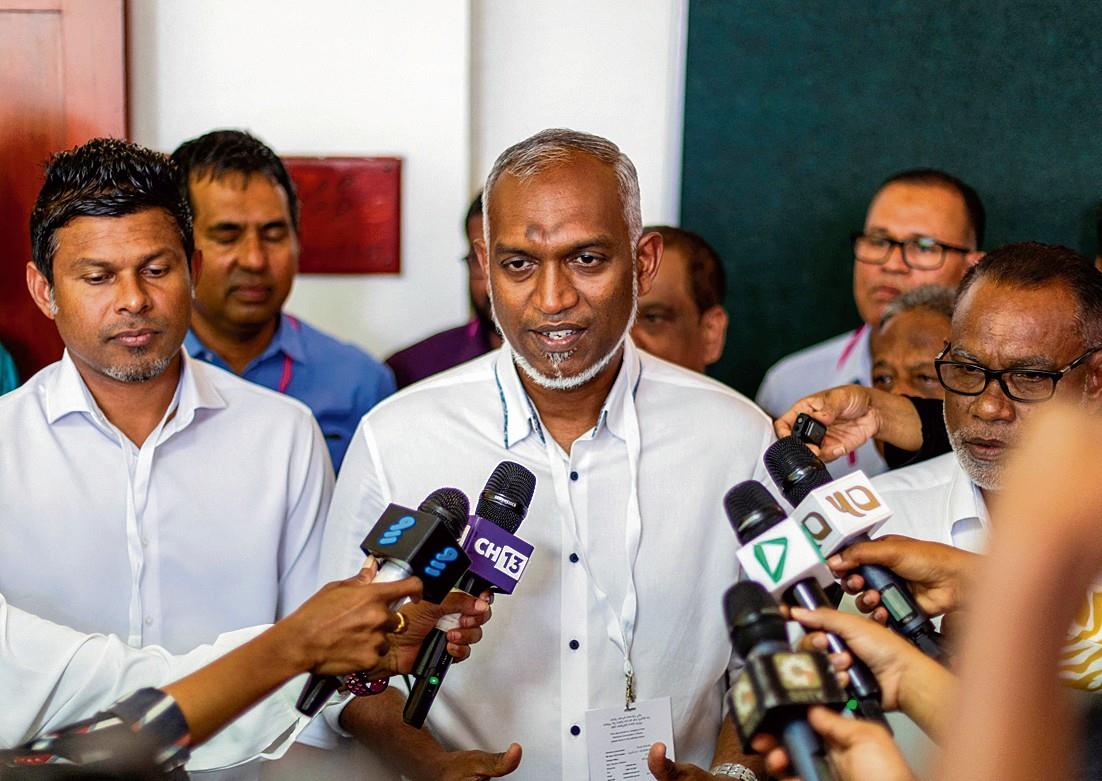
Male, Agencies : Maldivian President-elect Mohamed Muizzu has sparked concerns by announcing his intention to remove Indian troops from the Indian Ocean nation, raising fears of a potential shift in the country's geopolitical alliances. The statement has triggered discussions about the future direction of the Maldives under its new leadership.
In a recent declaration, President-elect Muizzu stated his plan to withdraw Indian troops from the Maldives, a move that has garnered significant attention both domestically and internationally. While the specifics and timeline of this decision remain unclear, the prospect of such a shift has stirred geopolitical anxieties.
India and the Maldives have traditionally enjoyed close ties, with India providing critical support in various areas, including security, infrastructure development, and disaster relief. The presence of Indian troops in the Maldives has long been seen as a symbol of this close relationship, serving not only as a security arrangement but also as a testament to the cooperation between the two nations.
President-elect Muizzu's statement has raised questions about the future of the Maldives' foreign policy. Some observers are concerned that the country may be inching closer to China, as President Muizzu's statements come amidst growing Chinese influence in the region.
It is essential to note that the Maldives has been navigating complex international dynamics, with various global powers vying for influence in the strategically significant Indian Ocean. China's Belt and Road Initiative (BRI) has made inroads into the Maldives, further adding to the geopolitical complexity.
The statements by President-elect Muizzu underscore the importance of understanding the evolving dynamics in the region and the nuances of the Maldives' foreign policy choices. As the nation prepares for a transition in leadership, the world will be watching closely for further developments and the potential impact on the balance of power in the Indian Ocean region.
While the specifics of the new leadership's foreign policy remain to be seen, one thing is clear – the decisions made by the Maldives will have far-reaching consequences in the realm of regional and international politics.






[[comment.comment_text]]