UPSC Opens Direct Recruitment Drive for Multiple Central Government Posts; Applications Till July 31
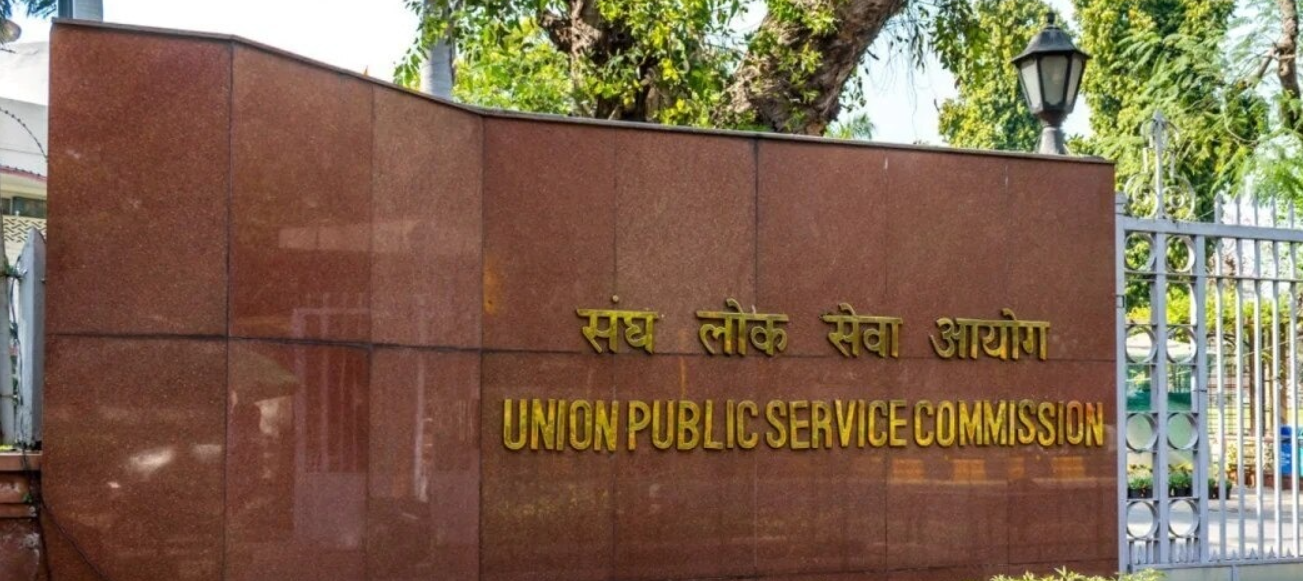



New Delhi: The Union Public Service Commission (UPSC) has invited online applications for direct recruitment to various posts in the Government of India, opening a fresh hiring process for eligible candidates across multiple ministries and departments.


According to an official notification issued on Saturday, the Commission has released Advertisement No. 08/2026, detailing vacancies, eligibility criteria, educational qualifications, age limits and selection procedures for the advertised posts. The notification has been uploaded on the UPSC's official website, and the online application process commenced on July 11.


Candidates can submit their applications through the Online Recruitment Application (ORA) portal until July 31, 2026. The Commission has advised applicants to carefully read the detailed advertisement and follow all instructions before submitting their applications to avoid errors during the recruitment process.


The direct recruitment exercise is part of UPSC's regular selection process for specialist, technical and administrative positions in various ministries, departments and autonomous organisations under the Central Government. Unlike the Civil Services Examination, these recruitments are conducted separately for specific posts requiring specialised qualifications and professional experience.


The detailed notification outlines the eligibility conditions, reservation policy, application procedure and recruitment methodology. Depending on the nature of the post, the selection process may include shortlisting, recruitment tests and personal interviews conducted by the Commission.


UPSC has urged candidates to rely only on information available through its official notification and website while completing the application process. Applicants are also advised to ensure that all required documents and certificates are uploaded correctly within the prescribed deadline.


The recruitment drive comes at a time when the Centre continues to fill vacancies across government departments through regular and transparent recruitment mechanisms. Recruitment through UPSC remains one of the most competitive selection processes in the country, with appointments made strictly on the basis of merit and eligibility.
Revisiting Religious History In India: Temples, Myths, and the Politics of Memory

The contemporary struggle over religious monuments in India cannot be understood without revisiting the deeper historical questions that underlie it: the nature of “Hinduism” in the past, the evolution of temple architecture, the role of Buddhism under state patronage, and the present-day politicisation of Islamic-period monuments. Taken together, these questions reveal not only a contested past but also a deliberate project of mythmaking in the present, designed to forge a unified religious-national identity by cultivating hostility toward Muslims.

R C Ganjoo   |  an hour ago

When Citizens Become Guinea Pigs

Can governments introduce sweeping policy reforms without adequate public consultation? This opinion piece examines the democratic implications of E20 ethanol, governance, accountability, and citizen participation, arguing that lasting public trust depends on transparency, evidence-based policymaking, and meaningful consultation rather than one-way administrative decisions.

NIRAJ KRISHNA   |  1 day, 3 hours ago

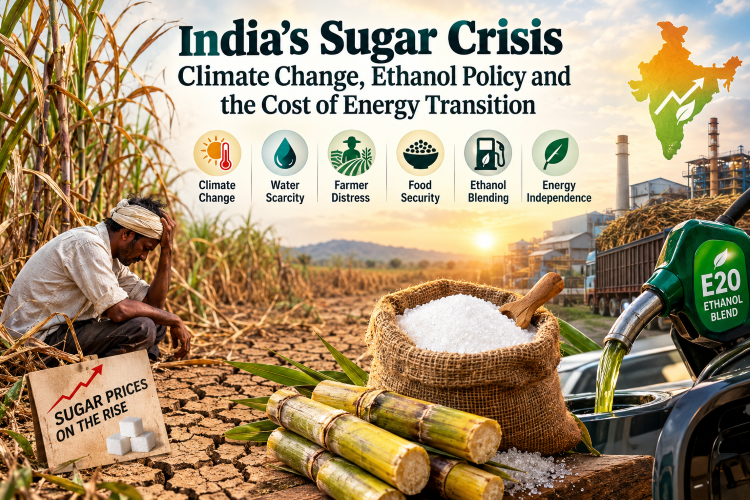
Ethanol in India's Fuel Tank: A Green Revolution or a Growing Dilemma?

An analytical look at India's ethanol blending programme, examining its impact on energy security, farmers, fuel prices, food security, water resources and the country's clean energy transition.

Sanjay Pandey @ EW•NN   |  1 day, 19 hours ago

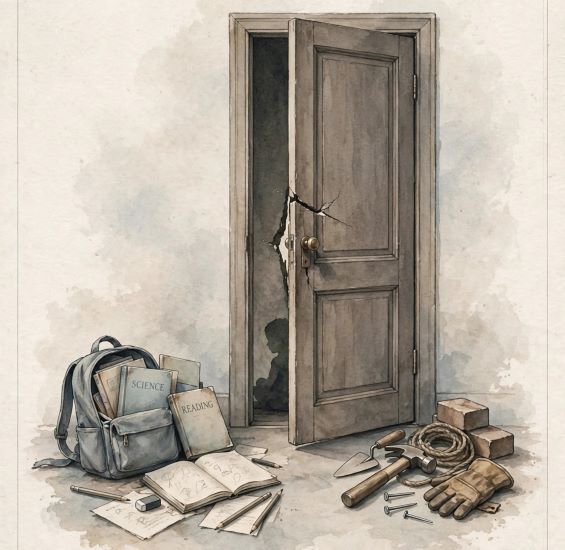
The Changing Standards of Societal Morality: A Critical Look at Contemporary Ethics

Fourteen points Memorandum of understanding (MoU) signed between US President Trump and Iranian President Masud Pezeshkian on 18th June had temporarily halted the military operations and opened the transit of commercial vessels through Strait of Hormuz, without any fee, till final agreement is reached within 60 days. A few rounds of negotiations at Qatar and Pakistan to obtain final reaffirmation from Iran that it shall not procure or develop nuclear weapons and dispossess enriched stockpile on mutually agreed terms took place without any outcome.

B. K. Singh   |  2 days, 16 hours ago

Taj Mahal, Truth and the Temptation of Myth: History, Law and the Politics of Manufactured Memory

As fresh litigation seeks to reopen the Taj Mahal’s past, the debate is no longer merely about a monument—it is about whether historical evidence or political mythology will define India’s civilisational inheritance. Few monuments in the world command the reverence, recognition and emotional appeal of Agra’s Taj Mahal. A UNESCO World Heritage Site and one of the Seven Wonders of the Modern World, it has stood for nearly four centuries as an architectural masterpiece and a symbol of India’s rich and diverse cultural heritage. Yet, increasingly, it has become the object of relentless attempts to recast history through litigation and ideology.

Hasnain Naqvi   |  2 days, 17 hours ago

The Price of Recklessness: The Severe Economic Toll of Resumed U.S.-Iran Strikes

With Iran targeting commercial tankers and the U.S. moving to revoke oil sanctions waivers, energy infrastructure is once again a primary battlefield. A prolonged conflict threatens to choke off nearly a fifth of the world's petroleum supply and vital liquefied natural gas (LNG) transits. If these vital shipping lanes remain heavily contested, a permanent risk premium will bake into energy costs, driving oil prices to levels that could trigger a global industrial slowdown.

Dinesh Dubey @ EW•NN   |  2 days, 23 hours ago

Comments

YOU MIGHT ALSO LIKE

View More