Good Bye Elon Musk: Prez Trump Loses a ‘Trusted’ Partner

 1 year, 4 months ago
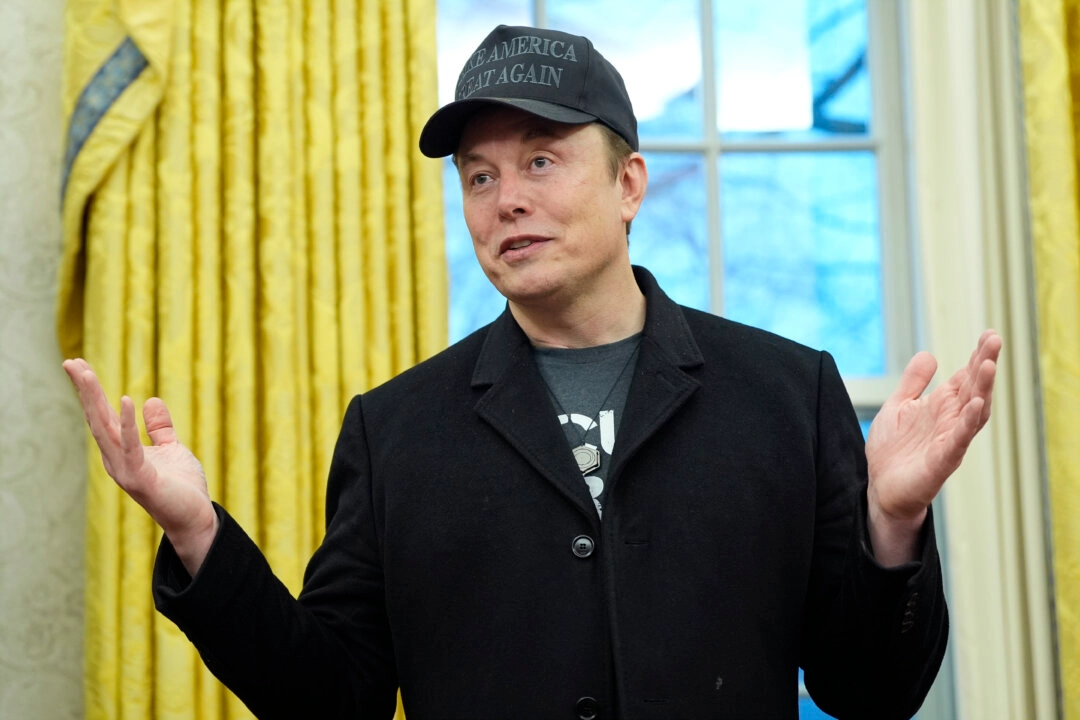
Elon Musk, the billionaire entrepreneur and the world's richest man is reportedly stepping back from his government advisory role within the Trump administration, expressing growing disillusionment with Washington and a desire to refocus his attention on his core companies. His departure, announced on X (formerly Twitter) on Wednesday, May 28, 2025, marks the conclusion of a turbulent period where he spearheaded the "Department of Government Efficiency" (DOGE) to drastically cut federal spending.
Maryland: Musk's tenure as a "special government employee" was always intended to be temporary, limited to 130 days within 365 days under US ethics laws, with his term effectively ending by May 30. Despite this pre-determined end, his exit comes amidst increasing public scrutiny and notable clashes with the administration and lawmakers.
One of the most recent and significant points of contention was Musk's public criticism of President Trump’s signature domestic policy legislation, dubbed the "big beautiful bill." In an interview with CBS News, Musk stated he was "disappointed" by the bill, arguing that it would "increase the budget deficit, not just decrease it, and undermines the work that the DOGE team is doing." This direct critique of the President's legislative agenda, coming from a key advisor, highlighted the growing fissures in their relationship.
Frustration and Disillusionmentm
Beyond policy disagreements, Musk’s disillusionment is also traced to his personal political setbacks. He reportedly spent around $25 million backing a judicial candidate in Wisconsin who ultimately lost, adding to his frustrations with the political landscape. Furthermore, he has yet to make good on a previously pledged $100 million donation to Trump's political operation for the 2026 midterms, a sum that has not been disbursed as of this week, according to multiple sources.
His efforts with the DOGE team, while aiming for significant spending cuts, have also faced challenges and criticism. The team, which deployed staff across various government agencies, has been accused of inflating its cost-saving figures and, at times, posting erroneous claims about ending federal contracts. The cuts proved to be more difficult to implement than anticipated, with Musk's perceived lack of interest in understanding the intricacies of bureaucracy hindering his progress on Capitol Hill. Early in the administration, some White House aides felt "held captive" by Musk's influence, particularly his willingness to use X to target those he disliked and his encouragement of measures like mandatory weekly accomplishment emails for federal workers (a requirement since lifted for Defense Department civilian employees).
Sensitive Briefing on China
A notable incident contributing to Trump's displeasure with Musk was a New York Times report that revealed Musk was about to receive a sensitive briefing on China at the Pentagon. This reportedly irked the President, who had previously fended off questions about Musk's potential conflicts of interest.
Musk’s focus on his companies has also been a recurring theme. Investors at Tesla have increasingly urged him to prioritize his business responsibilities amid falling sales and stock prices. This pressure has undoubtedly played a role in his decision to scale back his government involvement, with Musk publicly stating he will dedicate significantly less time to politics and "re-focus" on X/xAI and Tesla.
One recent illustration of Musk’s renewed focus on his companies was the highly anticipated test flight of SpaceX's Starship rocket. Despite a leak and eventual explosion, Musk hailed it as a "big improvement," emphasizing his commitment to making life multi-planetary.
Beyond domestic policy, Musk also intervened in a significant international AI deal. Ahead of Trump's trip to the Middle East, Musk reportedly objected to a deal between OpenAI (an organization he co-founded but later had a falling out with its CEO, Sam Altman) and the United Arab Emirates to build a massive AI data centre in Abu Dhabi.
Musk reportedly pressured officials to include his own AI company, xAI, in the deal, warning that Trump would not approve it otherwise. Despite his intervention and complaints about fairness for all AI companies, the deal ultimately proceeded without xAI's inclusion. While Musk joined the President on the Middle East trip, his presence was largely on the sidelines, with foreign officials showing more interest in other US envoys.
Despite Musk's departure, the DOGE initiative is expected to continue, with his prominent deputies, such as Steve Davis and Antonio Gracias, remaining in their government roles, suggesting the administration intends to carry on with the efficiency efforts.
Unique But Tumultuous Partnership
In essence, Elon Musk's exit from the Trump administration marks the end of a unique, often tumultuous, partnership. While he sought to bring his disruptive, efficiency-driven approach to the federal bureaucracy, he encountered the inherent complexities and political realities of Washington, ultimately leading him to prioritize his private ventures. His criticisms of the administration's spending and his own political frustrations underscore a growing distance from the political sphere, even as his legacy on government efficiency remains a subject of ongoing debate.










[[comment.comment_text]]