A Divisive Battle for Europe’s Future

 1 year, 3 months ago
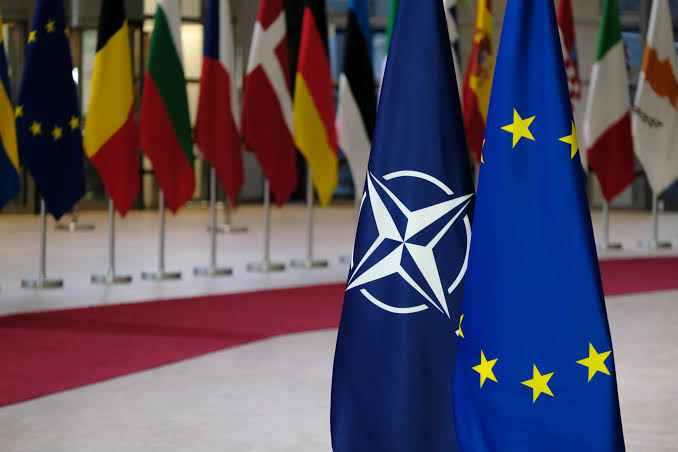
Europe has entered a tumultuous new era, marked by a fundamental struggle between liberal, internationalist forces seeking integration and anti-liberal, nationalist movements advocating for disintegration. This period was decisively ushered in by Russia's full-scale invasion of Ukraine on February 24, 2022, effectively ending the post-1945 and post-1989 orders. While institutions like the UN, NATO, and the EU persist, their operational context has been profoundly reshaped. This isn't merely a "turning point" but a protracted "Zeitenwende," a German term for a turning of the times, which will take years to fully define and name, likely by 2029.
European leaders, initially slow to react, have been jolted into action by three major external pressures: the Putin shock, the Xi shock, and the Trump shock. These aren't just about individual leaders but reflect larger geopolitical shifts. Russia, now a revanchist power with a war economy, is waging a hybrid war against Europe, seeking to regain control over its former empire. Simultaneously, China, under Xi Jinping, continues to partner with Russia, and together with other rising global powers like India, South Africa, and Brazil, they are challenging Western dominance, ushering in a post-Western world where the combined economies of the BRICS nations now rival or exceed the G7.
However, the most significant catalyst for European action has come from the West: the Trump shock. This isn't solely about Donald Trump's personality but represents a broader, long-term trend of the US prioritizing domestic concerns and a "pivot to Asia," a trend likely to continue regardless of future US leadership. Trump's "America First" agenda, marked by economic nationalism, tariffs, and a transactional approach to international relations, directly challenges liberal Europe. His administration's ambivalence towards Ukraine and active support for anti-liberal parties within Europe pose a multifaceted threat—geopolitical, economic, and ideological—to the EU's very foundation. In response to these unprecedented challenges, Europe's leaders are increasingly vocal about the necessity for the continent to become a stronger, more independent power capable of defending its interests and values.
This complex interplay has led to a fascinating new political polarization across Europe. Recent polling indicates a clear division: many hard-right nationalist populist parties are aligning as "pro-Trump and anti-EU," while most liberal centrist parties, spanning the centre-left and centre-right, are consolidating as "anti-Trump and pro-EU." This stark dichotomy underscores the profound nature of the struggle for Europe's future, as external pressures exacerbate internal divisions and redefine continental alliances.








[[comment.comment_text]]