8th National Conference of BSPS in Howrah

 1 year, 9 months ago
Sharp Journalism Traces Its Roots to Bengal: Ashok Pandey
Call for Unity Among Journalists Across the Nation: Shahnawaz Hasan
Sanjay Pandey
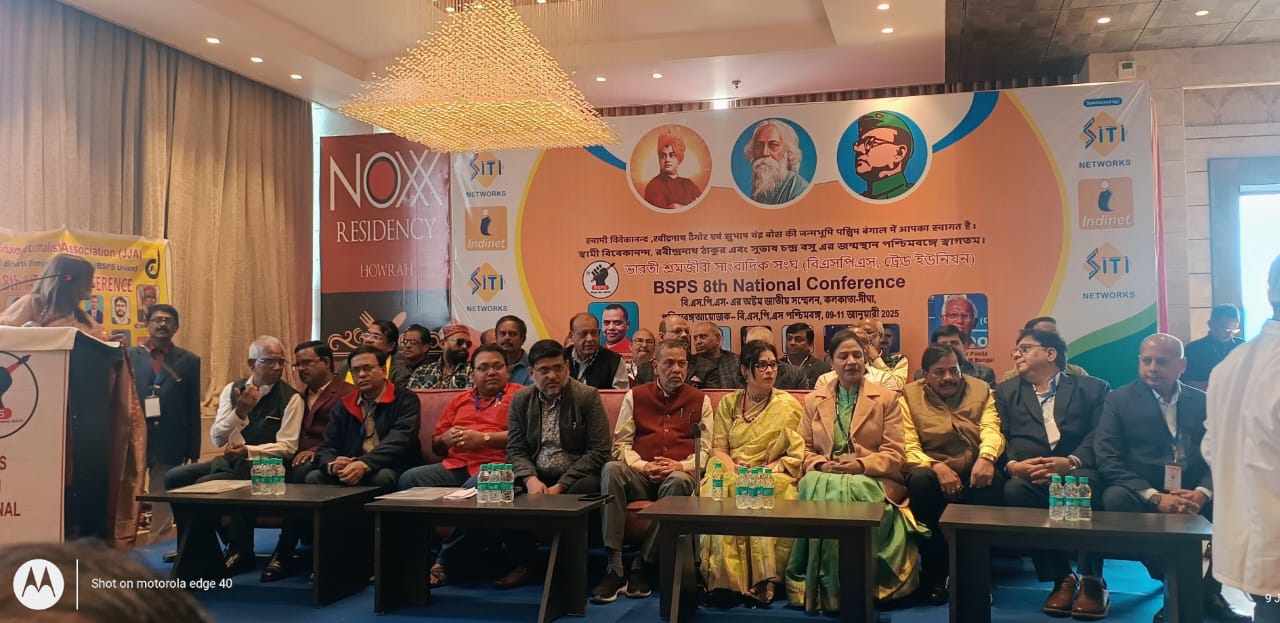
EW News Howrah: The 8th three-day National Conference of the Bharti Shramjivi Patrakar Sangh (BSPS) in Howrah, with its inaugural session held at Nox Residency. The event was presided over by BSPS National President Ashok Pandey, while the proceedings were conducted by National General Secretary Shahnawaz Hasan. BSPS National President Ashok Pandey highlighted the historical significance of January 9 in Bengal's context and underscored the state’s deep connection to impactful journalism. BSPS National General Secretary Shahnawaz Hasan emphasized the importance of unity among journalists nationwide, urging them to function as one cohesive family.

The conference saw participation from key national office-bearers and state representatives, including BSPS's National Joint Secretary Syeda Shamima Nasreen, Bengal State President Shaileshwar Panda, Secretary Vanivrat Kara, Organization Secretary Saurav Sinha, and Vice President Sujit Pal, among others. Journalists' Safety and Welfare Take Center Stage Various state representatives raised pressing concerns about journalists' safety and welfare.
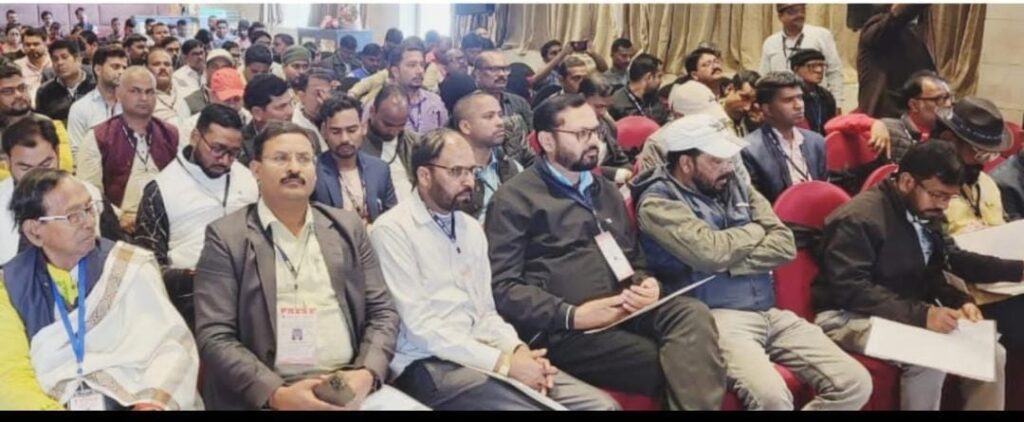
Dr. Arun Saxena, Madhya Pradesh State President, highlighted the challenges faced by journalists, including harassment and unfair legal actions for reporting critical issues. Chhattisgarh State President Gangesh Dwivedi pointed out the alarming rise in violent incidents against journalists in his state, calling for immediate government intervention. Andhra Pradesh State President Veer Bhadra Rao, with over four decades of experience, voiced concerns about the lack of seriousness towards journalists' issues. He urged collective efforts to financially strengthen the BSPS and proposed collaborative work for the organization's journal, Chautha Stambh (Fourth Pillar).
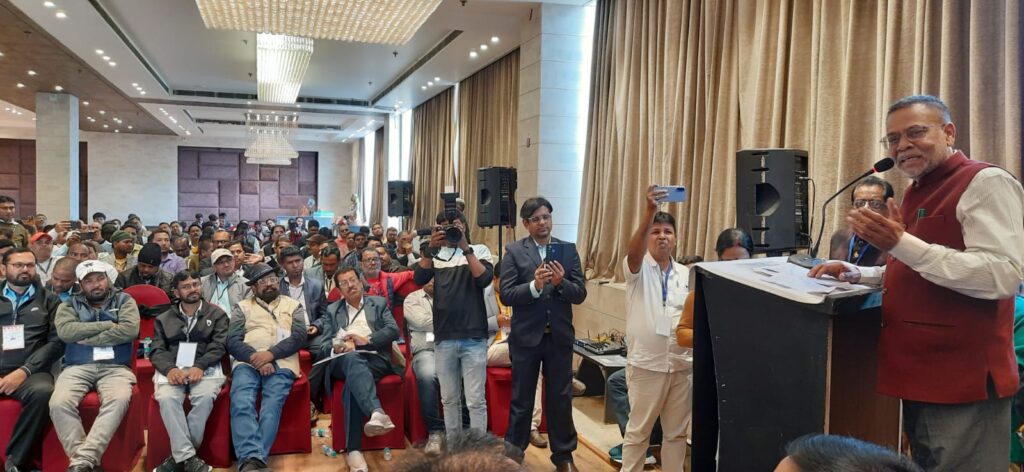
Future Plans and Resolutions Tamil Nadu State President proposed hosting the next national conference in Chennai, reaffirming their commitment to journalists' safety and welfare. The president of the BSP's Jharkhand unit, Sampurnanand Bharti, expressed disappointment over the state government's inaction regarding the insurance scheme for journalists. Bharti stated that despite the premium being deposited, no significant steps have been taken to implement the scheme. BSPS Bihar President Kumar Nishikant said that if journalists want their all-round development then they will have to strengthen the organization. Only then will welfare of all of us be possible. BSPS Uttarakhand State President said that now journalists across the country are understanding the importance of the Journalist Association. In the coming days, we all will have to fight a long battle, only then our existence will continue. Haryana State BSPS Leader Navin Bansal highlighted their unique initiative of a nominal membership fee, setting an example for the country. Uttar Pradesh State President Pradeep Sharma shared the organization's growth across 46 districts, emphasizing the need for solidarity and expansion. National Vice President Chandan Mishra called for a revival of fearless journalism, urging members to counter disinformation and advocate for truth. Experts at the conference provided insights into Artificial Intelligence (AI),
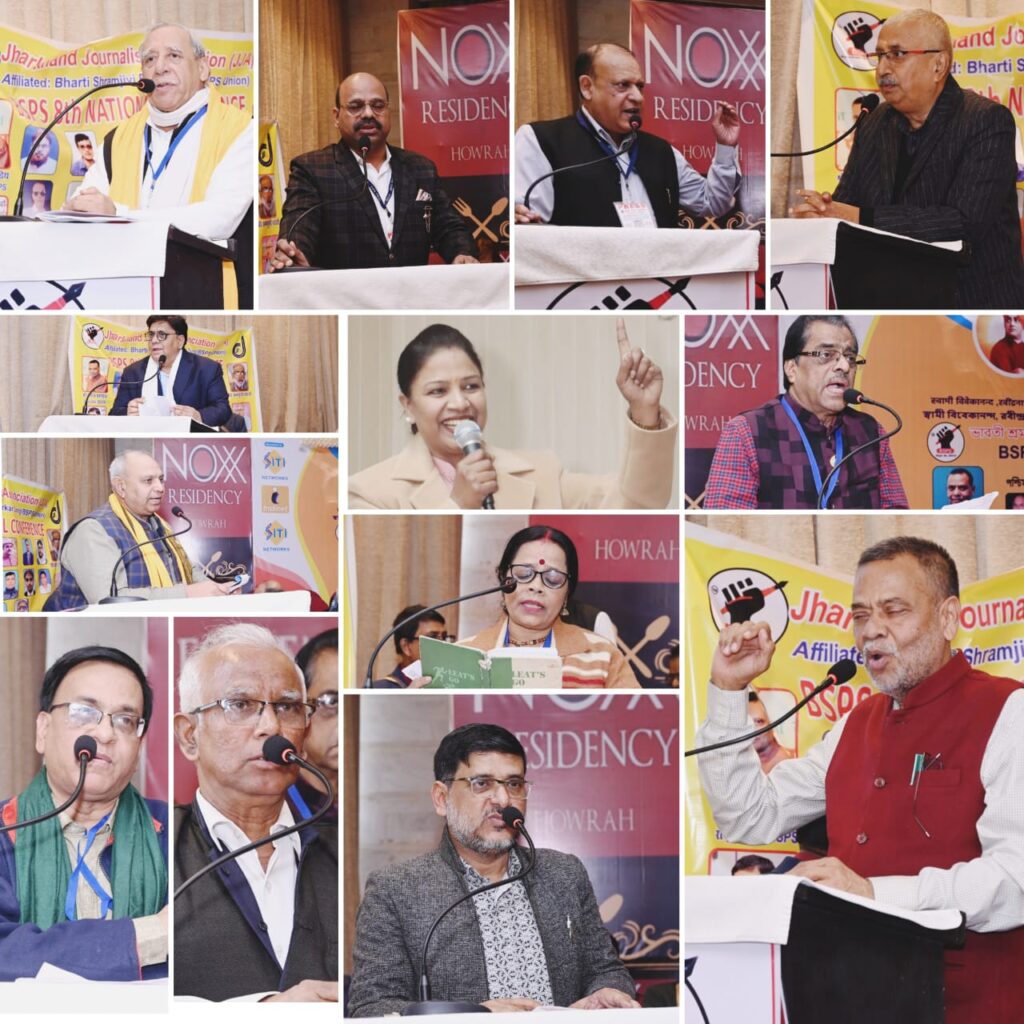
BSPS National Secretary Dr Naveen Anand Joshi said emphasizing its potential to revolutionize journalism by enhancing economic opportunities. They also discussed the need for a robust movement to advocate for journalists’ rights at a national level. A Call for Action. The conference concluded with a unanimous call for a demonstration in New Delhi to demand journalists' protection and welfare. BSPS Haryana State President and BSPS National Spokesperson Indu Bansal stressed the importance of fearless reporting and maintaining mutual trust within the fraternity. The event reflected BSPS's unwavering commitment to empowering journalists and addressing the challenges they face in today’s evolving media landscape.On this occasion, Professor Shankar Kumar Sanyal, president of the Harijan Sevak Sangh, reminisced about memories from his earlier associations, adding a reflective tone to the gathering.




[[comment.comment_text]]