In GST Council Meeting States Raise Concerns Over 'Retrospective Taxation' on Online Gaming

 3 years ago
Delhi Finance Minister Atishi Highlights Discrepancies in GST Notices Issued to Gaming Industry
New Delhi, EW News: During the 52nd Goods and Services Tax (GST) Council Meeting chaired by Finance Minister Nirmala Sitharaman, states have brought to the forefront the issue of notices issued for tax demand under the GST regime on gaming companies. Some states have described these notices as a form of "retrospective taxation."
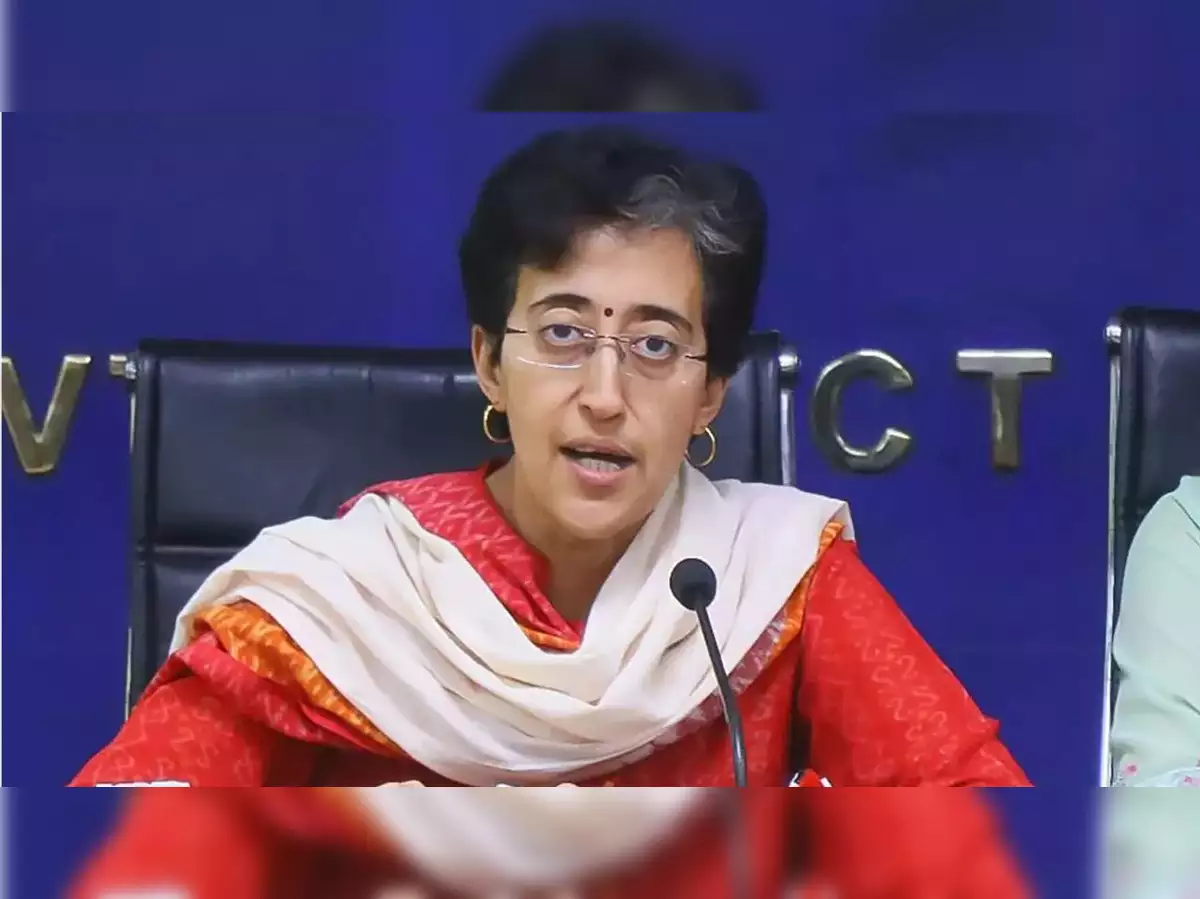
Delhi Finance Minister Atishi expressed concern over the GST notices sent to online gaming companies, stating that the tax demands far exceeded even the estimated valuation of the gaming industry. She emphasized that the 28% GST rate on online gaming was supposed to be implemented from October 1, but notices for the past six years have been calculated at a significantly higher rate.
Chhattisgarh Deputy Chief Minister T S Singh Deo also highlighted the issue of online gaming companies receiving a flurry of GST demand notices for alleged evasion. He mentioned that discussions took place regarding charges of tax demand notices on these companies, which some considered retrospective in nature.
The Directorate General of GST Intelligence (DGGI) is an independent body responsible for such investigations, and there were discussions on ensuring that there is no interference in their functioning. The GST Council's chairperson, Finance Minister Sitharaman, indicated her willingness to provide clarifications to the DGGI if required.
In addition to addressing the concerns related to online gaming taxation, the GST Council also decided to provide clarification on differential tax treatment for alcohol for human consumption and industrial use. Furthermore, the GST rate on molasses has been reduced from 28% to 5%.
The issue of retrospective taxation on online gaming companies has brought attention to the need for transparency and consistency in the application of GST regulations across industries. As the discussions continue, it remains a critical matter for both the states and the central government to resolve to ensure fairness and compliance within the taxation framework.











[[comment.comment_text]]