GST rates on Covid items slashed; Exemptions & GST reductions extended till September.

 5 years, 4 months ago
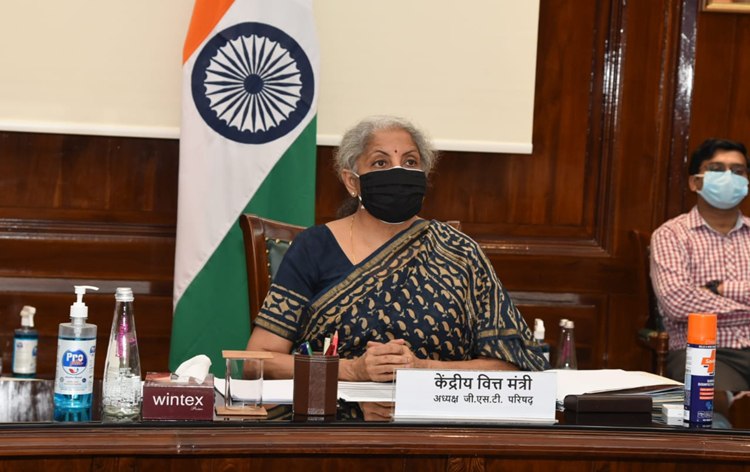
The GST Council has largely accepted the recommendations of the Group of Ministers constituted to look into extending the ambit of GST concessions on COVID treatment-related medical devices and drugs. Briefing media in New Delhi, Finance Minister Nirmala Sitharaman informed that the Council has agreed to completely exempt antifungal drug Amphotericin – B and antiviral drug Tocilizumab from any kind of GST.
The Minister added that GST on another critical drug Remdesivir, used in treatment of COVID patients has been reduced from 12 per cent to five per cent. Additionally, GST on anticoagulant Heparin and any other specified drug recommended by the Health Ministry for COVID-related treatment will stand reduced at five per cent.
Ms. Sitharaman said that the GST Council agreed to reduce GST from existing 12 per cent to five per cent on medical grade Oxygen, Oxygen generation equipment and related medical devices in order to extend relief to the people. In addition to this, COVID testing kits, Pulse Oximeters, Temperature checking equipment and Hand Sanitisers would also now cost cheaper as GST on them have been reduced to five per cent.
The Council also agreed to cut down GST on Ambulances from existing 28 per cent to 12 per cent and on electric and gas furnaces for crematoriums from 18 per cent to five per cent. The GST Council also extended the timeline of exemptions and GST reductions on COVID-related equipment and drugs till September this year.
These decisions were taken in the 44th GST Council Meeting which was convened on a single-agenda to deliberate on the report submitted by the Group of Ministers on tax relief for COVID-19 essentials. The Group of Ministers, GoM was constituted after the previous GST Council meet held last month. The GoM submitted it’s report in less than eight days after its constitution.
(EW News Desk)










[[comment.comment_text]]