Govt says taking steps to bring down edible oil prices

 5 years, 4 months ago
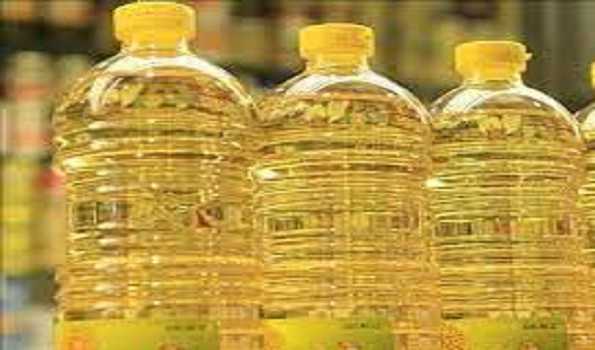
New Delhi, The government on Wednesday said that prices of edible oil has begun to come down, citing data from the Department of Consumer Affairs.
The ministry of consumer affairs in a statement also said it is working on a series of mid- and long-term measures to resolve the issue of high prices of edible oil on a permanent basis.
It sought to explain that the prices of edible oil are dependent on a complex set of factors including international prices and domestic production. As the gap between domestic consumption and production is high, the country has to import a significant amount of edible oil.
And the measures being taken by it would contribute towards making India self-reliant in the edible Oils, which is key ingredient in cooking of food in India. Data from the consumer affairs department over the past month showed the retail prices of edible oils are falling.
In some cases, the decline is by as much as nearly 20 per cent, as shown in prices in Mumbai. The price of Palm Oil was Rs 142 per kg on May 7, now it came down to Rs 115 per kg, a drop of 19 per cent. The price of Sunflower Oil which was Rs 188 per kg on May 5 has come down to Rs 157 per kg, a drop of 16 per cent. The price of Soya Oil was Rs 162 per kg on May 2o. Now it has come down to Rs 138 per kg in Mumbai, a drop of 15 per cent.
Mustard Oil which was selling Rs 175 per kg on May 16, has fallen to Rs 157 per kg, a drop of nearly 10 per cent. While the price of Groundnut oil was Rs 190 per kg on May 14. It has declined to Rs 174 per kg, a drop of 8 per cent. The price of Vanaspati was Rs 154 per kg on May 2. now it is Rs 141 per kg, a drop of 8 per cent. Edible oil prices were reported to have gone up 30-77 per cent in a year, especially in metros.
(Agencies)










[[comment.comment_text]]