Pradhan Resigns After NEET Row; Pralhad Joshi to Head Education Ministry as Centre Reaches Deal with CJP

 2 months, 2 weeks ago
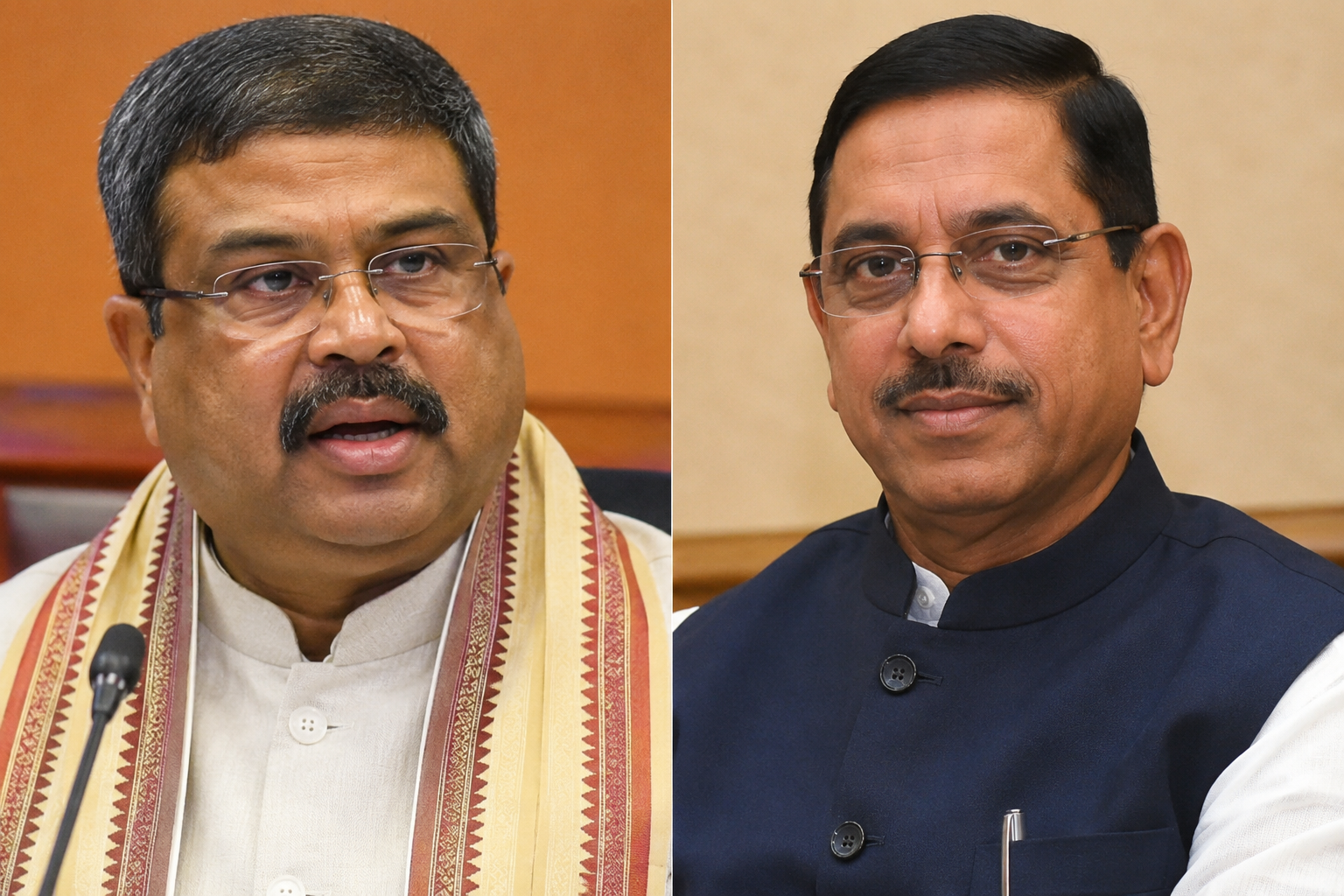
New Delhi: In a major political development that marks the culmination of weeks of intense protests over the NEET examination controversy, Union Education Minister Dharmendra Pradhan resigned from the Union Council of Ministers on Saturday, with the President accepting his resignation on the advice of Prime Minister Narendra Modi. Senior BJP leader and Union Minister Pralhad Joshi has been assigned the Education portfolio, signalling the government's attempt to restore confidence in the country's higher education system.
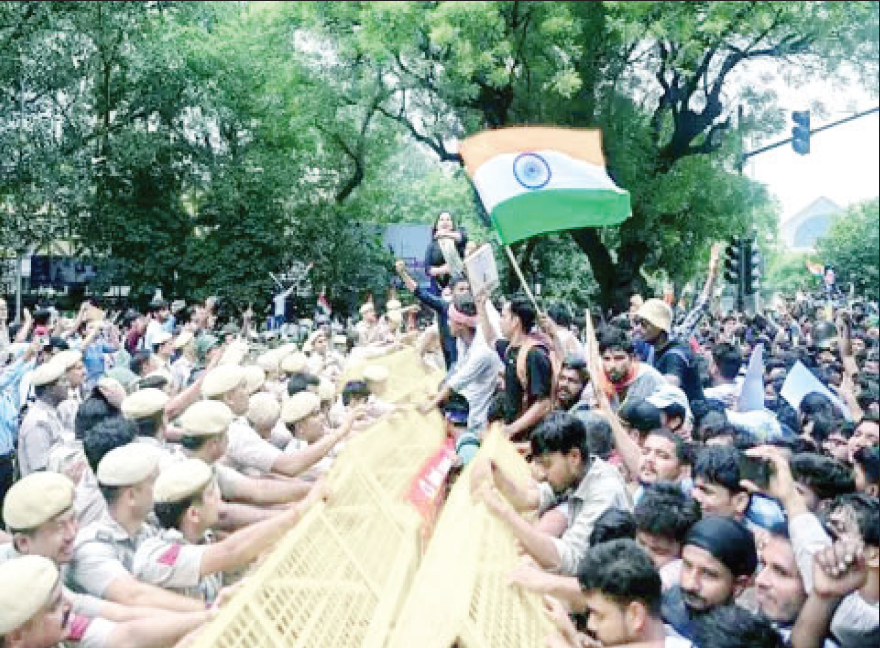
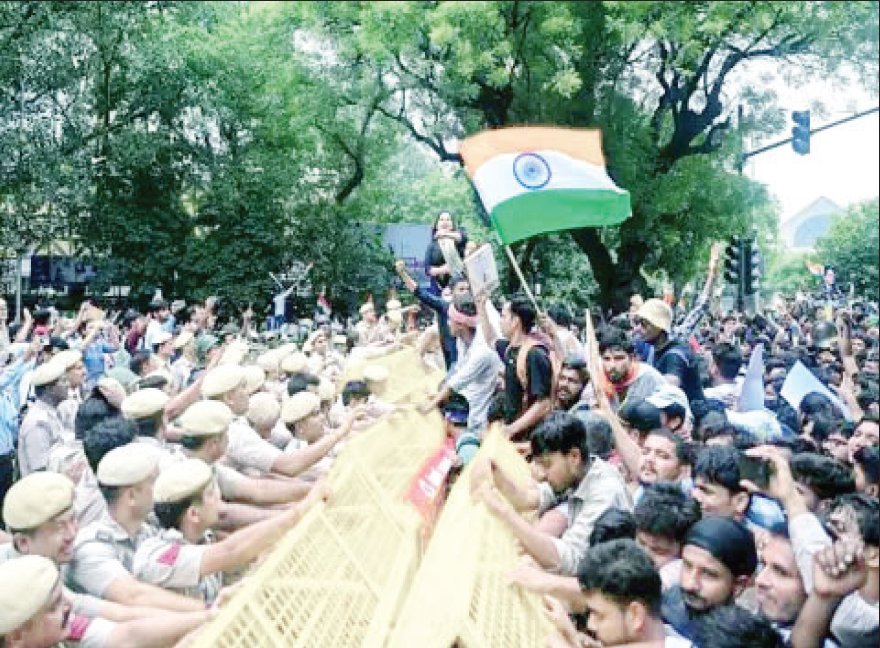
The resignation came hours after the Centre reached an agreement with the Cockroach Janta Party (CJP), which had been spearheading protests demanding accountability over alleged irregularities in the NEET examination process. Following the breakthrough, the CJP announced the withdrawal of its agitation.
Announcing the government's decision, Union Minister J.P. Nadda said the Centre had accepted the key demands raised by the protesters. He said the government would initiate the process of withdrawing FIRs registered against demonstrators and would provide financial compensation, in accordance with existing rules, to the families of students who allegedly died by suicide following the NEET controversy.
Dharmendra Pradhan's resignation is being viewed as the government's most significant political response to the examination crisis, which triggered nationwide protests, legal challenges and sustained criticism from opposition parties and student organisations. The appointment of Pralhad Joshi, a senior cabinet minister known for handling key portfolios, indicates the government's focus on stabilising the Education Ministry and expediting reforms aimed at restoring the credibility of the country's examination system.
Political observers believe the leadership change is intended to ease public anger and pave the way for structural reforms in examination governance, transparency and accountability. Attention will now shift to the new Education Minister's immediate priorities, including addressing pending concerns over competitive examinations, strengthening the National Testing Agency's functioning and rebuilding public trust in India's education administration.


[[comment.comment_text]]