Celebrating India’s Festival of Lights through the Timeless Verses of Nazeer Akbarabadi
 an hour ago
“Har ik makaan mein jalā phir diyā Dīvālī kā”
“Sabhī ke dil mein samā bhā gayā Dīvālī kā” — The joy of Diwali enters every heart.
Nazeer’s India and the Spirit of Shared Celebration
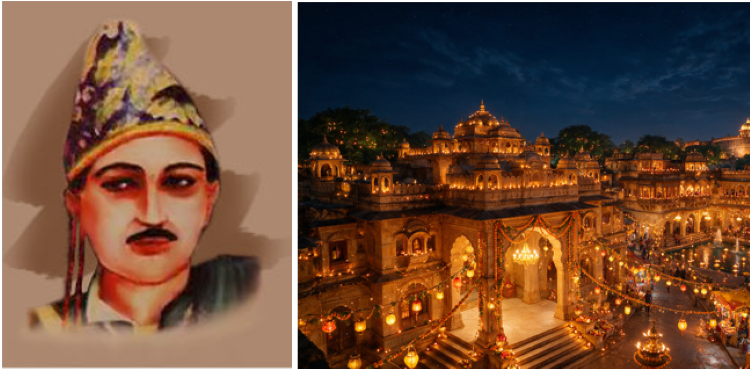
When Urdu poet Nazeer Akbarabadi (1740–1830) penned his glowing verses on Diwali, he was writing about much more than a festival of lights — he was chronicling the pulse of an India where joy transcended religion, where cultural celebration was collective, and where the gleam of a diyā symbolised a shared heritage.
At a time when the Mughal empire was fading and the British were tightening their colonial grip, Nazeer’s poetry stood as a radiant testament to India’s plural soul. He saw Diwali not as a ritual confined to one faith but as a cultural carnival embraced by all. “In his times,” noted the poet Seemab Akbarabadi, “Hindus and Muslims differed only in their modes of worship, not in their way of life.” Festivals, music, food, and language were shared — and Diwali, above all, was everyone’s joy.
In Nazeer’s India, lamps illuminated every home, and hearts illuminated every gathering.
“har ik makān mein jalā phir diyā dīvālī kā,
har ik taraf ko ujālā huā dīvālī kā.”
(Every house is lit again with the lamps of Diwali; light has spread everywhere.)
“Khilauṇe nāchen haiñ, taṣvīreñ gaṭ bajātī haiñ”
A Festival of Colours, Sweets, and Humanity
In his celebrated poem Sāmān Dīvālī kā, Nazeer turns the ordinary into the extraordinary. He paints the marketplace as an orchestra of colours and sounds — sweets glitter like jewels, toys giggle like children, and laughter resounds through the streets.
khilauṇe khilone baṭāshoñ kā garm hai bāzār,
har ik dukān mein charāghoñ kī ho rahī hai bahār.
(The market of toys and sweets is bustling; every shop is blooming with lamps.)
The sweet shops overflow with baṭāshā, barfī, imartī, laḍḍū, and bālūshāhī.
mithāiyoñ kī dukāneñ lagā ke halwāī pukārte haiñ ki ‘lā lā! dīvālī hai āī!’
(Sweet sellers call out, “Come, Diwali has arrived!”)
In Nazeer’s world, Diwali is as much about the laughter of children as it is about the fragrance of sweets or the flicker of lamps.
baṭāshe hañste haiñ aur kheL khilkhilāte haiñ — The sweets laugh, and the puffed grains burst with joy.
Each verse captures the essence of Diwali as a people’s festival — rooted in warmth, generosity, and shared delight. Even poverty or loss does not darken its spirit. Nazeer writes with humour and humanity:
“ne ghar kī haveli giro rakhā hārī,
kisī ne chīz kisī kisī kī churā chhupā hārī,
ye hār jīt kā charchā paṛā dīvālī kā.”
(Someone lost his mansion, another his neighbour’s trinket — the talk of wins and losses fills the Diwali night.)
Here gambling, often seen as a vice, becomes an emblem of joy — a temporary madness that unites people in laughter and lightheartedness.
nazīr āp bhī haiñ juwārīyā dīvālī kā — Nazeer himself is a gambler on Diwali, he confesses playfully.
“Makān-makān mein bahāreñ hī jhamjhamātī haiñ”
Diwali as a Celebration of Beauty and Renewal
In another poem beginning with the line hamen ʿadāyeñ dīvālī kī zor bhātī haiñ, Nazeer’s imagery bursts with cinematic detail. His Diwali is not confined to temples or courtyards — it spills into the lanes, markets, rooftops, and hearts of people.
“hamen ʿadāyeñ dīvālī kī zor bhātī haiñ,
makān-makān mein bahāreñ hī jhamjhamātī haiñ.”
(We are enamoured by the charms of Diwali; in every house, joy and brightness bloom.)
He describes sweetshops brimming with barfī, jalebī, imartī, laḍḍū, and bālūshāhī, where buyers crowd around with delight. He watches toy-sellers displaying clay elephants, horses, and birds painted in vivid colours.
“kabūtarõ ko dekho to guṭ-guṭāte haiñ,
hiran uchle haiñ, ghoṛe hiñhināte haiñ.”
(Pigeons coo, deer leap, horses neigh — toys seem alive with spirit.)
In Nazeer’s lines, clay toys crafted by the kumhār (potter) symbolise the creative pulse of Indian artisanship.
“qalam kumhār kī kyā kyā hunar jatātī hai”— The potter’s brush reveals wonders, he marvels.
His verse celebrates not opulence but artistry — the ordinary crafts that shape the extraordinary joy of a people’s festival.
“Musalmān kahte haiñ ‘Ḥaq Allāh’, Hanūd kahte haiñ ‘Shrī Bhagwān’”
The Syncretic Soul of a Festival
Perhaps the most poignant moment in Nazeer’s Diwali poem comes when he observes, without prejudice or division, the faiths mingling in devotion and joy:
“musalmān kahte haiñ ‘ḥaq allāh’ bolo miṭṭhū jān,
hanūd kahte haiñ paṛho jī ‘shrī bhagwān’.
(The Muslims say ‘Haq Allah, speak my sweet parrot’;
The Hindus say ‘Chant, O parrot, the name of Lord Shri Bhagwan’.)
This couplet alone captures the essence of Ganga-Jamunī tehzīb — the syncretic culture of northern India where religious difference did not separate hearts. To Nazeer, Diwali was not a Hindu festival observed by others; it was an Indian festival celebrated by all. The spiritual and the social merged in one dazzling frame.
At a time when identity politics threatens to divide even festivals, Nazeer’s Diwali poems remind us of an older, luminous unity — one where Allah and Bhagwan coexisted naturally in the laughter of markets, the crackle of diyās, and the fragrance of sweets.
“Ajab maza hai, ajab sair hai, ajab bahāreñ haiñ”
The Eternal Festival of Light and Life
Diwali for Nazeer was not just about lamps and rituals — it was about the joy of human connection, the renewal of bonds, and the celebration of existence itself.
aṭārī, chhajje, dar-o-bām par bahālī hai,
jidhār ko dekho, udhar roshnī ujālī hai.
(Balconies and courtyards glow in splendour — wherever you look, there is light.)
These lines transcend centuries. They could describe an 18th-century Agra or a 21st-century Delhi — the glow of diyās still symbolising hope, renewal, and harmony.
In another poem, Nazeer wrote:
dostoñ kyā kyā dīvālī mein nashāṭ-o-ʿaish hai,
sab muhayyā hai jo is hangām ke shāyān-e shāy hai.
(Friends, how much joy and pleasure there is in Diwali; all that one needs for happiness is found in its festive hour.)
His concluding lines sum up his philosophy of festivity and faith:
hai dasahare mein bhī yūñ gar farḥat-o-zīnat nazīr,
par dīvālī bhī ajab pakīzatar tyauhār hai.
(Even Dussehra has its splendour, O Nazeer,
But Diwali is a festival purer and more radiant still.)
jidhār ko dekho, ajab sair hai, aha ha ha — Wherever you look, what a wondrous spectacle!
Rekindling the Light of Pluralism
In today’s India, where festivals are too often painted in sectarian colours, revisiting Nazeer Akbarabadi’s Diwali is an act of cultural reclamation. His verses remind us that Diwali was once — and can still be — a symbol of India’s composite spirit, where faith was private but festivity was collective.
When Nazeer saw har ek dānt se peṛe aṭakte phirte haiñ, imartī uchle haiñ laḍḍū ḍhulakte phirte haiñ, he wasn’t just chronicling a scene — he was celebrating a civilisational ethos. An India where laughter, trade, and light bound people together more powerfully than creed or caste ever could.
To relive Diwali through Nazeer’s poetry is to reclaim that vision — of an India where
“har ik makān mein jalā phir diyā dīvālī kā”— Every home shines, and every heart glows, with the same light.
(The author, a former member of the history faculty at St. Xavier’s College, Mumbai, is a senior TEW columnist.)

[[comment.comment_text]]