Trump, Nvidia Crisis, and the Stock Market: The Politics of Credit and Blame

 25 minutes ago
President Donald Trump has repeatedly projected stock market performance as proof of his economic leadership, celebrating every surge as a personal achievement. His recent intervention in Nvidia’s leadership controversy was no exception. After persuading the company’s board to reinstate Jensen Huang as chief executive, despite concerns surrounding his alleged links to a suspected Chinese intelligence asset, Trump enthusiastically welcomed the subsequent rise in Nvidia shares. Declaring that the stock had become “a rocket ship going in the right direction”, he portrayed the development as another extraordinary economic success. However, the enthusiasm proved short-lived, as Nvidia shares fell sharply over the following two days, exposing the fragility of market movements and the risks of treating temporary gains as evidence of lasting economic strength.
The episode highlights a fundamental contradiction in Trump’s approach to economic performance. He readily claims credit when markets rise following his announcements or interventions, whether involving corporate leadership, tariffs or foreign policy. Yet, when markets decline, he is quick to find explanations elsewhere. On Wednesday, he attributed the stock market downturn to the Democrats’ electoral gains in the November 3 elections, arguing that the results would have been different had he been on the ballot. Such political explanations overlook the complex forces influencing financial markets, including investor confidence, corporate performance, geopolitical uncertainty and expectations about future economic conditions. Markets cannot be reduced to instruments of political validation.
The same contradiction has been evident in Trump’s handling of the war with Iran. Before launching military action on February 28, he appeared confident that the conflict would cause only temporary economic disruption. He acknowledged that oil and petrol prices might rise for a few weeks but assured Americans that prices would subsequently decline and markets would recover. His suggestion that the United States could even benefit from Iranian oil further reflected an optimistic assessment of the economic consequences of military intervention. However, repeated assurances that the conflict was effectively over and that fuel prices would fall by Labour Day failed to match economic realities. The prolonged uncertainty surrounding the conflict demonstrated how quickly geopolitical decisions can disrupt energy markets, investor confidence and household finances.
Trump’s approach also raises wider questions about the relationship between political leadership and economic accountability. International trade disruptions, unpredictable tariff policies, tensions with major trading partners and military interventions can have consequences extending well beyond the immediate market reaction. Investors respond not merely to announcements but also to the credibility, consistency and predictability of government policy. A temporary rise in share prices cannot establish the success of an economic strategy, just as a short-term decline cannot automatically be attributed to electoral outcomes or political opponents. The uncertainty generated by frequent policy reversals may itself become a significant economic liability.
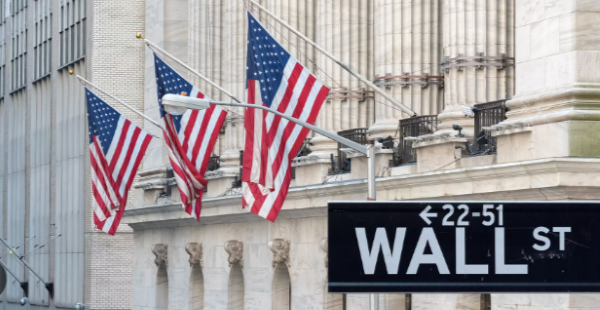
Ultimately, the credibility of presidential economic leadership must be measured by sustained growth, employment generation, price stability, investor confidence and the financial well-being of ordinary citizens, rather than by daily movements on Wall Street. Trump cannot claim ownership of every market rally while distancing himself from every downturn. Economic responsibility is a two-way street, and the consequences of presidential decisions cannot be selectively embraced or disowned. Markets may reward political announcements for a day, but they ultimately judge policies by their long-term results. The difference between celebrating a temporary stock market surge and delivering durable economic prosperity is precisely where responsible leadership is tested.









[[comment.comment_text]]