Healing or Selling: Trust in Question

 5 months, 3 weeks ago
Walk into any pharmacy or browse an online marketplace today, and “Ayurvedic” products appear everywhere—medicines, oils, supplements, cosmetics, even packaged foods. The label has come to signify something natural and safe. Yet, behind this rapid expansion lies a growing unease. Many practitioners and informed consumers are beginning to ask whether what is being sold in the name of Ayurveda truly reflects its principles, or whether it is increasingly becoming a commercial construct shaped more by market demand than by scientific integrity.
This concern is not without basis. As reflected in the source material , the commercialization of Ayurveda has led to the proliferation of substandard medicines and products, often produced and marketed without strict adherence to classical methods. What was once a carefully practiced system rooted in knowledge, observation, and discipline is now, in many cases, reduced to branding. This shift is gradually eroding public trust in a medical tradition that has been tested and refined over centuries.
To understand what is at stake, it is important to revisit what Ayurveda fundamentally represents. It is not merely an alternative therapy, but a comprehensive system of knowledge that originated from the Atharvaveda and evolved through systematic study and documentation. Foundational texts such as the Charaka Samhita and Sushruta Samhita provide detailed accounts of disease classification, diagnostic methods, treatment protocols, and even surgical procedures. The concept of tridosha—Vata, Pitta, and Kapha—offers a framework to understand physiological balance and disease causation, while diagnostic practices emphasize careful examination, observation, and repeated verification before arriving at conclusions.
Equally significant is Ayurveda’s focus on prevention. Ancient Indian practices emphasized hygiene, dietary discipline, and seasonal routines long before modern public health systems emerged. Historical evidence suggests that even in early civilizations, attention was paid to sanitation, isolation during illness, and maintaining environmental cleanliness. Health was viewed not as an isolated condition but as a state of balance influenced by lifestyle, environment, and individual constitution.
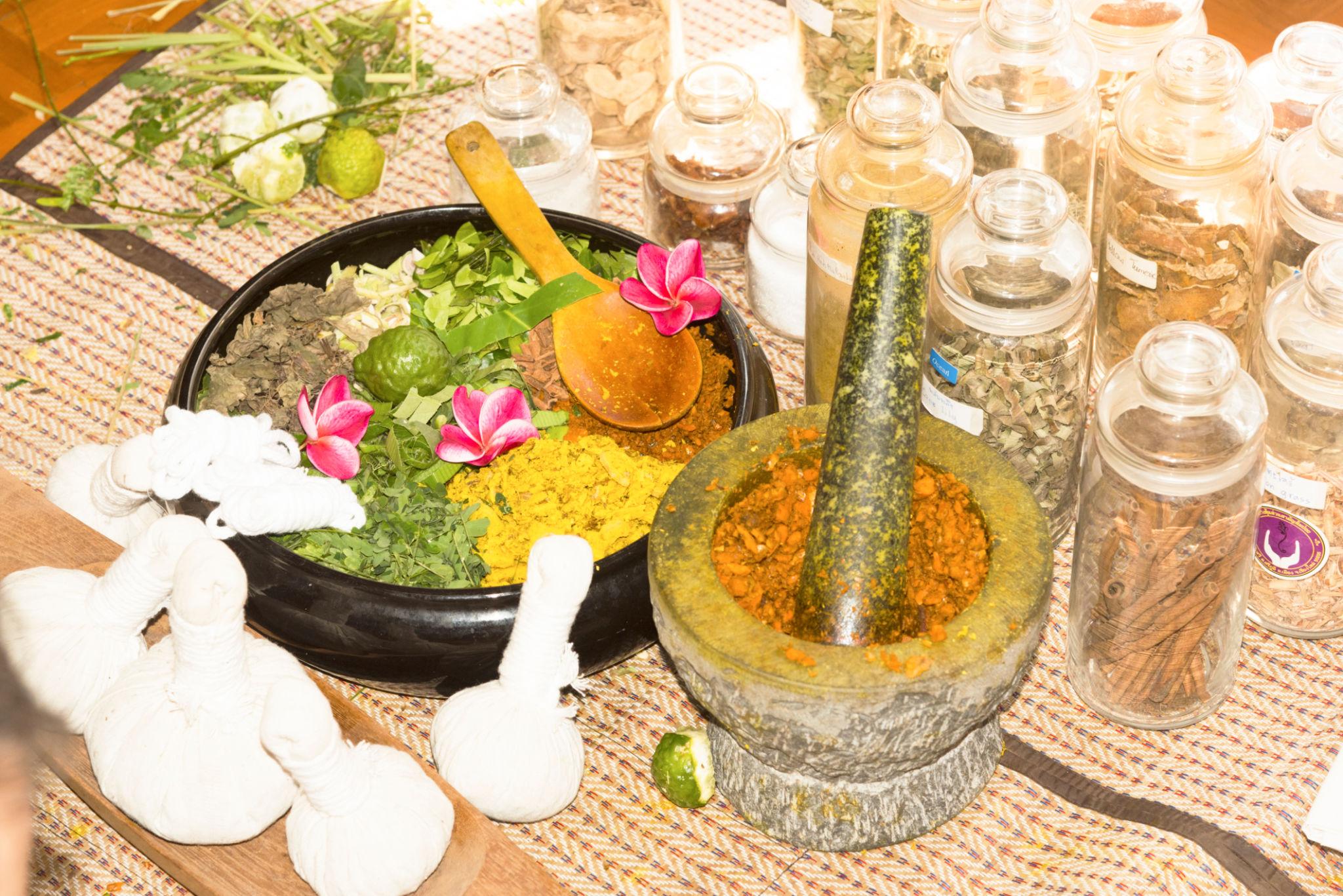
What distinguishes Ayurveda further is the rigor with which medicines are prepared. Classical texts such as the Sharangdhar Samhita lay down detailed procedures for sourcing, processing, and administering medicinal substances. The timing of herb collection, the geographical conditions in which they grow, and even the season of harvesting are considered critical. Some formulations lose potency within months, while others become more effective with age. This level of precision reflects a system where efficacy depends on strict adherence to method rather than approximation.
However, the realities of modern production have altered this approach. The rapid expansion of the Ayurvedic market, driven by increasing demand for natural and traditional remedies, has led to large-scale manufacturing. While this has improved accessibility and visibility, it has also introduced pressures of cost efficiency, scalability, and competition. In this environment, compromises often occur. Raw materials may be sourced in bulk without adequate verification of quality or origin. Processing methods may be shortened to meet production timelines. Storage conditions may not always preserve the medicinal properties of ingredients. As noted in the source , there is often little clarity on whether the herbs used in commercial products meet the standards prescribed in classical texts.
The consequences of these compromises are increasingly visible. Patients who turn to Ayurvedic medicines with expectations of relief sometimes encounter inconsistent or ineffective outcomes. When results do not match expectations, the credibility of the entire system is questioned, even though the underlying issue may be the quality of the product rather than the science itself. Over time, this creates a trust deficit that is difficult to repair.
Another significant impact of commercialization is the marginalization of traditional practitioners. For generations, local vaidyas practiced Ayurveda with a deep understanding of herbs, local ecosystems, and patient-specific treatment. Their approach was inherently personalized, aligning closely with classical principles. However, the dominance of branded products and over-the-counter availability has reduced reliance on such practitioners. This shift not only affects livelihoods but also risks the loss of valuable knowledge that has been preserved through oral and practical traditions.
The regulatory framework for Ayurvedic products exists, but its implementation remains uneven. While guidelines such as Good Manufacturing Practices are in place, enforcement is not always consistent across manufacturers. Additionally, there is a need for stronger integration of modern scientific validation with traditional knowledge. Evidence-based research can help reinforce Ayurveda’s credibility, particularly in a global context where scientific validation is increasingly important.
At the same time, it is essential to recognize that Ayurveda has always evolved through observation and adaptation. The challenge today is not modernization itself, but the manner in which it is being pursued. If modernization leads to dilution of principles, the system risks losing its identity. If, however, it is guided by the core values of accuracy, authenticity, and patient-centric care, Ayurveda can continue to remain relevant and effective.
Ultimately, Ayurveda’s strength lies in its integrity. It is a system built on trust—trust in nature, in knowledge, and in the practitioner’s commitment to method. When that trust is compromised by unchecked commercialization, the consequences extend beyond individual products to the credibility of the entire system. India today stands at a critical juncture where it must decide whether Ayurveda will remain a disciplined science rooted in its classical foundations or become a market-driven label. The future of this ancient medical tradition will depend not on how widely it is marketed, but on how faithfully it is practiced and preserved.











[[comment.comment_text]]