Workshop on Mission Vatsalya Held Under the Chairmanship of Commissioner

 1 year, 10 months ago
Collective Efforts Essential to Protect Children's Rights: Hari Kumar Kesari
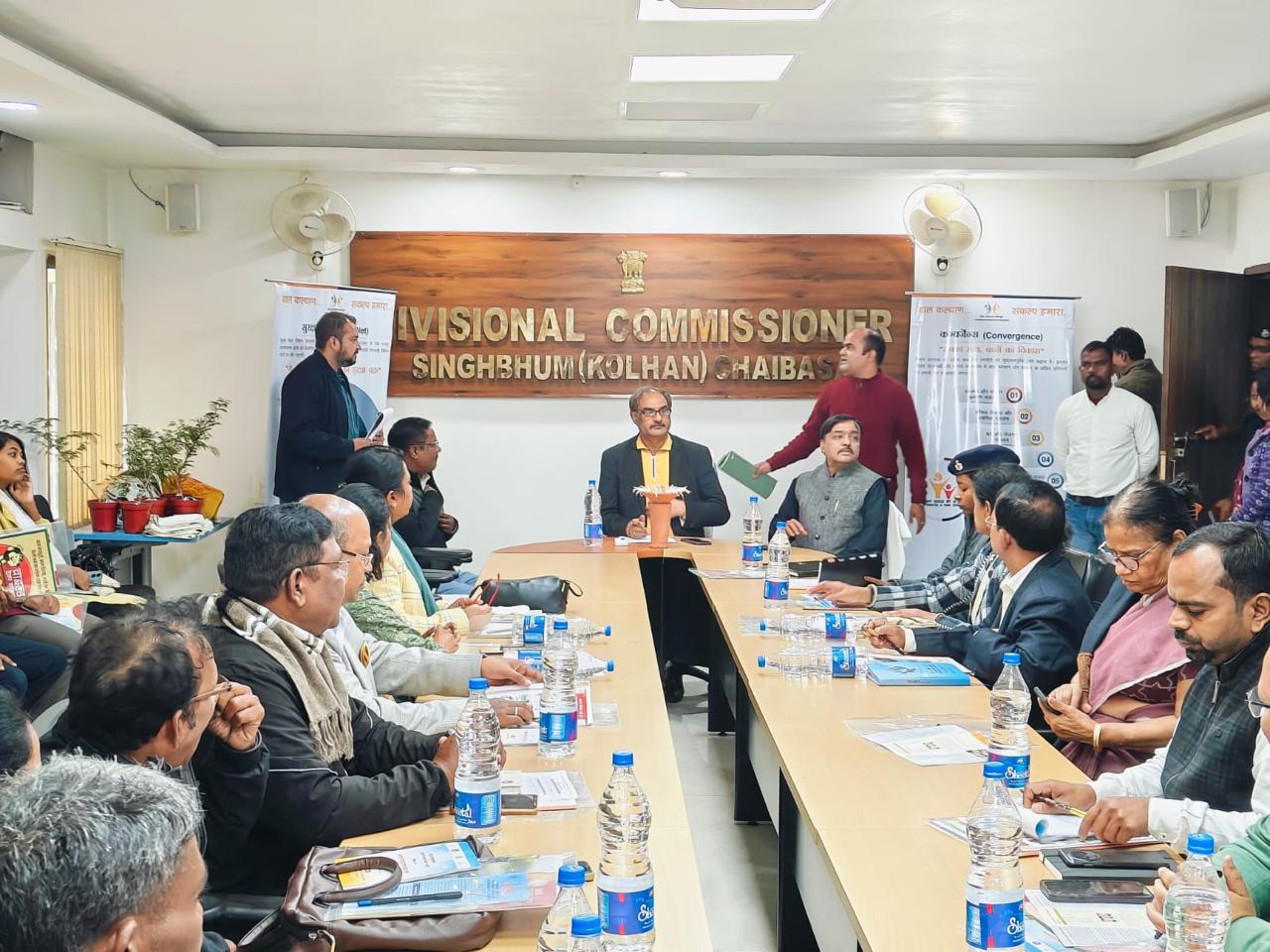
EW Correspondent Chaibasa: A consultative workshop under the Mission Vatsalya initiative of the Government of India was successfully conducted at the Kolhan Division Commissioner Auditorium. The second phase of these workshops, organized by the Child Welfare Association at the divisional level across Jharkhand, focused on creating a sensitive ecosystem for child protection and development. The event was inaugurated by Kolhan Commissioner Hari Kumar Kesari and Jharkhand State Commission for Protection of Child Rights member Vikas Dodrajka by lighting the ceremonial lamp. Highlighting the significance of Mission Vatsalya, Commissioner Kesari described it as a vital step towards building a "Vatsal Bharat," offering secure and dignified lives to orphaned children, victims of human trafficking, child laborers, and nomadic children. He lauded the Child Welfare Association's efforts and stressed that while policies and programs are essential, their effective implementation requires community awareness and collaboration. He emphasized the critical role of child protection committees and local institutions in ensuring children's rights and preventing neglect or violence against them. Guest speaker Vikas Dodrajka underscored the collective responsibility to ensure that Mission Vatsalya benefits every needy child. He praised the association's work and emphasized the need for widespread promotion of the initiative to combat issues such as child trafficking, exploitation, malnutrition, and child labor. Participants included social welfare officers, child protection officials, labor department representatives, NGO members, and Child Welfare Association workers from all three districts of Kolhan Division. The discussions focused on the challenges in linking children to social security schemes and the need for coordinated efforts to strengthen child protection systems at the district level. Labor Superintendent highlighted the importance of awareness campaigns to eradicate child labor, while social welfare and child protection officers stressed the need for resources and training for effective implementation of child safety programs. Vishnu from the Miracle Foundation elaborated on the action plan under Mission Vatsalya, calling it a revolutionary step toward protecting children's rights. Child Welfare Association representatives Anjan Kumar and Khudiram Tudu played key roles in organizing the workshop, which ended on a positive note with a commitment to collective action for child welfare.




[[comment.comment_text]]