Palamu's Struggles Persist as Irrigation Projects Remain Incomplete

 2 years, 4 months ago

Sanjay Kumar Pandey
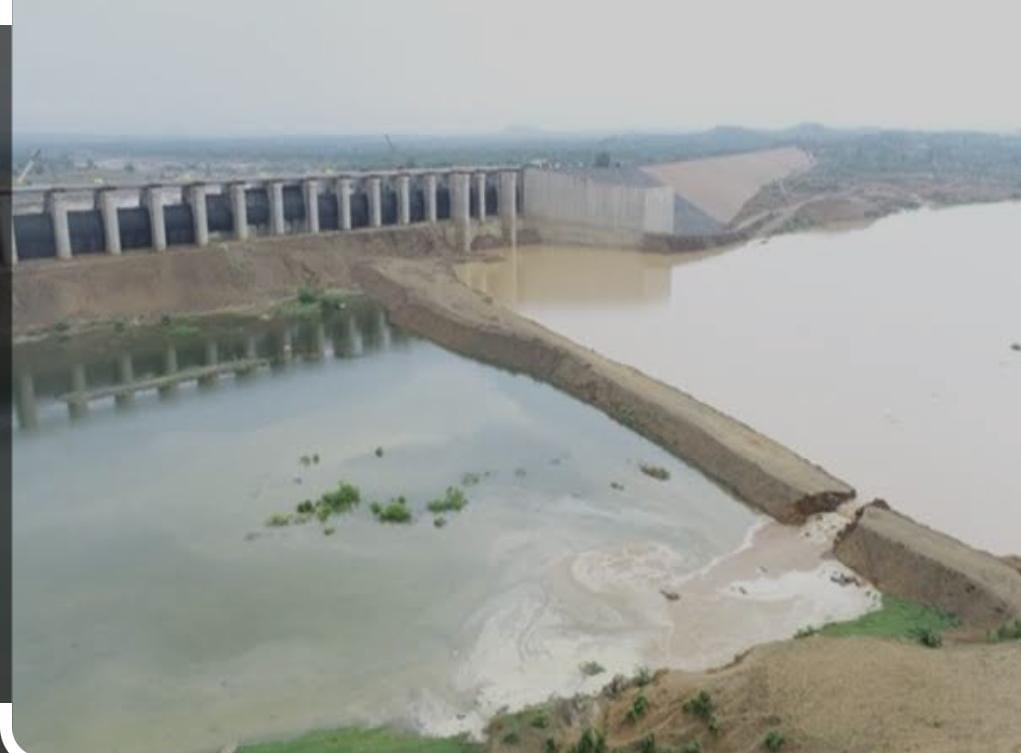
Ranchi, EW News : The Palamu division of Jharkhand continues to grapple with drought and famine. The region is historically known for severe droughts in the years 1942, 1947, 1962, 1967, 1971, and 1993. To address the chronic drought situation, several irrigation projects were initiated to bring about a green revolution in the area. However, these projects have largely failed to materialize on the ground.
Despite a significant portion of the population being engaged in agriculture, and the presence of numerous agricultural laborers, the lack of proper irrigation facilities has hindered farmers from reaping expected benefits. The region does produce a variety of crops such as pigeon pea, black gram, lentils, and peanuts, but irrigation remains a critical issue. Government statistics show extensive agricultural activity, yet the recurrent droughts devastate farmers' livelihoods.
Since independence, numerous small and medium-sized dams have been constructed in Palamu and Garhwa districts. Unfortunately, these resources are heavily dependent on monsoon rains. Data from 1954-55 to 1964-65 lists several irrigation schemes, such as the Sadawah Weir Scheme and Dadhi Weir Scheme in Daltonganj, and schemes like Annaraj, Banki, and Shivpur Weir Schemes in Garhwa, and Choka and Ghaghari Weir Schemes in Latehar. These schemes initially provided some relief to the drought-stricken population of Palamu, but the relief was short-lived due to incomplete and hurried execution under political pressure.
The rush to start these projects without proper surveys and planning resulted in their failure to achieve their intended goals. Many projects were declared complete despite significant work remaining unfinished. Key infrastructure such as canals and branch canals were not constructed as planned, leaving the projects ineffective.
Even 24 years after the formation of the state, irrigation projects in Palamu division have yet to be fully implemented. The hurried and politically pressured initiation of these projects has left the region's irrigation needs unmet, continuing the cycle of drought and agricultural distress in Palamu.






[[comment.comment_text]]