CM Hemant Soren Directs Health Circuit Development Across Hospitals

 1 year, 8 months ago
Sanjay Pandey
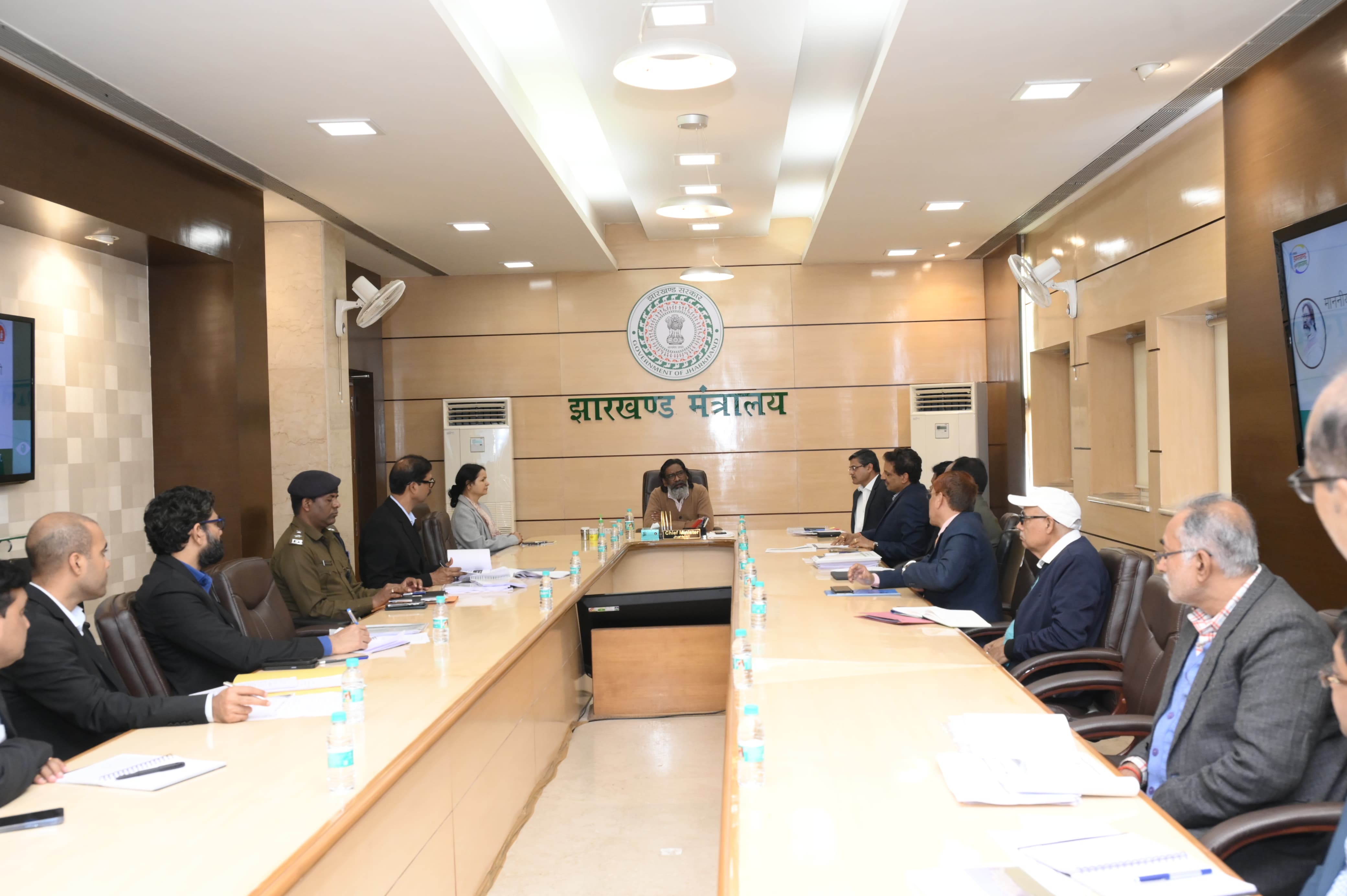
EW News Ranchi: Chief Minister Hemant Soren has directed the creation of a "Health Circuit" connecting all medical colleges, hospitals, and district hospitals in the state. The initiative aims to facilitate the seamless transfer of patients between hospitals as needed, reducing the burden on any single institution. The Chief Minister emphasized the importance of providing robust medical facilities across all hospitals during a high-level review meeting with the Health, Medical Education, and Family Welfare Departmen CM Soren instructed officials to ensure that all government hospitals in the state function 24×7. He emphasized the availability of doctors and paramedical staff at all times to handle patient needs effectively. To enhance healthcare delivery, the CM directed the deployment of specialist doctors in district hospitals. He also stressed improving community health centers to reduce unnecessary patient referrals to larger medical colleges. Strengthening Hospital Management: Highlighting frequent complaints of mismanagement, CM Soren called for professional management practices in hospitals to streamline operations and improve patient experiences. He also encouraged the use of modern equipment while phasing out outdated machinery. Focus on Kidney and Cancer Care: The CM proposed advancing peritoneal dialysis facilities, enabling kidney patients to manage treatment at home. He urged creating a comprehensive database for cancer patients to facilitate targeted interventions and improve treatment outcomes. Operationalizing New Medical Colleges: The CM reviewed the progress of five new medical colleges and stressed their prompt operationalization to alleviate pressure on existing facilities like RIMS (Rajendra Institute of Medical Sciences). Improvements at RIMS: CM Soren emphasized upgrading RIMS facilities, including launching the Regional Eye Institute by February next year. He suggested relocating recovering patients needing nursing care to district hospitals to free up RIMS' resources. Strengthening security and removing encroachments on the RIMS campus were also prioritized.
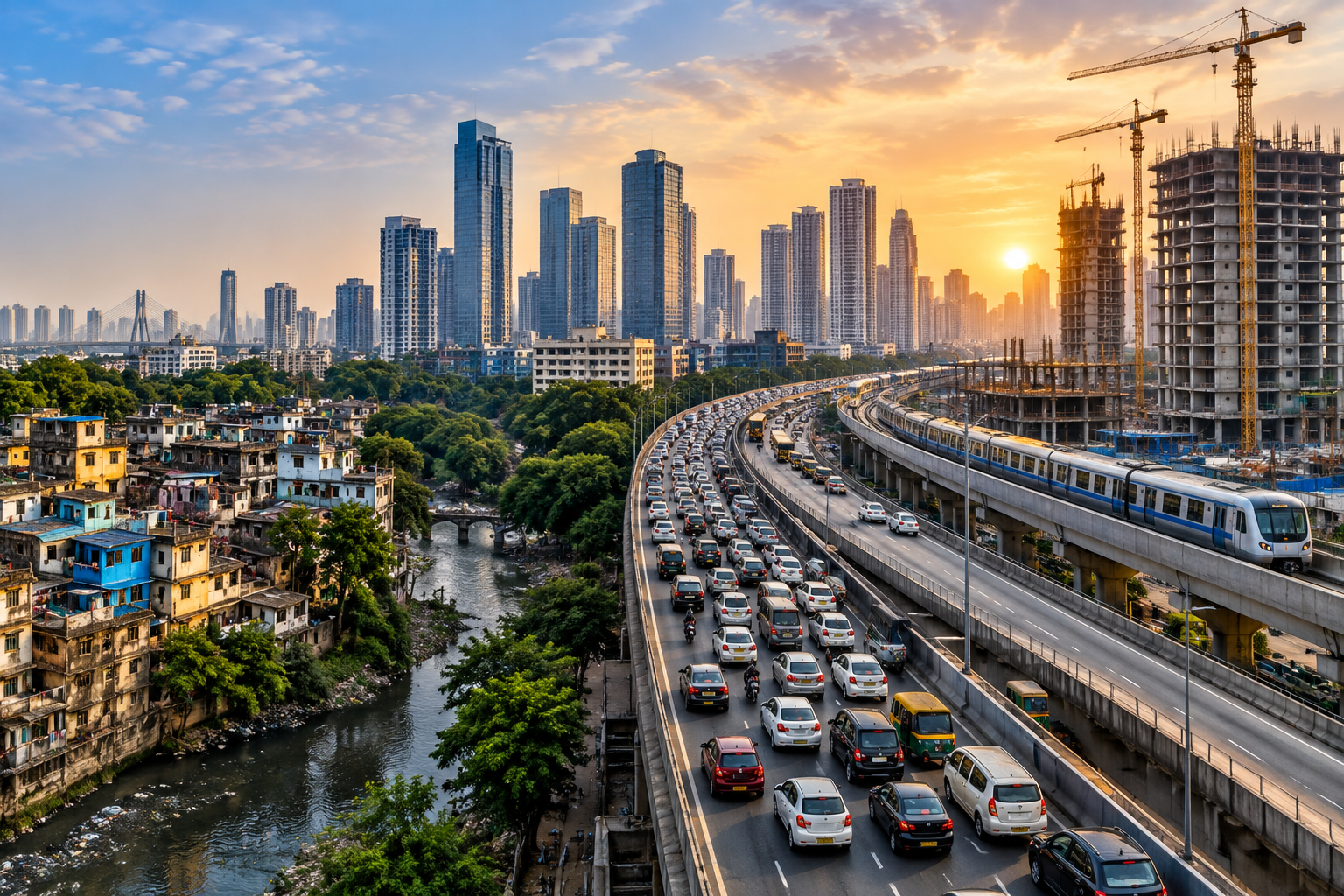
During a separate meeting, CM Hemant Soren discussed Ranchi's redevelopment plan, focusing on traffic decongestion and beautification. He instructed officials to prioritize the city's cleanliness, remove encroachments, and enhance street lighting. A presentation highlighted new flyover and ring road projects aimed at improving urban mobility. Directives for Ranchi’s Development: Expedite road repairs, widening, and maintenance. Ensure regular cleanliness and prevent garbage accumulation on streets. Promote tree plantation along road dividers instead of concrete barriers. Launch campaigns for a cleaner and greener Ranchi with community involvement. Acknowledging the winter season, CM Soren instructed arrangements for bonfires at public spots and the distribution of blankets to the needy. The meetings were attended by top officials, including Chief Secretary Alka Tiwari, Principal Secretary Avinash Kumar, and other senior department heads. The government reiterated its commitment to providing superior healthcare services within the state and developing Ranchi as a model smart city.



[[comment.comment_text]]