Rising Prospects of Peace in the Middle East

 an hour ago
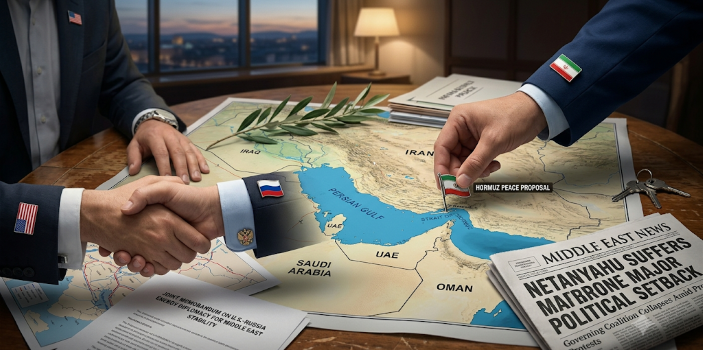
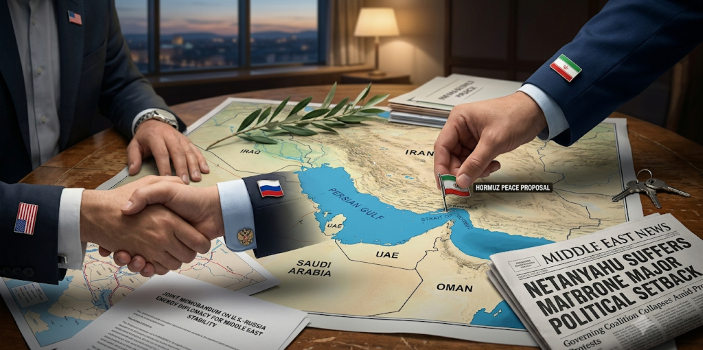
The global geopolitical landscape is undergoing a profound structural recalibration as economic reality collides with hardline militarism. In Tehran, the Iranian foreign ministry's conditional proposal to restore navigation in the Strait of Hormuz within forty-eight hours marks a pivotal juncture in the Persian Gulf crisis. For months, the military blockade of this vital energy transit corridor—enforced following joint U.S.-Israeli strikes—has sent shockwaves through energy markets and pushed crude prices past unsustainable thresholds. While Washington continues to brandish coercive rhetoric, the tangible economic fallout is severely testing the feasibility of endless brinkmanship, signaling that the strategic math behind global power projection is rapidly changing.
Concurrently, domestic political realignments in the region are dismantling the ideological foundations of prolonged conflict. The recent parliamentary defeat of Benjamin Netanyahu’s governing coalition in Israel removes the primary institutional driver of maximalist military policy. For years, the entrenched hardline consensus in West Jerusalem foreclosed diplomatic avenues, prioritizing existential escalation over negotiated settlements. With the collapse of that far-right coalition mandate, long-hardened attitudes across the Middle East possess a genuine opportunity to soften. A post-Netanyahu political landscape opens space for pragmatic dialogue, allowing regional states and international mediators to construct durable security frameworks that were previously discarded under Netanyahu's aggressive posture.
This regional thaw is mirrored by a remarkable shift in big-power diplomacy, where mounting economic pressure is forging an unexpected alignment between Washington and Moscow. The sharp rise in world oil prices and global inflation has forced Washington to confront the limits of unilateral economic warfare. Despite Congress passing the Lindsey O. Graham Sanctioning Russia and Iran Act of 2026 to codify strict punitive measures, the White House’s executive decision to issue waivers on Russian sanctions and energy restrictions demonstrates that economic survival overrides congressional posturing. By sanctioning the flow of Russian oil and fuel products back into global supply chains to stabilize markets, the Trump administration has tacitly signaled a pragmatic rapprochement with Moscow—putting economic stability above ideological rigidity.
These converging trends indicate that warmongers and uncompromising neoconservative strategists are steadily losing their credence within and around the White House. The sheer weight of global energy vulnerability has exposed the bankruptcy of relying solely on military aggression and perpetual sanctions. When crude oil prices dictated domestic stability, the hawkish faction's default playbooks yielded diminishing returns. The willingness of U.S. leadership to issue statutory waivers and consider diplomatic channels via Qatari mediators underscores an unmistakable reality: the political and financial cost of total confrontation has become prohibitively high, even for the world's primary superpower.
The confluence of Israel's internal political shift, U.S.-Russia pragmatic energy management, and Iran's structured diplomacy creates an unprecedented window for global de-escalation. While complex issues surrounding sanctions relief and nuclear assurances remain unresolved, the fundamental dynamics have changed. As militaristic rhetoric gives way to raw economic imperatives, the international community stands at a rare threshold where peace is no longer merely a moral aspiration, but an urgent economic necessity for global stability.







[[comment.comment_text]]