The Mirage of ‘Atoms for Peace’: How Nuclear Hedging Is Reshaping West Asia

 2 months, 2 weeks ago
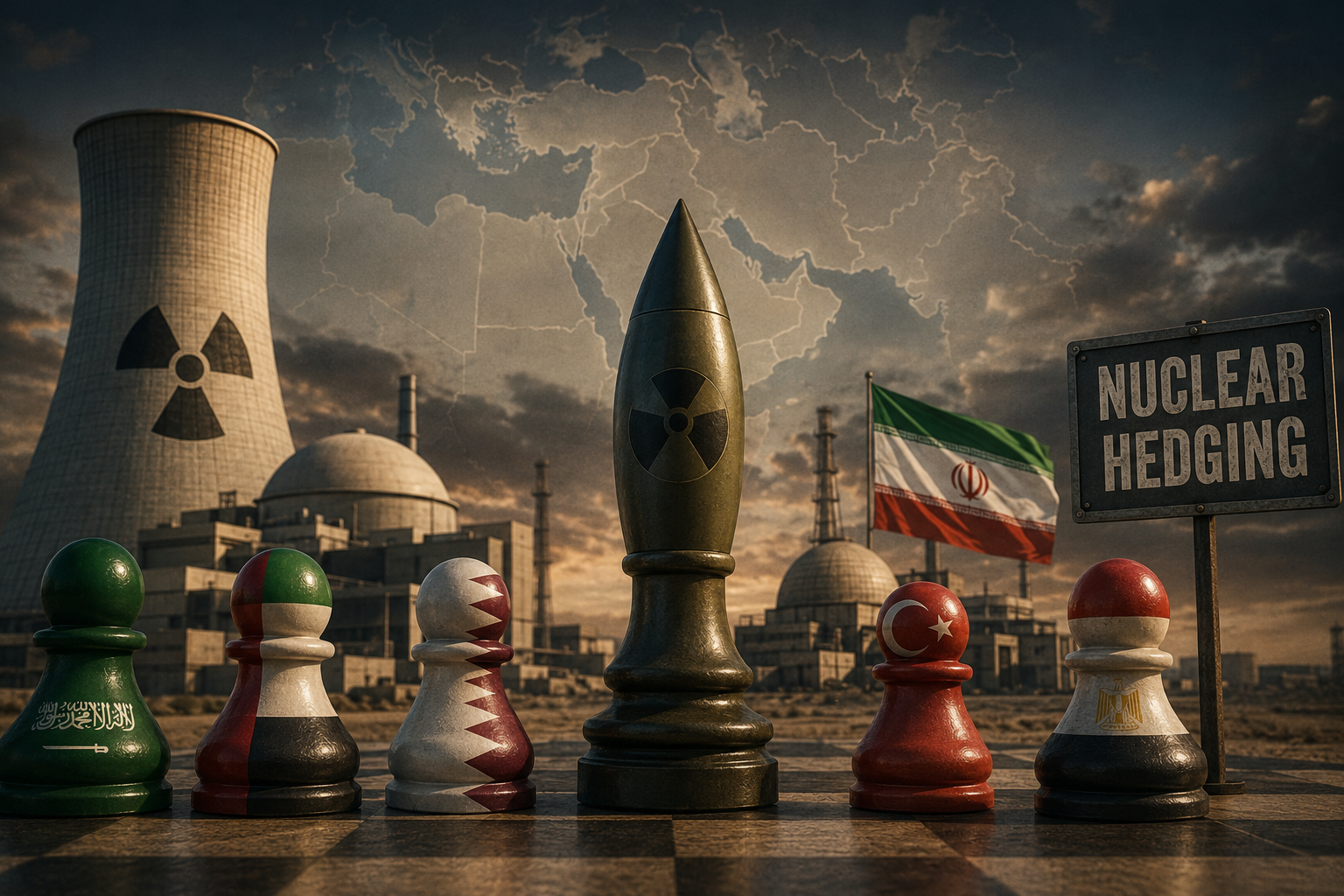
Back in 1953, while addressing the United Nations, American President Dwight D. Eisenhower offered the world access to civilian atomic technology under the hopeful banner of "Atoms for Peace." The initiative envisioned converting the destructive potential of the atom into a force for global prosperity and international trust. Seven decades later, as nuclear ambitions expand across West Asia and the Arab world, that early optimism has given way to a far more cynical strategic posture: nuclear hedging. Across the Middle East, nations are seeking civilian nuclear infrastructure not merely for energy, but as a critical sovereign insurance policy against an unpredictable future.
At the core of this shift is the fading reliability of traditional security umbrellas and the intense regional rivalry with Iran. For decades, Gulf nations relied heavily on implicit defense guarantees from the United States. However, unpredictable geopolitical shifts have led regional capitals to conclude that external guarantees may no longer hold during a crisis. With Iran's advanced enrichment capabilities and shortened breakout timelines, leaders like Saudi Arabia’s Crown Prince Mohammed bin Salman have made their calculus explicit: if Tehran acquires a nuclear weapon, rival states will feel compelled to follow suit, turning civilian reactors into springboards for rapid deterrence.
Adding to these regional anxieties is a troubling dilution of international nonproliferation standards. Historically, civil nuclear agreements enforced a "gold standard" that barred partner nations from domestic uranium enrichment and required rigorous International Atomic Energy Agency (IAEA) inspections. Today, commercial interests and foreign policy dealmaking have created a climate where major powers are increasingly willing to negotiate concessions for favored partners. Allowing exemptions on fuel-cycle technologies erodes global guardrails, leaving the line between peaceful power generation and weapons-grade capability dangerously thin.
This dangerous trend is further accelerated by intense competition among global nuclear exporters. Powerhouses like Russia and China are aggressively marketing their reactor technologies across the region with few nonproliferation conditions attached. When Western nations attempt to insist on strict nonproliferation benchmarks, buyer states can simply leverage alternative offers from Moscow or Beijing. This market dynamic leaves Western nations with a risky dilemma: loosen nonproliferation standards to retain influence, or risk ceding critical geopolitical and commercial footholds to global rivals.
The inevitable outcome of widespread nuclear hedging is a cascading regional arms race among "threshold" states. If one country secures fuel-enrichment capabilities or inspection exemptions, neighbors like Turkey or Egypt may feel pressured to expand their own nuclear programs to avoid being left at a strategic disadvantage. Treating nuclear technology as a transactional bargaining chip threatens to unravel decades of nonproliferation progress. To prevent West Asia from falling into a fragile state of mutual suspicion and potential conflict, global powers must prioritize strict, universal oversight over short-term political and economic gains.








[[comment.comment_text]]