A Generational Reset in the Himalayas and the India-Nepal Ties

 19 minutes ago
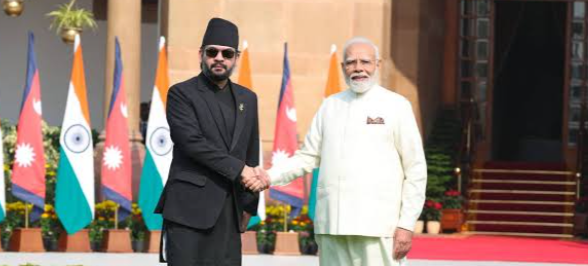
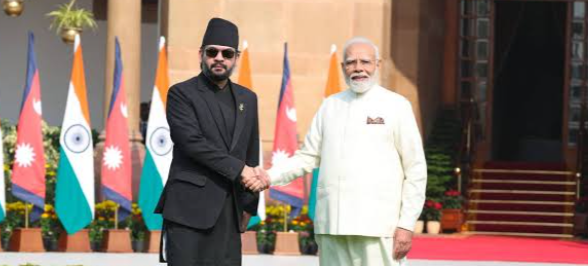
Nepalese Prime Minister Balendra "Balen" Shah’s maiden State Visit to New Delhi marks a decisive turning point in South Asian diplomacy. By breaking with the recent precedent of communist predecessors who prioritized Beijing, the 36-year-old leader has sent an unmistakable geopolitical signal that Nepal’s immediate economic recovery and developmental aspirations are anchored in its partnership with India. In a neighborhood where shifting alignments have frequently tested New Delhi’s influence, Shah’s "India-first" outreach—following a historic, youth-led electoral mandate—replaces ideological posturing with clear-eyed pragmatism, offering both capitals a rare window to rebuild deep strategic trust.
Crucially, this diplomatic reset is tailored to the aspirations of a restless Gen Z electorate demanding jobs, modern skills, and digital mobility rather than recycled political rhetoric. Moving beyond traditional statecraft, the newly adopted "Viksit Bharat and Samunnat Nepal" vision puts human capital and future-ready ecosystems at the center of bilateral ties. Plans to establish an offshore IIT Kanpur campus in Nepal, expand cross-border UPI digital payments, and build joint IT parks and Special Economic Zones directly address Kathmandu’s domestic imperative to curb unemployment and integrate its youth into regional digital and manufacturing supply chains.
Backing this vision is India’s largest-ever development cooperation package for Nepal, an ambitious ₹15,000 crore ($1.6 billion) commitment that balances immediate humanitarian relief with long-term structural integration. The ₹3,500 crore grant—alongside institutionalizing real-time hydro-meteorological data sharing and early-warning systems—reaffirms India’s role as Kathmandu’s vital first responder following the catastrophic August 2026 floods. Simultaneously, the ₹11,500 crore line of credit, paired with tangible milestones such as the Saryu-Kamala Express, the Lower Arun Hydropower Project, petroleum pipelines, and in-principle approval for bidirectional air routes at Bhairahawa, demonstrates a mature focus on hard connectivity and mutual economic gain.
Perhaps the strongest sign of diplomatic maturity is how both sides handled thorny historical baggage without letting it derail momentum. By agreeing to constructively review and update the 1950 Treaty of Peace and Friendship alongside trade and transit pacts, New Delhi has acknowledged Kathmandu’s contemporary sovereign aspirations. At the same time, consigning the long-stalled 2018 Eminent Persons Group report to the past while keeping sensitive territorial disputes and Gorkha recruitment issues out of the public crossfire shows a shared determination to prevent legacy deadlocks from holding regional prosperity hostage.
The November 2026 summit proves what becomes possible when civilizational kinship is paired with generational pragmatism. Geography and ecology bind the destinies of India and Nepal together, from shared Himalayan rivers to an open border. Yet, grand announcements and vision documents will only translate into enduring goodwill if backed by swift, sensitive execution on the ground. If New Delhi and Kathmandu deliver on these commitments with the urgency demanded by Nepal’s young electorate, this visit will stand not merely as a diplomatic reset, but as the moment bilateral ties truly entered the twenty-first century.





[[comment.comment_text]]