Controversial Special Revision Campaign of Election Commission

 1 year, 3 months ago
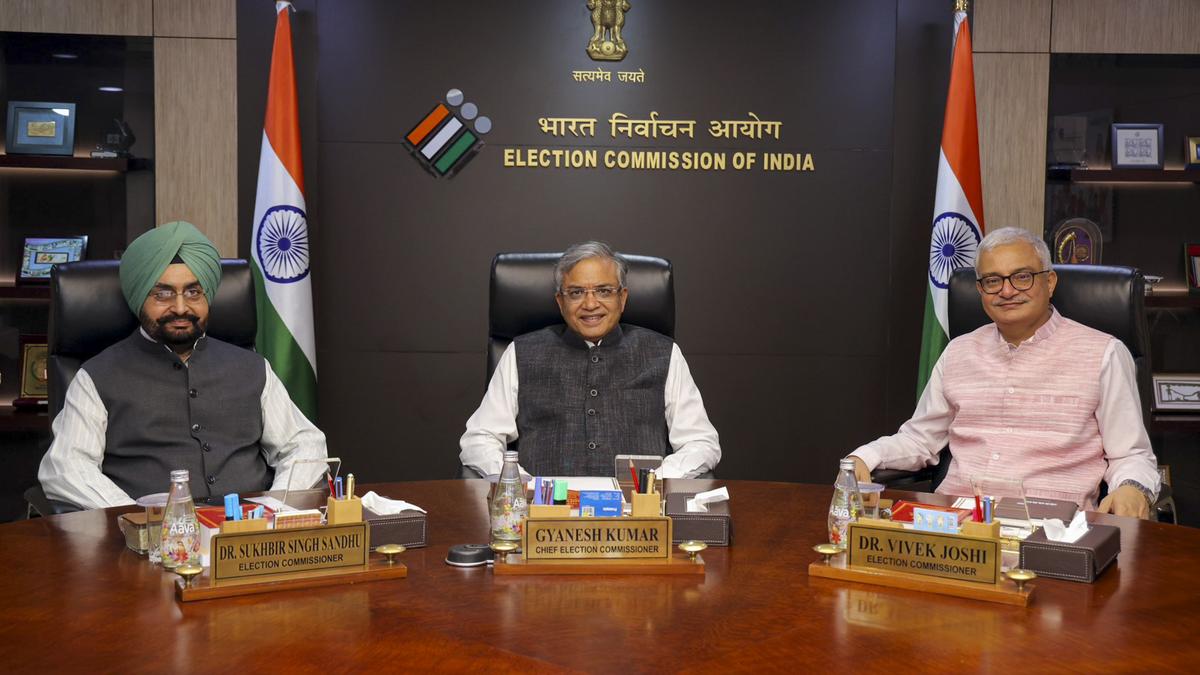
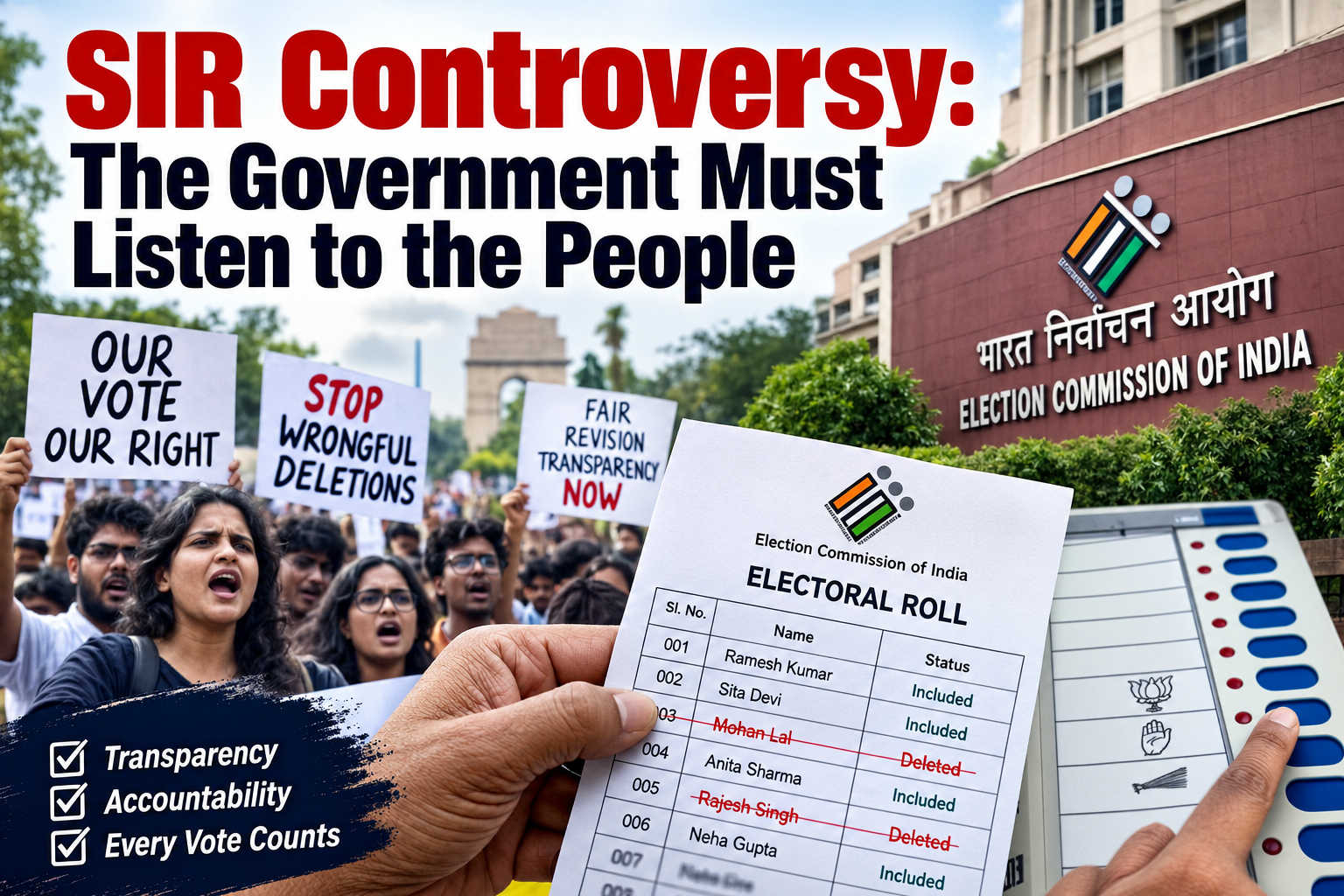
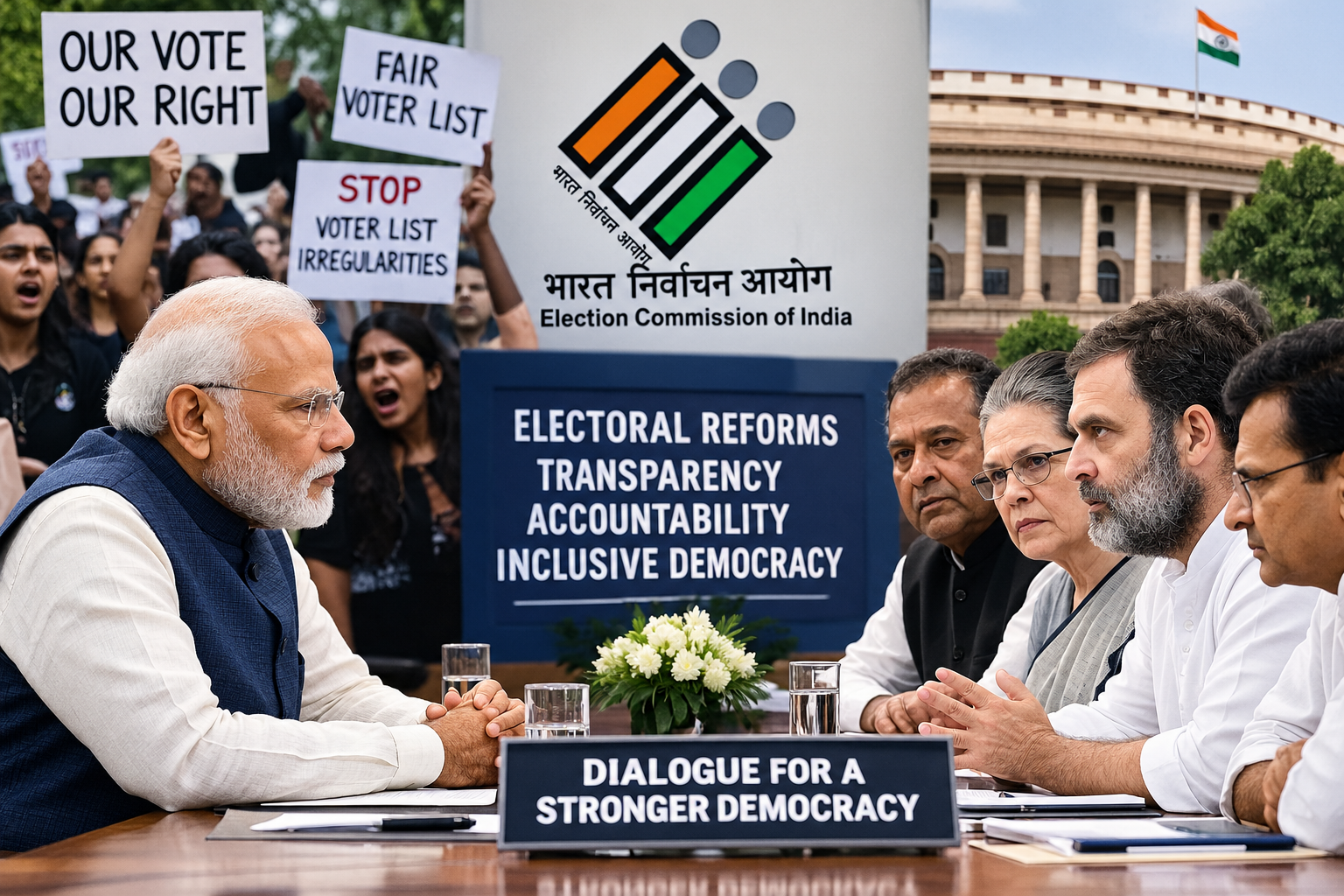
The Election Commission of India (ECI) has initiated a "Special Intensive Revision (SIR)" of electoral rolls in Bihar, just months before the upcoming assembly elections, sparking widespread controversy. Opposition parties and civil society groups are raising concerns about the timing of this intensive revision, arguing that undertaking such a massive exercise so close to elections could disrupt free and fair polls. The last intensive revision in Bihar was conducted in 2003.
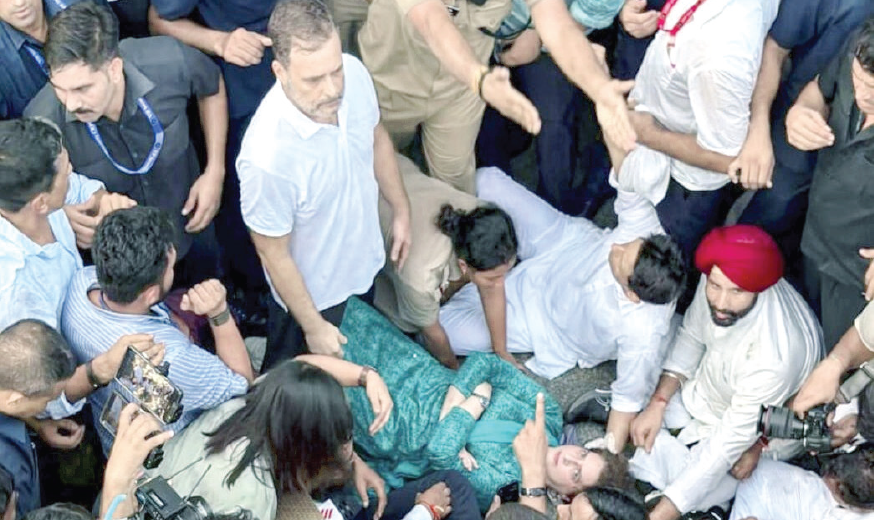
Critics, including the Association for Democratic Reforms (ADR), various opposition parties (Congress, RJD, TMC, DMK, SP, JMM, Left), and several independent political activists allege that the stringent documentation requirements and the short timeline for the SIR could lead to the disenfranchisement of millions of genuine voters, particularly from marginalized communities (SC, STs, migrant workers, the poor). Estimates suggest over a crore voters could be affected.
The SIR process requires voters to submit new forms and, in many cases, provide documents to prove citizenship and even citizenship of their parents. The exclusion of commonly accepted identity documents like Aadhar and ration cards from the list of accepted proofs has been heavily criticized, as many poor and rural voters may not possess the stipulated documents. This has shifted the onus of proving eligibility from the state to the citizens.
Opposition parties point out that a Special Summary Revision was already completed in Bihar between October 2024 and January 2025, raising questions about the necessity of another sweeping revision. The ECI maintains that the SIR is legally mandated and essential to ensure "electoral integrity," citing reasons like rapid urbanization, migration, young citizens becoming eligible, and non-reporting of deaths. They claim the process is progressing smoothly and that officials can also rely on field inquiries for inclusion of names. The ECI has also clarified that voters can submit documents even after initial forms, during the "claims and objections" period.
Multiple petitions have been filed in the Supreme Court challenging the validity of the SIR order, arguing that it violates constitutional provisions and fundamental rights. Petitioners include ADR, PUCL, Yogendra Yadav, and TMC MP Mahua Moitra. In essence, the controversy revolves around the potential for mass disenfranchisement due to the timing, strict documentation requirements, and perceived lack of transparency in the ECI's Special Intensive Revision of electoral rolls in Bihar. All said and done the massive disenfranchisement tends to hurt the opposition vote bank but will also affect sections of pro-government rural and urban middle classes.


[[comment.comment_text]]