Beyond the Resignation: The Government Must Tackle the Rot in India’s Exam System

 2 months, 2 weeks ago
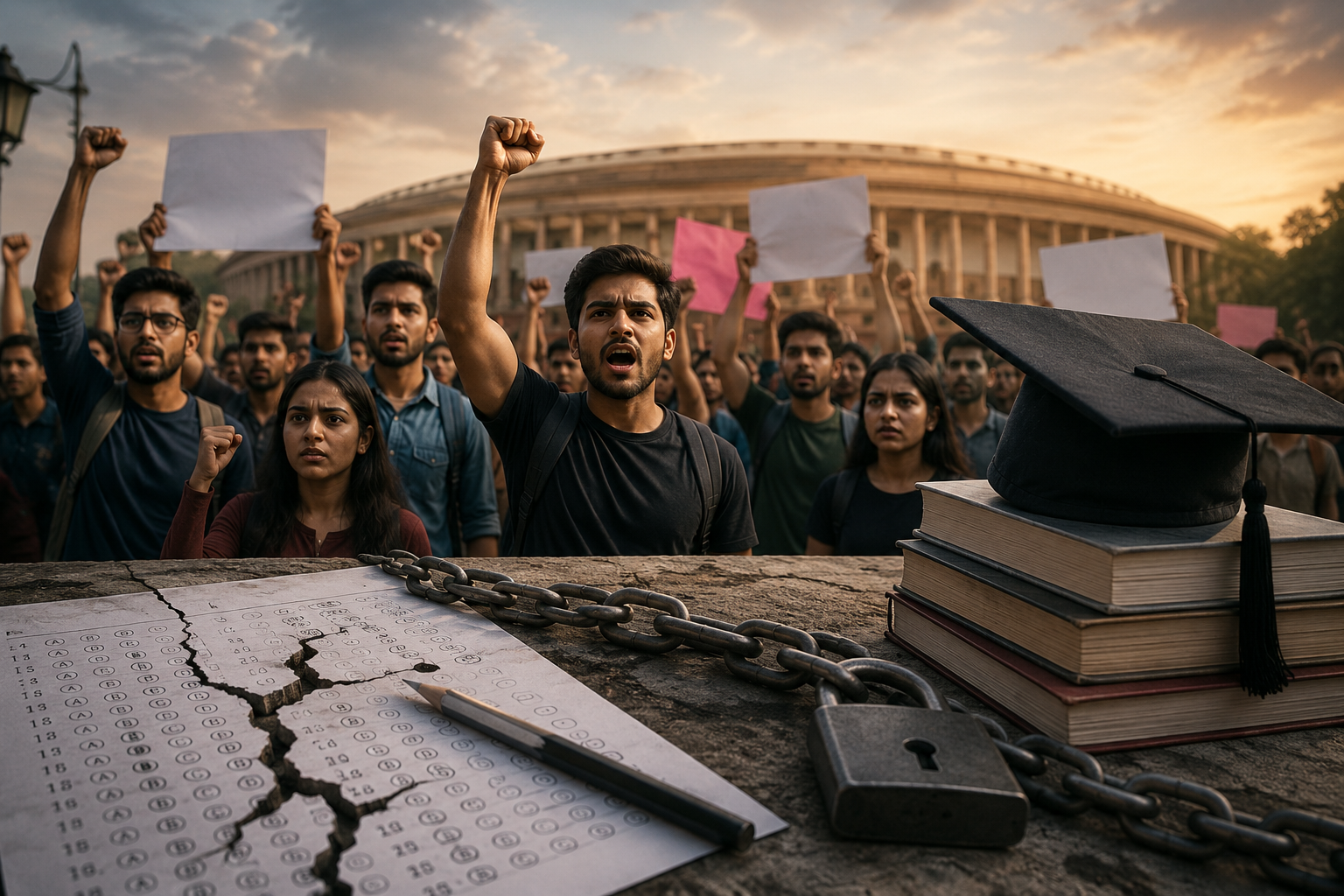
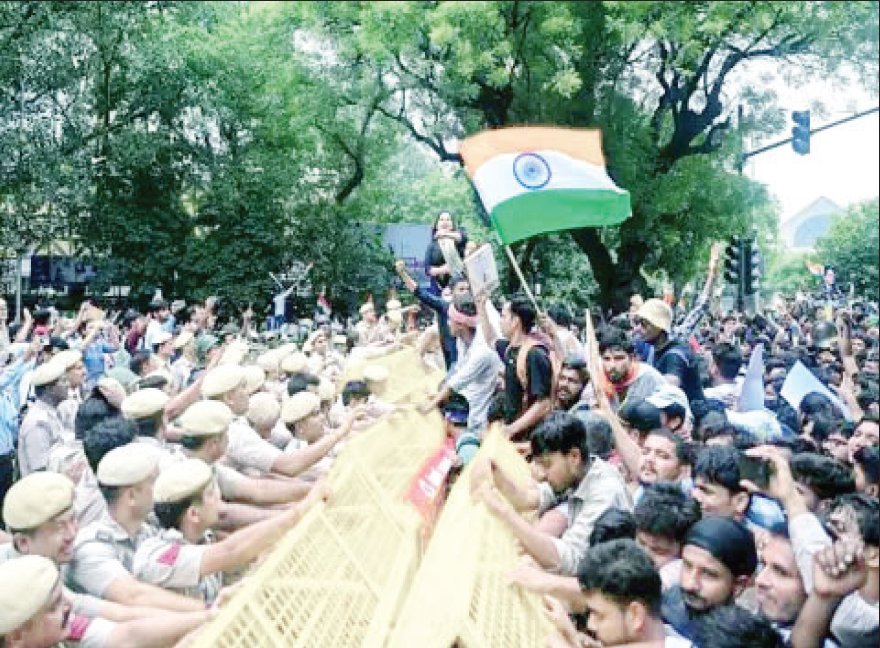
The recent pause in the youth-led "cockroach" movement following activist Sonam Wangchuk’s 26-day hunger strike must not be mistaken by the ruling dispensation for a permanent peace. While the immediate momentum of the Delhi demonstrations may seem temporarily subdued, the deep-seated rage among India’s youth remains entirely intact. The government’s request for time to respond to demands for the Education Minister’s resignation over recurring exam paper leaks is a critical juncture—one that will test whether the leadership understands the depth of this crisis or continues to misread the public pulse.
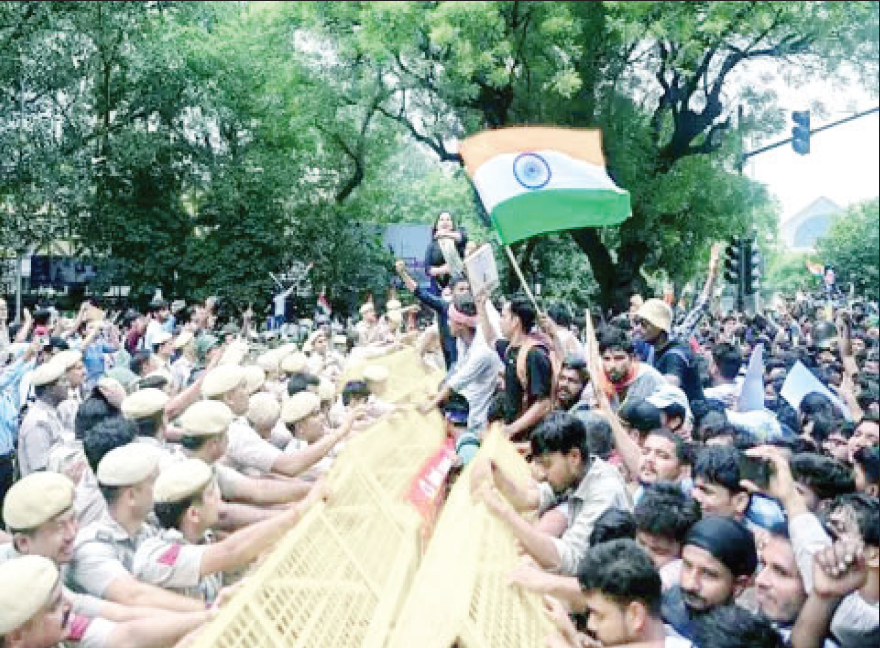
For years, paper leaks, rampant cheating, and corrupt examination syndicates have systematically compromised the meritocracy that millions of young Indians rely upon for social mobility. When tens of thousands of students converge on the national capital, it is not a routine political event; it is the physical manifestation of a generation’s broken trust. This moment presents a profound challenge not just to the Union Government, but also to the RSS, whose headquarters became a focal point of recent demonstrations. Postponing decisive action will only compound the political cost, inflicting severe damage on the government’s credibility among young voters.
Prime Minister Narendra Modi must take direct, visible against this institutional rot. Rather than allowing his administration to appear defensive or reliant on executive heavy-handedness, the PM needs to demonstrate true statesmanlike leadership by opening doors for genuine dialogue. Silencing peaceful demonstrators or resorting to delay tactics only reinforces perceptions of apathy. What is required now is empathy paired with a firm, unambiguous commitment to dismantling the entrenched "education mafia" that profits off the desperation of job-seekers.
To regain public trust, the government must come forward with a transparent, actionable blueprint detailing how it intends to overhaul the examination ecosystem. This requires robust institutional safeguards, stricter legal penalties for leak networks, and absolute transparency in testing agencies. Establishing independent oversight bodies with civil society representation could serve as a vital first step toward restoring faith in a broken administrative machinery.
The "cockroach" movement—named for the sheer resilience of a generation determined to survive systemic neglect—signals a fundamental shift in how young citizens demand accountability. If the government fails to offer substantive solutions, the current lull will prove to be merely the calm before a much larger political storm. The choice before the leadership is stark: treat this movement as a minor disruption to be managed, or recognize it as an urgent mandate for systemic reform.




[[comment.comment_text]]