The Exam That Tested the Government

 2 months, 2 weeks ago
Politics rarely rewards moral gestures unless they also serve a strategic purpose. The resignation of Union Education Minister Dharmendra Pradhan, presented as an act of accountability, appears to have been exactly that—a political decision shaped less by individual culpability and more by the government's recognition that it was confronting an electoral challenge unlike any it had faced in recent years. The issue was no longer confined to leaked examination papers or administrative failures. It had evolved into a crisis of trust, led by a generation that is increasingly difficult to ignore and even harder to politically classify.
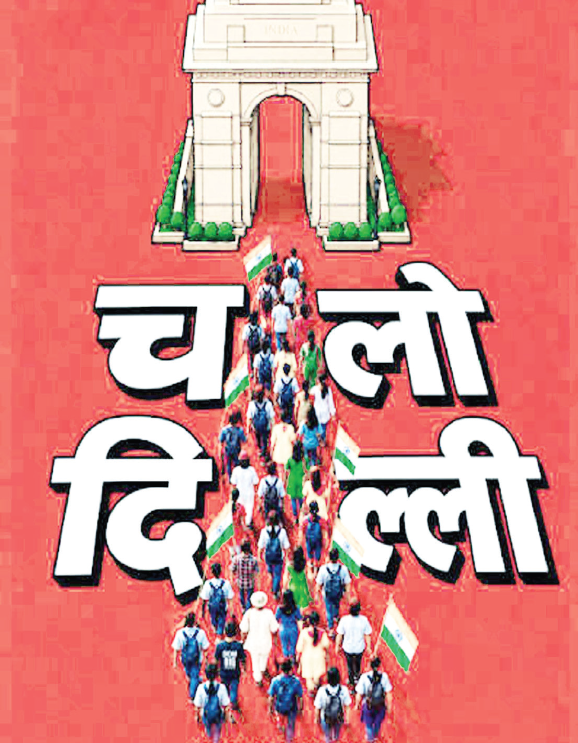
For weeks, the government held its ground. Ministers defended the examination system, investigations were announced, and assurances of reform were repeated. Yet the protests only intensified. What began as anger over irregularities in competitive examinations gradually transformed into a nationwide movement questioning the credibility of public institutions themselves. Every cancelled examination, every allegation of a paper leak, and every delayed investigation reinforced one unsettling message: merit alone was no longer enough.
The government could have continued treating the agitation as another temporary protest. Instead, it chose to negotiate, accepted the principal demand of the protesters by allowing Pradhan to resign, and quickly followed it with promises of legislative reforms. Such a sequence rarely unfolds without careful political calculation.
The most significant factor was not merely the protest itself but who was leading it.
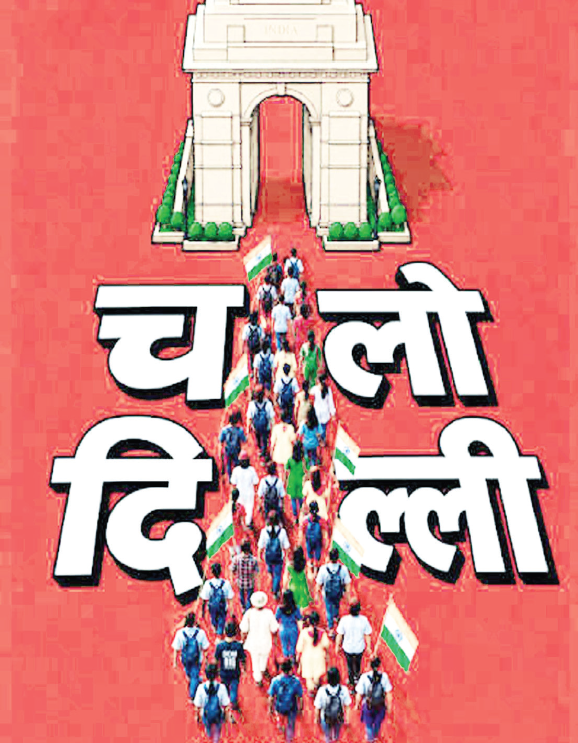
Unlike earlier student movements that were often rooted in regional politics, ideological organisations or campus unions, the agitation over examination irregularities united aspirants from every part of the country. Engineering students, medical aspirants, civil service candidates and unemployed graduates found themselves speaking the same language of frustration. Their identities were defined not by caste, religion or geography, but by a common experience of uncertainty. That made the movement politically dangerous.
For decades, Indian elections have largely revolved around social coalitions built around caste equations, regional aspirations or welfare delivery. The examination crisis disrupted that familiar arithmetic. It created an issue capable of cutting across traditional political divisions. A student in Bihar, Rajasthan, Tamil Nadu or Delhi preparing for the same competitive examination shared the same anxiety regardless of community or political affiliation.
This is precisely why the BJP could not afford to underestimate the movement.
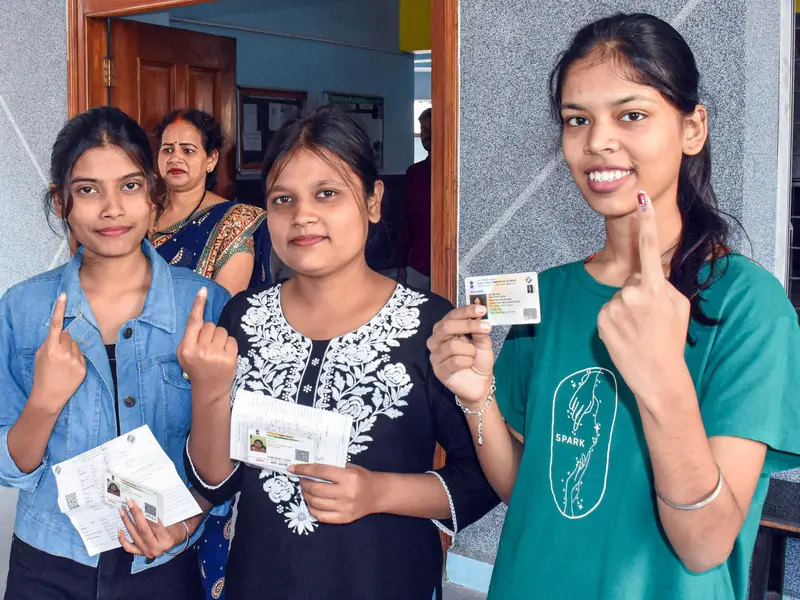
Generation Z is emerging as one of India's most influential electoral blocs. Unlike previous generations, its political engagement is shaped as much by smartphones as by public rallies. It consumes information instantly, organises digitally and creates narratives independent of traditional media or political structures. More importantly, it is deeply invested in education and employment because these are not abstract policy debates but personal life decisions.
For a government that has consistently projected itself as the architect of a "New India" driven by opportunity, innovation and youth empowerment, losing credibility among young aspirants carries risks beyond immediate political criticism. It threatens the very narrative on which much of its future electoral appeal rests.
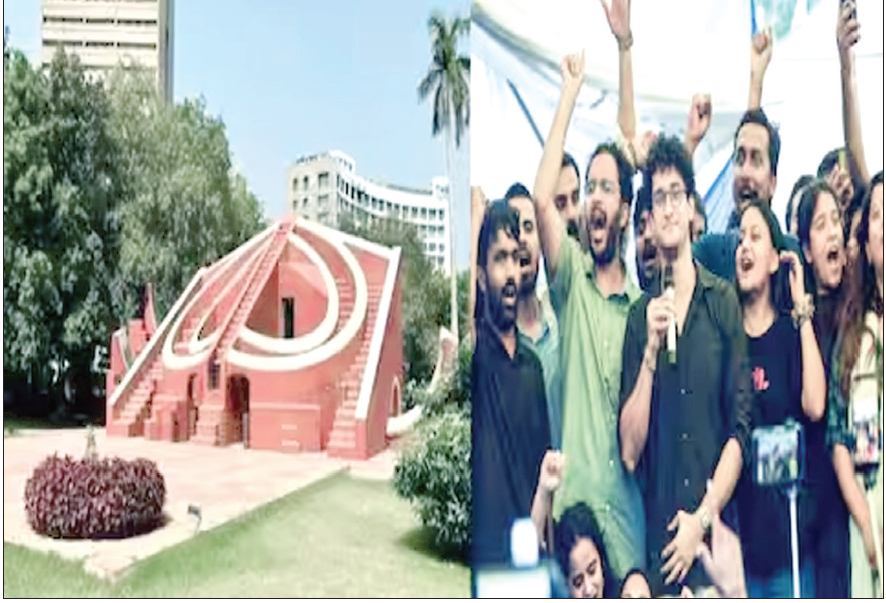
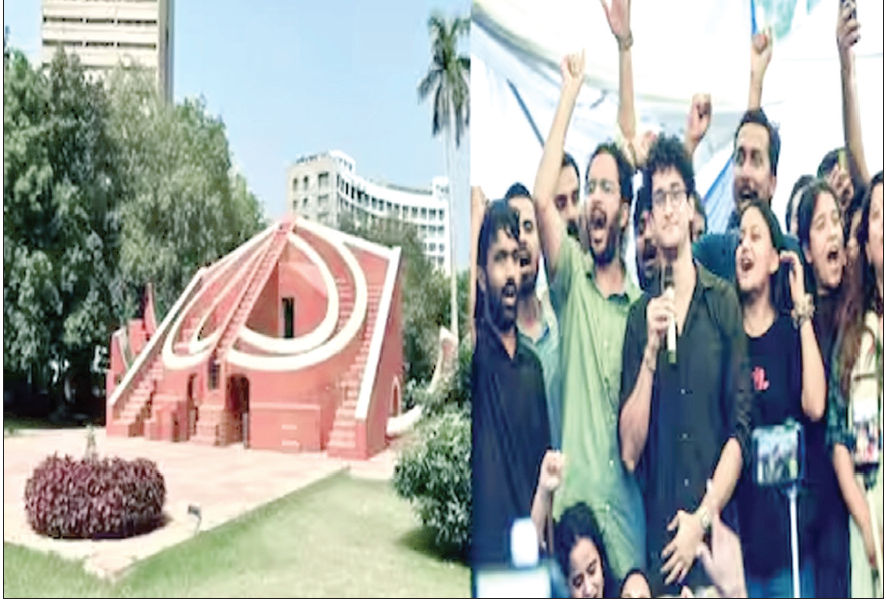
The rise of the Cockroach Janta Party (CJP) demonstrated another political reality that established parties can no longer ignore. Born as an internet satire, it evolved into a platform capable of organising sustained street protests and compelling the Union government to negotiate. Whether or not the organisation develops into a lasting political force is secondary. Its success illustrates how digital communities can now translate online outrage into real-world political pressure.
Equally significant was the government's security assessment. Prolonged student agitations have historically acquired momentum far beyond their original demands. From Gujarat's Nav Nirman Movement in the 1970s to the anti-corruption movement of the last decade, youth-led protests have repeatedly reshaped India's political landscape. Allowing demonstrations to continue indefinitely risked expanding the issue beyond examination reforms into a broader referendum on governance.
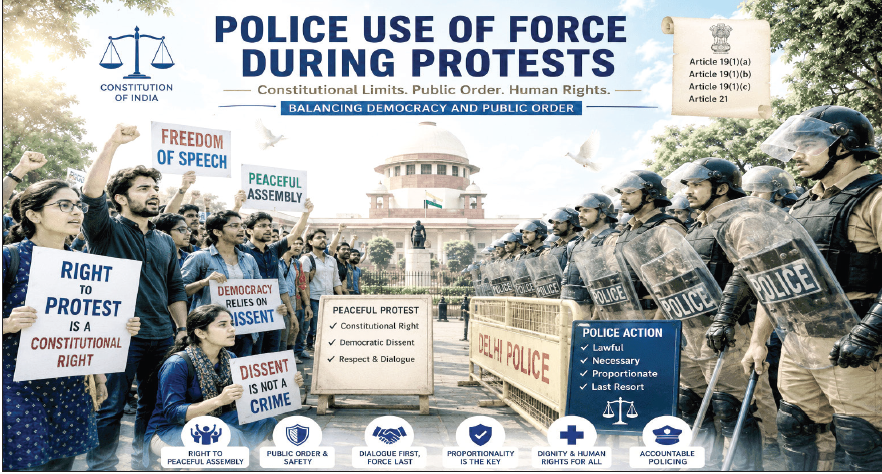
The timing added another layer of urgency. With several important state elections approaching, the BJP could ill afford headlines dominated by images of protesting students, police confrontations and growing public sympathy for young aspirants. Opposition parties were already attempting to convert the issue into a larger narrative about unemployment and institutional decline. Delaying a political response would only have strengthened that campaign.
Seen in this context, Dharmendra Pradhan's resignation was less an admission of administrative failure than a calculated intervention designed to contain political damage. By replacing confrontation with conciliation, the government sought to regain control of the narrative before public resentment hardened into electoral opposition.
However, resignations can only absorb public anger temporarily. They cannot restore confidence in institutions. The credibility of India's examination system will ultimately depend on whether promised reforms produce measurable results. Stronger laws, faster trials and harsher penalties may deter organised cheating, but they cannot substitute for transparent administration, technological safeguards and timely accountability.
The real significance of this episode lies beyond the resignation of a cabinet minister. It signals a profound shift in India's democratic politics. Electoral outcomes are no longer shaped solely by caste alliances, religious identities or welfare programmes. Increasingly, they are being influenced by performance on issues that directly affect the aspirations of young citizens.
The BJP's decision to let Dharmendra Pradhan step down was not simply about resolving a protest; it was about recognising a new political reality. Generation Z is no longer merely India's youngest voting bloc—it is becoming one of its most decisive. Any government that underestimates the power of students united by a common cause risks discovering that the ballot box can become the final examination, and voters are often the toughest evaluators.




[[comment.comment_text]]