Europe vs Big Tech

 1 year, 5 months ago
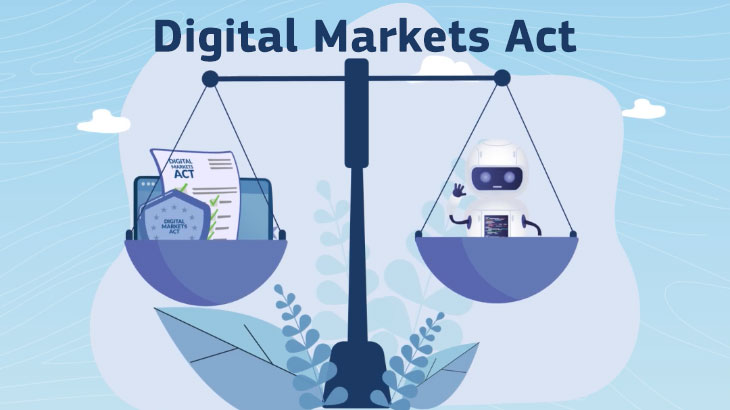
The European Union has delivered a decisive signal to Big Tech, imposing fines of €500 million on Apple and €200 million on Meta for violating its new Digital Markets Act (DMA). Though relatively modest sums for trillion-dollar companies, these penalties carry significant weight. This marks the first major enforcement of the DMA, a groundbreaking regulatory framework designed to rein in the dominance of digital platforms and restore fair competition in the online economy.
Enacted in 2022 and enforced from 2024, the DMA targets so-called “gatekeepers” — powerful tech firms that control critical digital services. Rather than waiting for anti-competitive behavior to take root and cause harm, the law proactively imposes obligations to prevent abuse. Its goal is to ensure open markets, user freedom, and developer choice in environments long dominated by closed ecosystems and opaque practices.
Apple’s €500 million fine stems from its anti-steering policies, which restricted developers from informing users about alternative and often cheaper payment options outside the App Store. This compelled developers to rely on Apple’s in-app payment system, which charges up to a 30% commission. The EU found that this undermined competition and restricted consumer choice. Under the DMA, Apple is now required to remove such restrictions and allow developers to freely communicate with users, promoting a more open and competitive digital marketplace.
Meta’s €200 million penalty addresses its “consent or pay” model, which forces users to choose between paying for an ad-free experience or accepting extensive tracking of their personal data. Regulators concluded that this structure effectively coerced users into sacrificing their privacy. The DMA mandates that users must be offered meaningful and fair choices regarding how their data is collected and used. Meta is now under pressure to revise its consent framework and adopt a model that respects genuine user autonomy.
These rulings are more than just financial sanctions; they are a powerful demonstration that even the most dominant global platforms are subject to regulatory oversight. The enforcement of the DMA sets a global precedent and exposes fundamental vulnerabilities in the current business models of companies like Apple and Meta — particularly those built on locking users into ecosystems or monetizing personal data at scale. The EU’s move not only reinforces user rights within its borders but also establishes legal and ethical benchmarks that other nations can follow.
India, as the world’s most populous nation and a rapidly growing digital economy, finds itself at a pivotal moment. The country faces similar challenges of platform concentration and coercive tech policies. The Competition Commission of India (CCI) has taken commendable steps, including antitrust investigations and directives to major firms like Google. However, India’s regulatory response remains reactive and fragmented. A comprehensive, forward-looking law akin to the DMA would enable India to address platform dominance systematically rather than case by case.
This moment is particularly critical as artificial intelligence emerges as the next frontier in digital power. Just as a handful of companies consolidated control over mobile operating systems and app marketplaces, similar risks are now visible in AI development and infrastructure. Without proactive rules, monopolistic patterns could repeat — but this time with even greater consequences, touching everything from healthcare and education to media and national security.
The EU’s decisive action is therefore more than a regional affair. It is a demonstration of what determined governance can achieve in the face of digital concentration. For India and other emerging tech nations, it offers a template for regulation that protects competition, fosters innovation, and ensures that digital progress serves the many, not just the powerful few. The path ahead is clear: enforceable rules, firm oversight, and the courage to challenge unchecked power will be essential to building a fair and open digital future.










[[comment.comment_text]]