Palamu: Rich in Resources, Yet Starved of Industrial Growth


 3 months, 2 weeks ago
Palamu: Despite being endowed with abundant natural resources, Palamu continues to suffer from industrial backwardness, forcing thousands of its youths to migrate annually in search of employment. The region, often described as a treasure trove of minerals and forest wealth, remains one of Jharkhand’s most economically underdeveloped divisions.
The question that continues to haunt policymakers and residents alike is: Why has not a single major industry been established in Palamu despite its immense potential? Experts and local observers point to a combination of political neglect, lack of administrative will, poor infrastructure, and historical security concerns as the primary reasons behind the region's industrial stagnation.
Political Apathy and Lack of Vision
For decades, Palamu has been a victim of political indifference. Local leadership and policymakers have failed to develop a concrete industrial vision for the region. Development plans have largely remained confined to government files, with little implementation on the ground. Infrastructure Deficit Remains a Major Hurdle Industrial growth requires uninterrupted electricity, reliable road connectivity, and adequate water supply. Palamu has long struggled with water scarcity and inadequate infrastructure, discouraging potential investors from setting up manufacturing units.
Legacy of Extremism Still Impacts Investment
The region's past association with Left-Wing Extremism (Naxalism) also contributed significantly to investor reluctance. Although the security situation has improved remarkably in recent years and normalcy has largely returned, the perception of risk continues to influence investment decisions.
Single-Window System Yet to Deliver Results
Entrepreneurs and industrialists often face lengthy delays in obtaining environmental, land, and other regulatory clearances. Critics argue that the state's single-window clearance mechanism has failed to provide the ease of doing business necessary to attract large-scale investments to districts like Palamu.
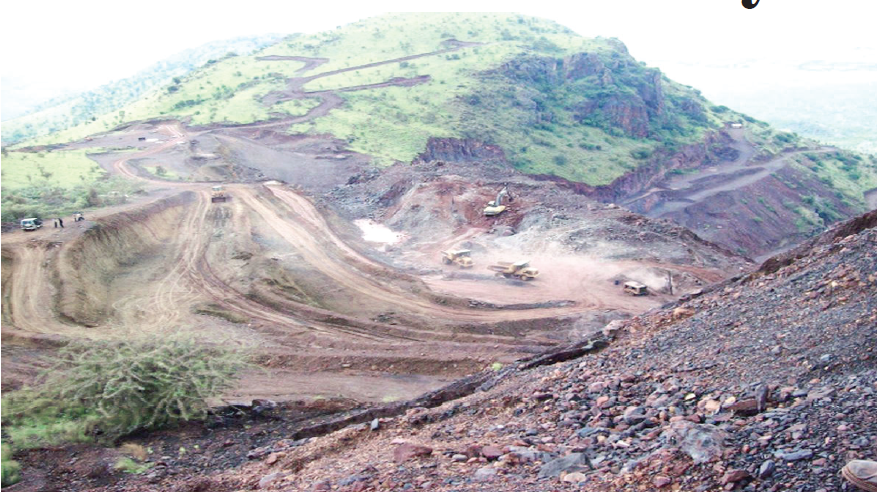
Untapped Mineral Wealth : Palamu and its surrounding areas possess substantial mineral reserves capable of supporting a range of industries. Among the most significant resources is graphite, with one of the country's major reserves located in the region. Experts suggest that graphite processing units, battery manufacturing plants, pencil factories, and lubricant industries could be established locally. The area also contains high-quality limestone deposits, creating opportunities for both mini and large-scale cement plants. Similarly, abundant dolomite reserves could support crusher and mineral-processing units, generating employment for thousands of local youths.
Palamu’s hills are rich in premium-grade granite, making the region suitable for modern stone-cutting and polishing industries capable of serving national and international markets.
Forest-Based Industries Offer New Opportunities
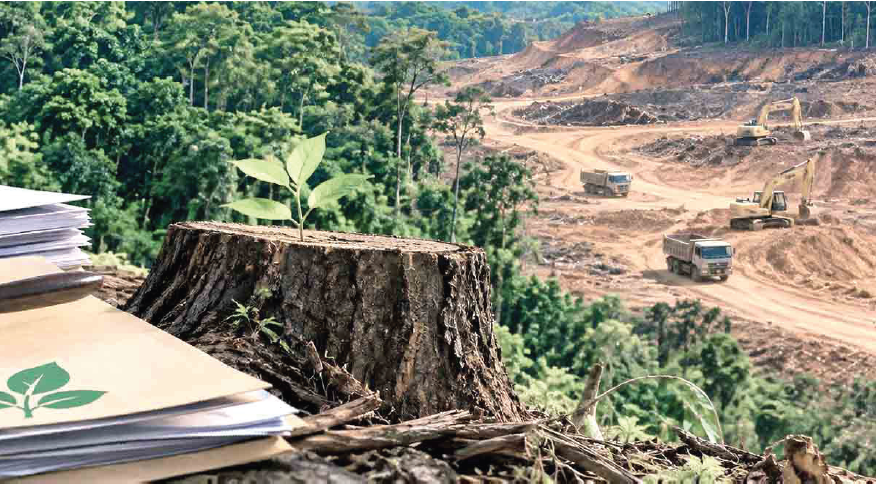
A large portion of Palamu Division is covered by forests, offering immense potential for forest-based enterprises and cottage industries.
The region's abundance of Palash and Kusum trees makes it ideal for lac cultivation. Establishing lac-processing plants and bangle-manufacturing units could significantly boost rural incomes.
Kendu leaf collection remains a primary livelihood source for many tribal communities. Small-scale industries focused on packaging, leaf-plate production, and other value-added products could create sustainable employment, particularly for women.
Mahua flowers, traditionally associated with liquor production, can also be utilized to manufacture jams, jellies, cookies, and medicinal products. Bamboo and local timber resources further provide opportunities for furniture-making, handicrafts, and mat-weaving industries. Migration: The Human Cost of Underdevelopment Perhaps the most visible consequence of industrial underdevelopment is migration. Every year, thousands of young people leave Palamu for brick kilns, construction sites, and metropolitan cities in search of work. Ironically, the same land that holds mineral wealth worth billions continues to witness a steady outflow of its workforce due to a lack of local employment opportunities.
Need for a Special Industrial Package:
Economists argue that Palamu does not suffer from a shortage of raw materials but from a lack of strong policy support. They advocate the creation of Rural Industrial Hubs and Small-Scale Industry Clusters to harness the region’s resources and generate employment. Experts also emphasize the need for simplified land acquisition and environmental clearance procedures, along with a dedicated industrial package tailored specifically for Palamu.
Time for Value Addition Within Palamu Development experts believe that instead of exporting raw minerals and forest produce, Palamu should focus on local value addition. Processing minerals, forest products, and agricultural resources within the district could transform the local economy, increase state revenue, and create large-scale employment opportunities. As Jharkhand continues its journey toward industrial growth, many believe the time has come for Palamu's mineral and forest wealth to benefit its own people. Until then, the region's youth may continue to seek opportunities far from home, carrying with them the burden of unrealized potential.









[[comment.comment_text]]