Digital India: eSaras Platform Expands Market Access for Rural Women and SHGs

 3 months, 1 week ago
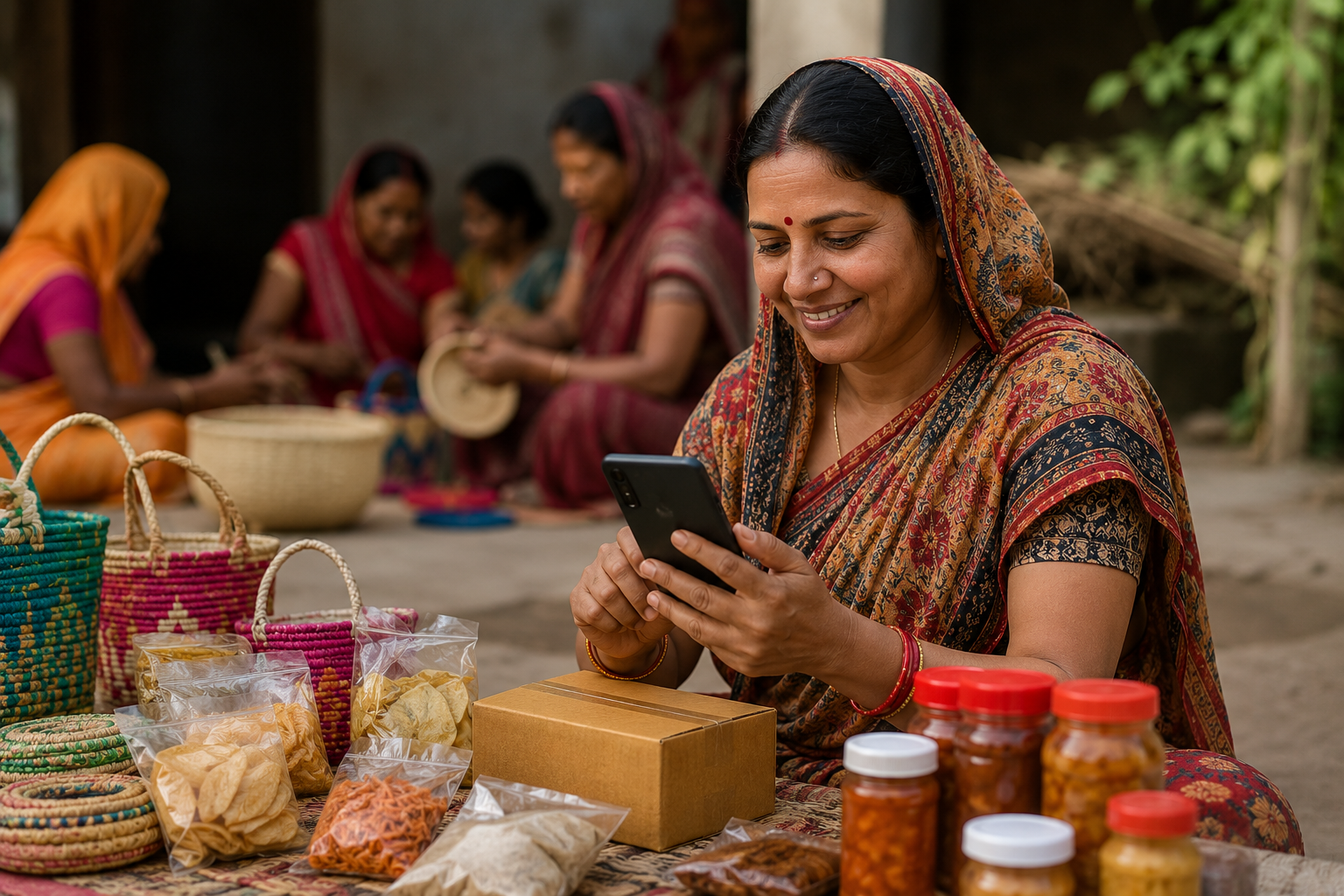
New Delhi: As the Digital India programme completes 11 years, the Centre has highlighted the rapid expansion of eSaras, a government-backed digital commerce platform that is transforming rural entrepreneurship by connecting women-led Self-Help Groups (SHGs), Farmer Producer Organisations (FPOs) and producer collectives directly with consumers across India.
Developed by the Digital India Corporation (DIC) under the Ministry of Electronics and Information Technology (MeitY) in partnership with the Ministry of Rural Development (MoRD), eSaras has emerged as a key pillar of the government's rural livelihood strategy under the Deendayal Antyodaya Yojana-National Rural Livelihoods Mission (DAY-NRLM).
According to official data released on Saturday, the initiative now supports more than 8.99 crore SHG members, making it one of the world's largest women-led livelihood ecosystems. The platform currently offers over 1,400 products, ranging from handicrafts, handloom, honey, spices and processed foods to herbal products and home décor, while over 800 buyers access these products through ONDC-enabled applications. More than 50 SARAS Melas are organised annually, and SHG products are now available across 11 buyer applications integrated with the Open Network for Digital Commerce (ONDC).
The initiative assumes greater significance as the government seeks to reduce dependence on seasonal agricultural incomes by promoting value-added rural enterprises. Instead of selling raw agricultural produce, SHGs are increasingly processing products into packaged food items such as papad, pickles, chips, jams, spices and bottled honey, enabling higher returns and improving rural incomes.
Beyond providing an online marketplace, eSaras has evolved into a comprehensive digital ecosystem offering seller verification through LokOS, multilingual access powered by BHASHINI, secure digital payments, logistics support, inventory management and order tracking. Rural women also receive training in branding, digital marketing, packaging, financial literacy and customer service, allowing them to independently manage online businesses.
The government said the platform aligns with its ambitious target of creating 6 crore "Lakhpati Didis" by 2029, while strengthening India's digital public infrastructure. Officials believe initiatives such as eSaras demonstrate how technology can bridge the urban-rural market divide, preserve traditional crafts and generate sustainable employment. However, experts note that continued improvements in rural internet connectivity, digital literacy, logistics efficiency and product standardisation will remain crucial for the platform to achieve long-term commercial sustainability and significantly expand the contribution of rural enterprises to India's digital economy.




[[comment.comment_text]]