India’s Next Economic Test: From High Growth to Global Competitiveness

 2 weeks, 6 days ago
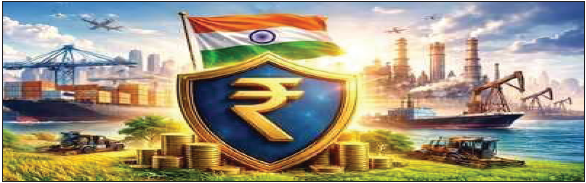
India's economy is growing fast, but the world around it is becoming increasingly unpredictable. Interest rates in major economies are shifting the direction of global money, trade barriers are being raised in important markets, energy prices remain vulnerable to geopolitical tensions and supply chains can be disrupted by events far beyond India's borders. For a country seeking to become a major economic power, the question is no longer simply how fast it can grow. The more difficult question is whether it can continue growing when the global economic environment turns hostile.
India is now at a point where the distinction between economic growth and economic strength matters more than ever. A high GDP growth rate can provide momentum, but it cannot by itself protect an economy from expensive energy, shrinking export markets, sudden capital outflows or disruptions in global trade. The real strength of an economy is tested when external conditions become difficult and it is still able to protect jobs, production, investment and purchasing power.
The post-Covid period gave India an important opportunity to consolidate its position as one of the world's faster-growing major economies. But the relatively favourable conditions that supported the recovery cannot be assumed to continue indefinitely. Geopolitical tensions, changing interest-rate cycles, inflation, fragmented global trade and supply-chain disruptions have created a far more complicated environment. The Finance Ministry's economic assessment has also drawn attention to these challenges, underlining the need to move beyond an economy that is merely business-friendly towards one that is genuinely competitive.
That transition will require more than government incentives and headline growth figures. India needs faster decision-making, better infrastructure, higher productivity, technological innovation and institutions capable of responding quickly to changing circumstances. Indian companies, too, will have to become more productive and more deeply connected with international markets.
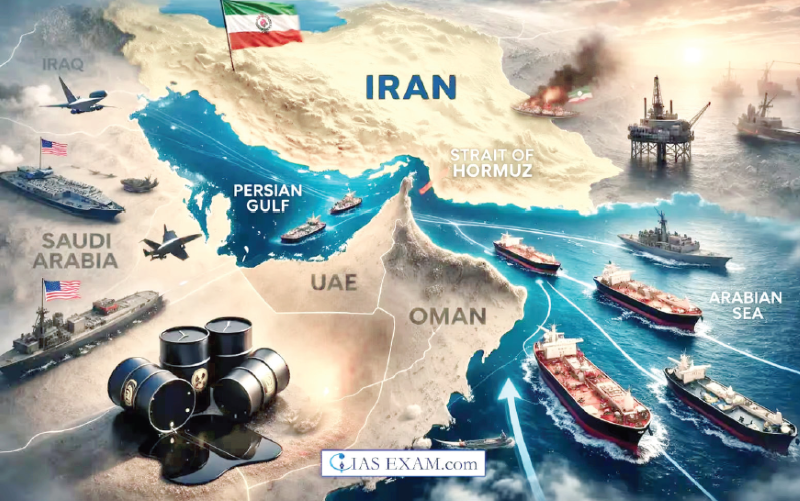
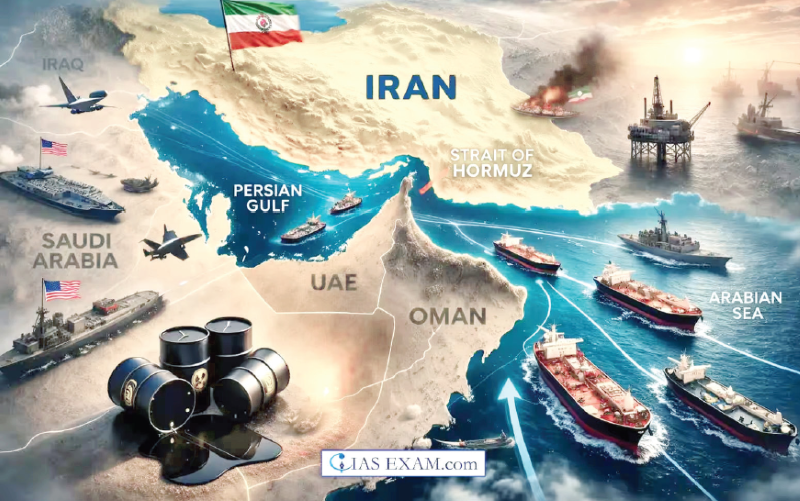
Energy security remains one of the clearest examples of India's external vulnerability. The country imports a substantial share of its energy requirements, particularly crude oil. A disruption in shipping routes or a sudden rise in international oil prices can quickly move through the economy, raising transportation and production costs and putting pressure on household budgets and inflation. India therefore needs a wider range of energy suppliers and routes, along with stronger domestic capabilities in renewable energy, storage and other alternatives.
The same logic applies to exports. The United States remains a major market for Indian pharmaceuticals, textiles, gems and jewellery, engineering products and other manufactured goods. Millions of jobs and a large network of small and medium businesses are connected, directly or indirectly, to such export markets. Any significant change in trade policy can therefore have consequences far beyond the exporters themselves.
This makes diversification increasingly important. India does not need to choose between the American market and other markets. Instead, it needs to ensure that its exporters have more destinations and more opportunities. The European Union offers high-value markets and advanced manufacturing opportunities. ASEAN provides geographical proximity and integration with Asian production networks. The Gulf offers opportunities in investment, infrastructure, logistics and trade. Africa is emerging as an important consumer market, while Latin America offers potential for Indian automobiles, pharmaceuticals, agricultural chemicals and information technology.
A broader export footprint would give Indian businesses greater protection against sudden changes in any one market. It would also encourage companies to improve quality, productivity and international standards.
BRICS can potentially contribute to this process as well. Trade among BRICS economies has grown substantially over the past two decades. The next step should be to make that trade easier and more efficient. Better customs procedures, trade finance, digital documentation and logistics could help particularly those Indian businesses that currently find international trade too complicated or expensive.
This brings the focus back to India's MSME sector. The country's small and medium enterprises are among the biggest sources of employment and local economic activity, yet a large number remain confined to domestic or regional markets. Many struggle with finance, technology, certification, market information and access to overseas buyers. Unless these obstacles are addressed together, India's ambition to become a major export power will remain incomplete.
China's experience offers an important point of comparison. Chinese companies have spent decades building overseas markets and integrating themselves into global supply chains. The country developed an extensive ecosystem of manufacturing clusters, logistics, financing and export promotion that helped its businesses reach customers around the world. India does not need to reproduce that model, but it can learn from the importance China attached to helping domestic companies internationalise.
For India, helping MSMEs enter global supply chains could produce benefits far beyond exports. A small factory that begins supplying international customers may need better machinery, skilled workers, improved packaging, international certification and more reliable logistics. That creates additional investment and employment in the local economy. Export growth can therefore become a mechanism for strengthening domestic production itself.
Technology provides another major opportunity. India's digital public infrastructure, digital payments, IT industry and startup ecosystem have created capabilities that can be taken to international markets. The next challenge is to build stronger global partnerships in areas such as artificial intelligence, fintech, cybersecurity, digital commerce, semiconductor manufacturing and advanced services.
India's engagement with the United States, European Union, ASEAN and Gulf economies, as well as its participation in G20, BRICS and other international platforms, should therefore be viewed partly through the opportunities they create for trade, investment, technology and supply-chain integration. These relationships do not have to compete with one another. They can serve different aspects of India's economic interests.
But external partnerships alone cannot deliver the desired transformation. Domestic conditions matter just as much. Businesses need predictable regulations, efficient infrastructure, affordable finance, skilled manpower and quicker administrative processes. For smaller enterprises in particular, the cost of doing business can determine whether they remain local suppliers or become international competitors.
There is also considerable scope for large Indian corporations to bring more MSMEs into their global supply chains. Smaller suppliers that receive support in quality standards, technology and certification can become reliable partners for companies operating in international markets. This could gradually deepen India's manufacturing base and make global value chains a source of wider employment and investment.
The next decade is likely to test India's ability to adapt. Interest rates may change the flow of international capital. Energy markets may remain volatile. Trade policies may become more restrictive. New geopolitical tensions may disrupt established supply chains. India cannot control these developments, but it can determine how exposed it remains to them.
That is why economic resilience now deserves as much attention as economic growth. India has already demonstrated that it can grow rapidly. Its next challenge is to build an economy that can continue growing even when the external environment becomes uncertain.
The ultimate measure of India's economic strength will therefore not be found only in GDP figures. It will also be seen in the ability of Indian companies to compete abroad, the number of MSMEs entering global supply chains, the diversity of export destinations, the resilience of energy supplies and the speed with which institutions respond to economic shocks.
India has the scale, market and entrepreneurial capacity to become a much larger force in the global economy. But scale alone does not create influence. The country will need competitive companies, diversified markets, resilient supply chains and institutions capable of acting quickly.
India's growth story has created the momentum. The next task is to turn that momentum into economic resilience, global competitiveness and greater strategic choice.
(Author is senior journalist and commentator on current affairs.)




[[comment.comment_text]]