I Am My Own Weather — A Global Weather Report
 10 hours ago
If you’ve ever had a high fever, you know the strange trick the mind plays: you’re shivering in a room that everyone else calls "stifling." To you, a gentle breeze feels like an icy blade. This is the simplest version of a universal truth: our internal state defines our external experience.
I see this most clearly on my morning walks, which I am generally reluctant about. My entire day can be transformed by an unleashed dog that ignores the sidewalk rules just to greet me with a wagging tail, or by the simple magic of making a passing child laugh. In that instant, the dog or the child is an invitation. Its internal state of joy creates a sudden, external ripple of warmth that can sustain a person for hours. Every time this happens, my fragile resolve to take a walk is strengthened.
But then, there are the leashed dogs—the ones that growl or frown upon my very existence. You can’t help but wonder if they are simply reflecting their master’s own guarded attitude toward the world. The same applies to a child in the pram who has been ‘do-ed and don’t-ed’ to an extent that any unknown creature is a threat.
This internal "weather" we carry doesn't stay confined to our neighbourhoods; it scales up. A grudge is rarely a solo act; it harvests more of itself in return. In the Buddhist legend of Ajatshatru, the inborn internal grudge in the child leads him to commit the heinous crime of killing his own father. It is an eternal example of how a private shadow can darken an entire kingdom. Today, we see this play out on the world stage, where the line between "domestic" and "foreign" policy has practically vanished.
We often speak of "border tensions" as if they are weather patterns—something external that just happens to us. The tragedy of our "neighbourhood dispute" with Pakistan is that we have become experts at reacting to the other's growl while ignoring our own. We’ve spent seventy years convincing ourselves that if we just build the fence higher or bark louder, we will finally feel secure. But the Buddhist insight of interdependence suggests a different reality: you cannot throw a stone into your neighbour’s garden without feeling the vibrations in your own soil.
Today, this regional friction isn't just about Kashmir or cricket; it’s a microcosm of the global "hatred leads to hatred" cycle. When we look across the border, are we seeing a "foreign" entity, or are we seeing a reflection of the same unresolved shadows we carry internally? By treating the neighbour as a permanent antagonist, we ensure that our own "internal" peace remains perpetually out of reach. We aren't just two nations at odds; we are two threads of the same cloth, tugging so hard at each other that the whole garment is beginning to fray.
Take the ongoing wars in West Asia. We might think of them as distant tragedies, but they arrive at our doorstep every time we pay an energy bill. In India, there’s a quiet effort to spread the myth that we are an island of stability—untouched by the chaos or our own tactical silences—yet the reality of a global energy crisis tells a different story. When we talk about our delicate and often contradictory dance with global powers, we aren't just discussing maps. We are discussing the collective internal "weather" of a people.
A nation that tries to convince itself it is an island of stability while the rest of the world burns is like a man with a fever trying to ignore his own shivers. The energy crisis, the rising cost of fuel, the "tactical silences"—these aren't just headlines; they are the "hitch" in the fabric that happens when a thread is pulled thousands of miles away. We are not just spectators of the war; we are, through our choices and our silences, active participants in the machinery that keeps it turning.
It all points back to a core Buddhist insight: the law of interdependence. No phenomenon—be it a fever, a grumpy dog, or a government policy—exists in a vacuum. We are all woven into the same fabric. When a thread is pulled in a distant corner of the map, the shirt on our back hitches, too. We aren't just living in the world; we are constantly creating it from the inside out.
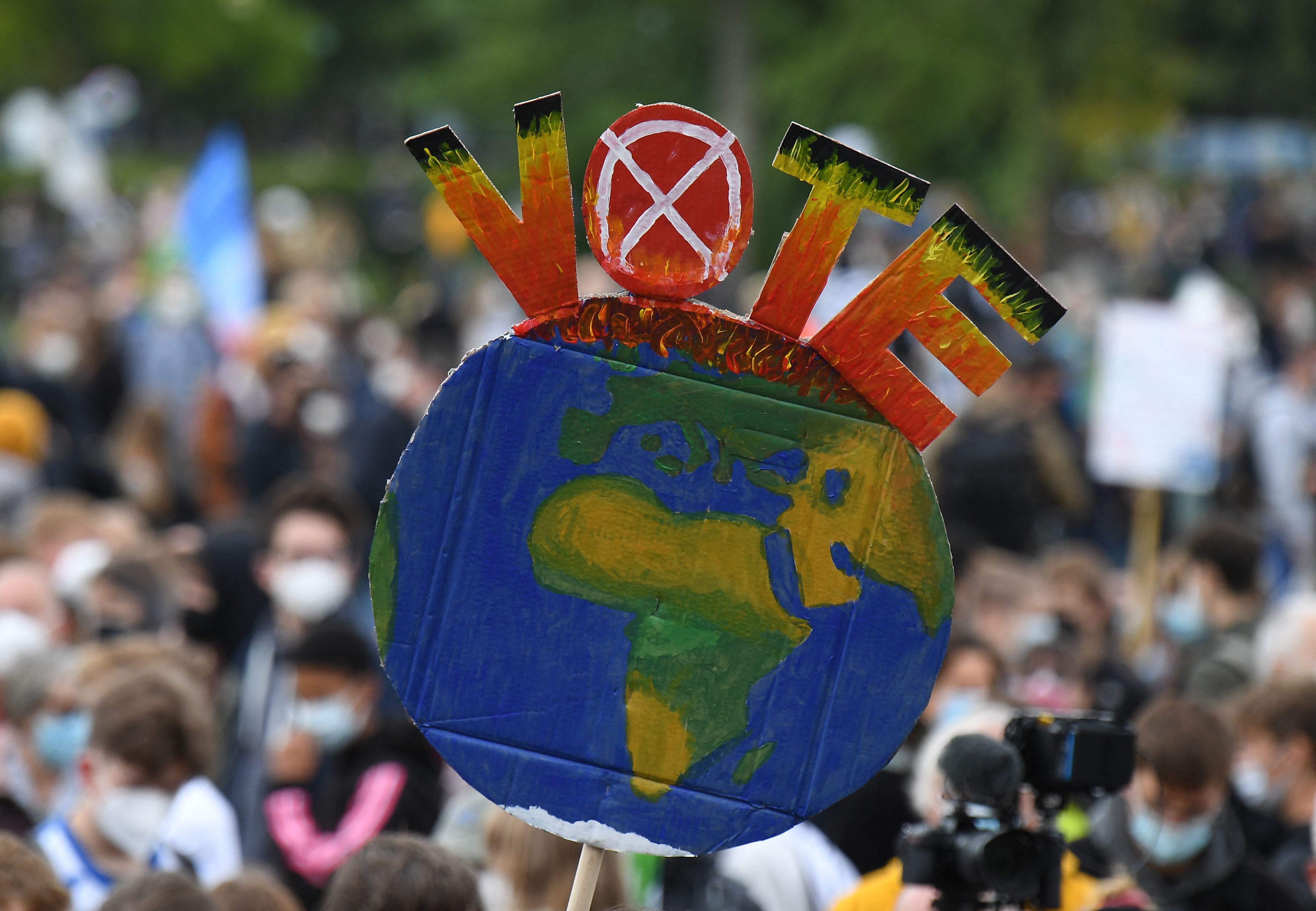
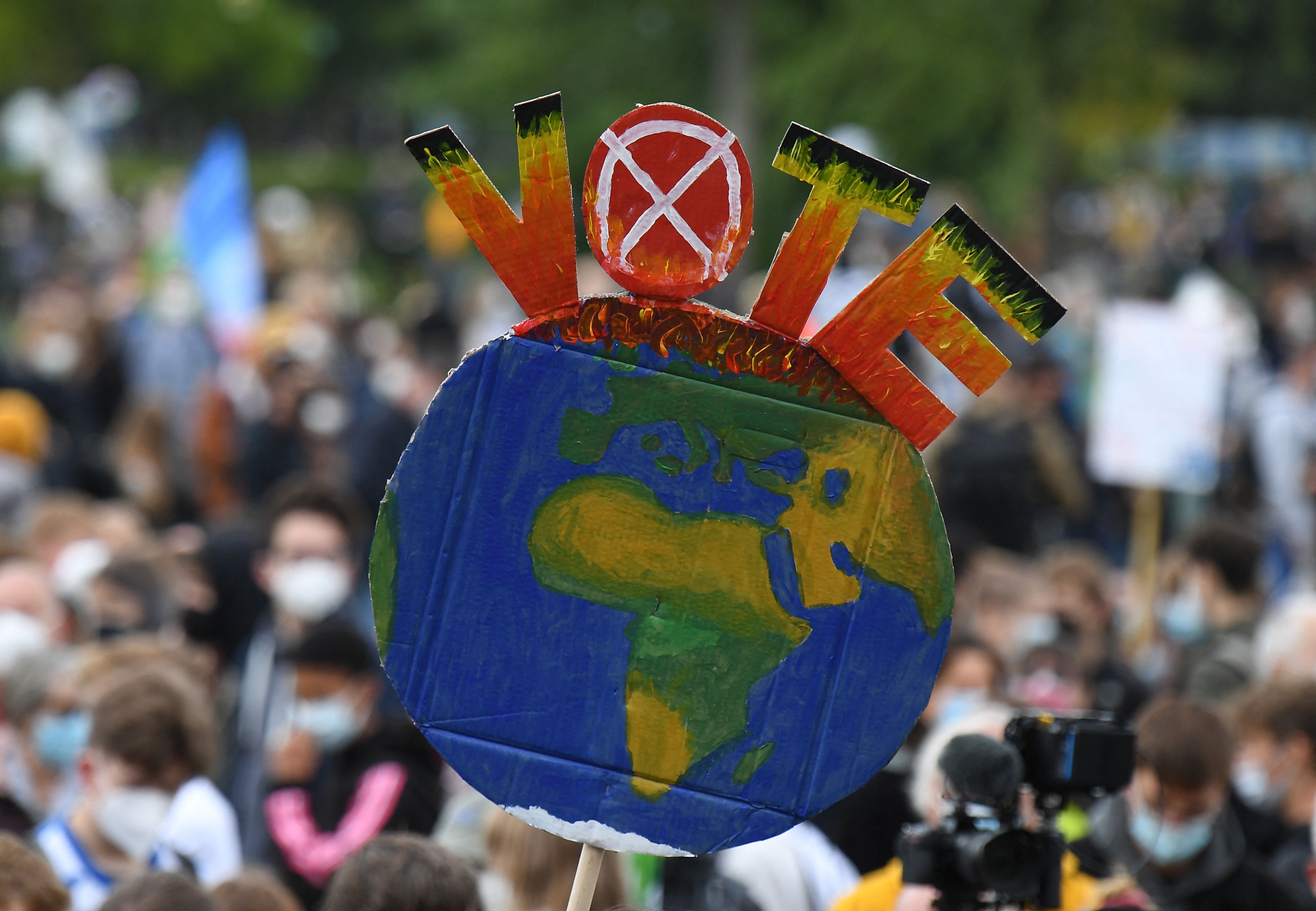
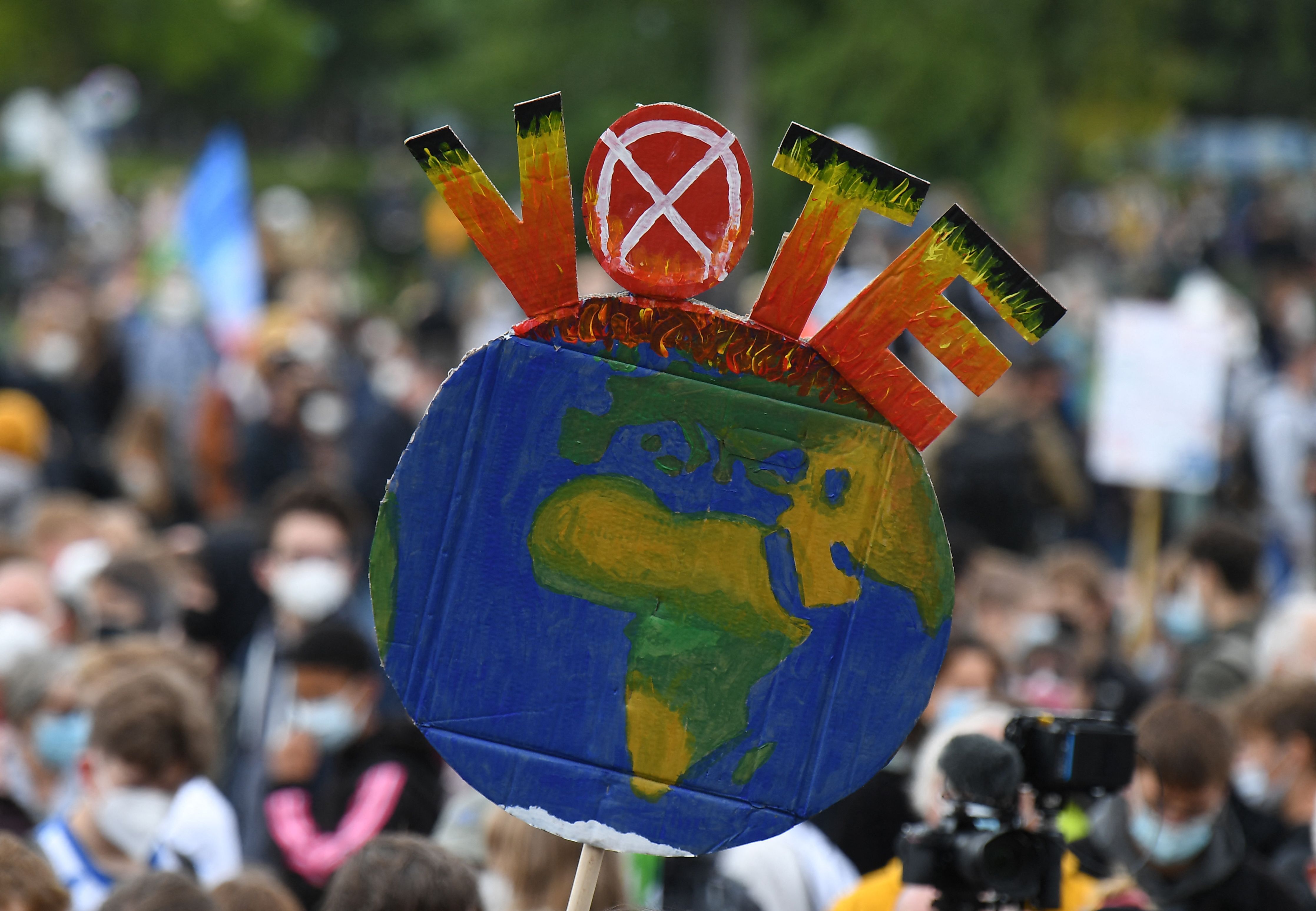
In the end, we aren't just bystanders to history or victims of 'the news.' We are the climate. The next time you step out for a walk—or cast a vote, or read a headline—it’s worth asking: Is the world cold today, or is it just my fever? Am I walking with a loose leash, or am I the one growling at the neighbour? Because the 'foreign' world is only as peaceful as the internal one we bring to meet it. As the old wisdom of 'As within, so without' suggests, the world doesn't happen to us—it happens through. We are not just living in the weather; we are the ones making the rain.
(Mr. Ashok Lal, a veteran playwright, director, and actor, is a well-recognized commentator on art, literature, theatre, and cultural diversity.)


[[comment.comment_text]]