The Anger Beneath the Protests
 3 hours ago
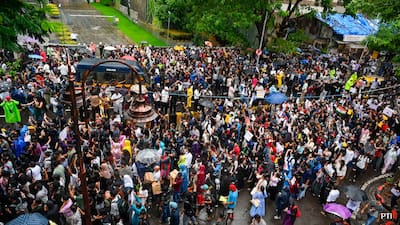
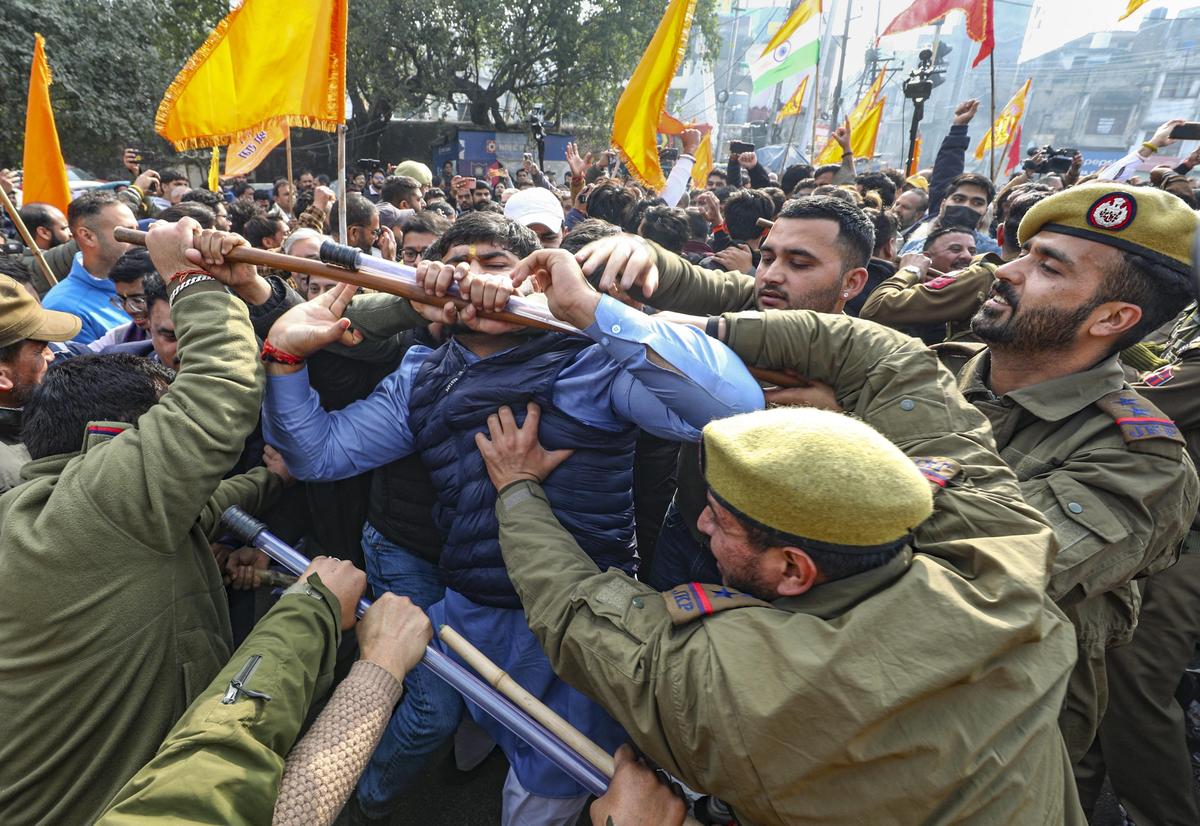
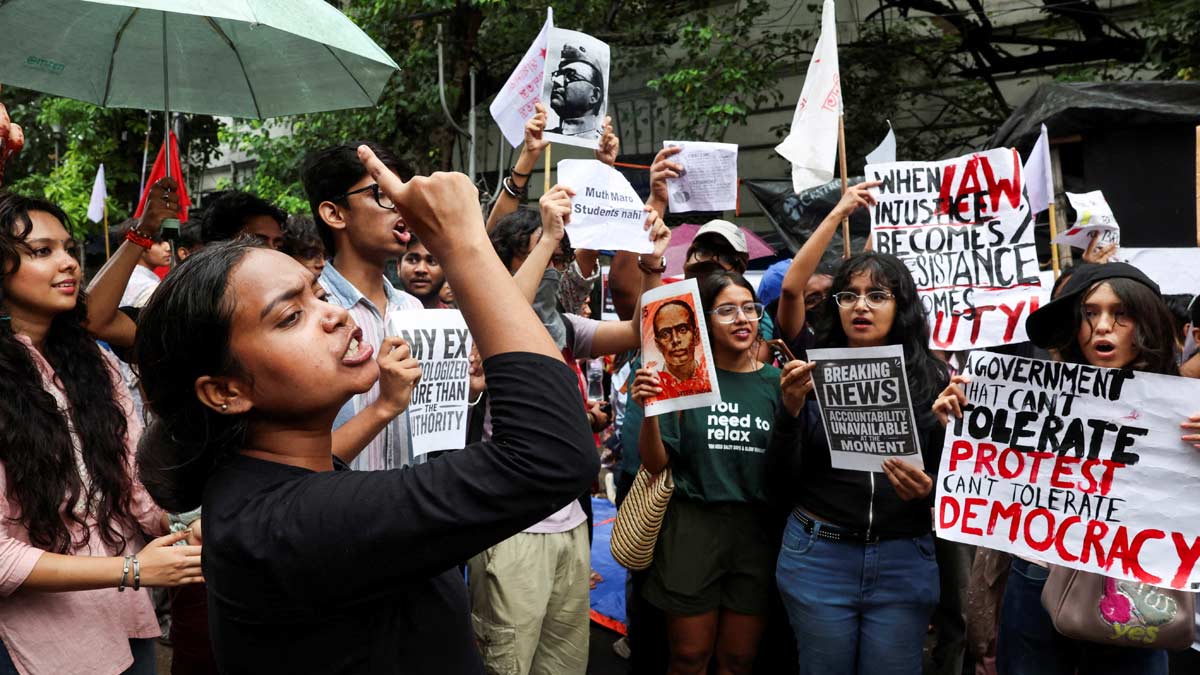
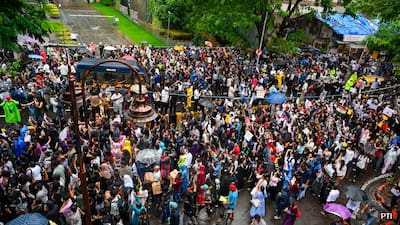
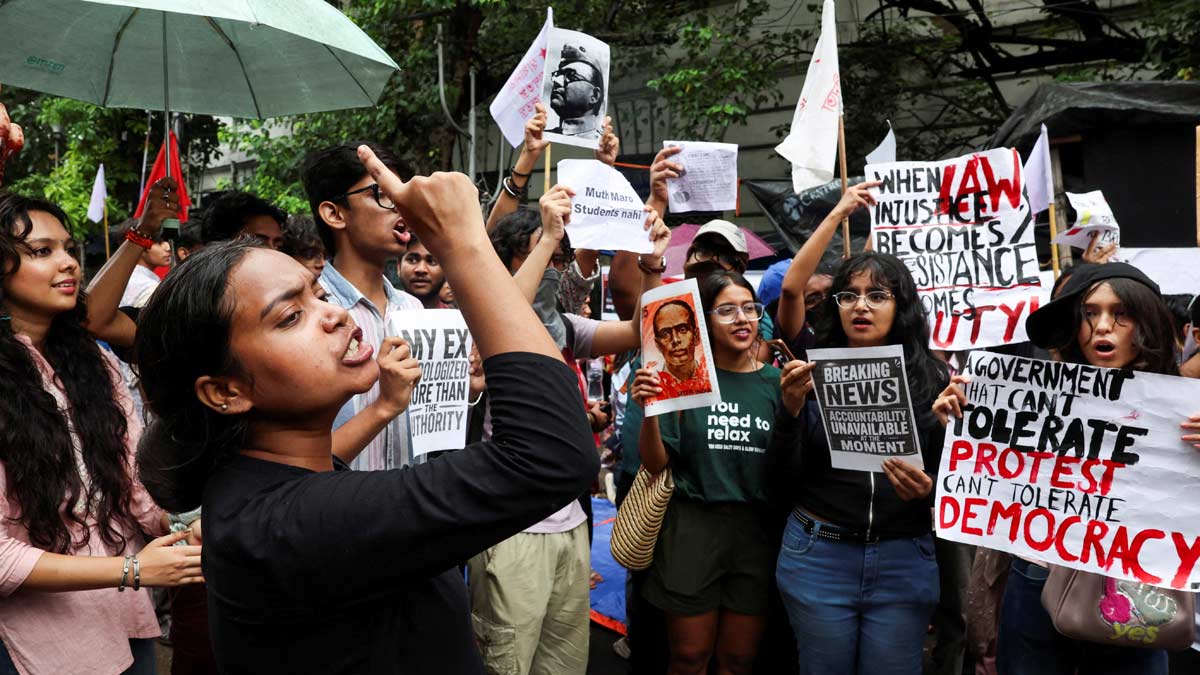
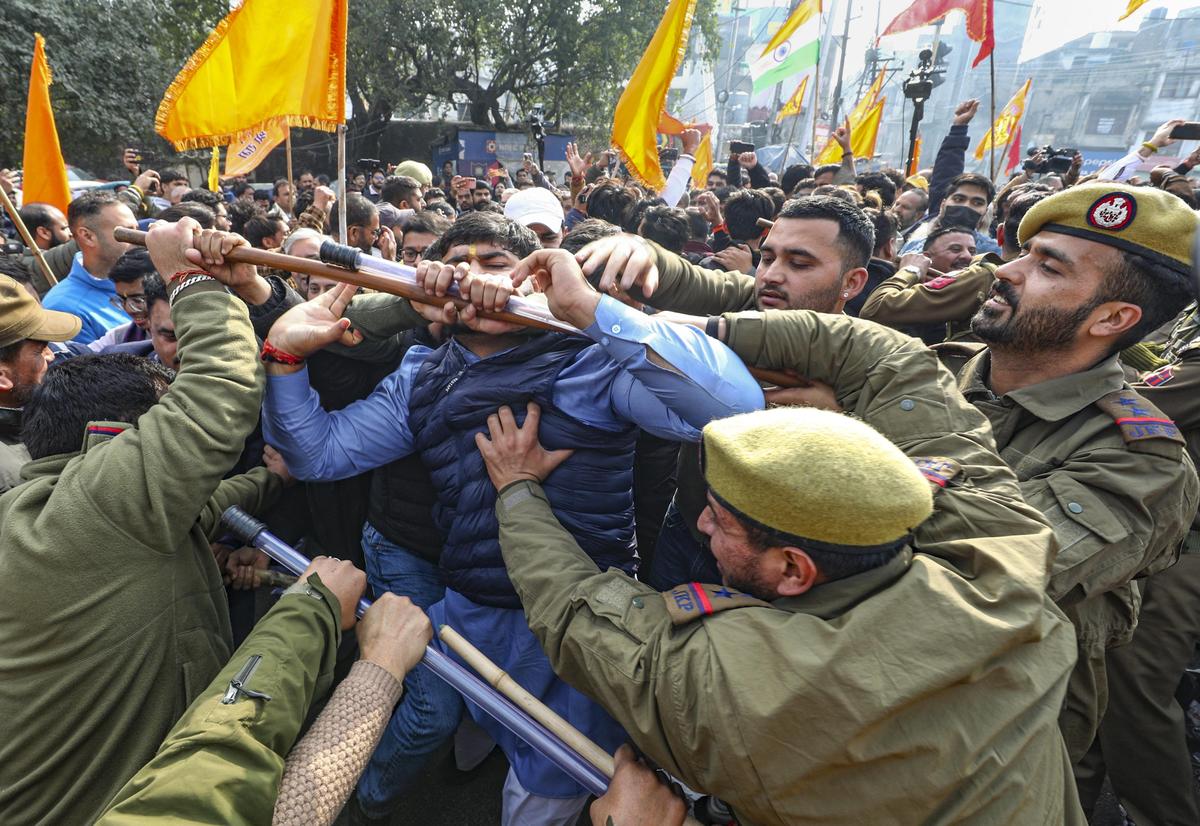
The scenes that unfolded on the streets of Delhi this week were unsettling but not entirely unexpected. Thousands of students and young job aspirants marched towards Parliament, security forces erected barricades, tear gas filled the air and clashes between protesters and police dominated television screens. Predictably, the political discourse soon shifted to familiar questions: Who mobilised the crowds? Which political organisations were involved? Was the agitation spontaneous or politically orchestrated?
Yet these questions, while politically relevant, risk overshadowing the far more fundamental issue. The protests were not born in a single day, nor were they triggered by a single examination. They are the cumulative outcome of years of declining confidence in India's examination and recruitment system. The real story lies not in the confrontation on the streets but in the deep anxiety that has been building among millions of young Indians who increasingly fear that merit alone may no longer guarantee opportunity.
For today's students, competitive examinations are far more than academic milestones. They determine careers, financial security and, in many cases, the future of entire families. Parents invest substantial savings in coaching, accommodation and educational resources. Students often spend several years preparing for one opportunity, sacrificing social life, employment prospects and emotional well-being. When an examination is cancelled because of a question paper leak, when evaluation errors emerge, or when recruitment processes are delayed indefinitely, the loss cannot be measured merely in administrative terms. It represents a profound breach of trust between citizens and public institutions.
The NEET controversy is only the latest example in a series of incidents that have shaken public confidence. Over the past few years, multiple recruitment examinations conducted by various agencies have faced allegations of paper leaks, irregularities, technical failures or prolonged litigation. Each incident may appear isolated, but together they have created a perception that the examination system is increasingly vulnerable to manipulation and administrative lapses. Whether every allegation ultimately proves true is less important than the fact that public confidence has steadily eroded.
This erosion of trust is particularly significant because India conducts one of the world's largest examination systems. Every year, tens of millions of candidates appear for school board examinations, university entrance tests and government recruitment examinations. Such a vast ecosystem inevitably presents logistical and security challenges. However, the scale of the system also demands exceptionally high standards of transparency, technology and institutional accountability. Repeated failures gradually weaken the very principle on which competitive examinations are based—that success should depend solely on ability and hard work.
What has intensified public frustration is not merely the recurrence of these controversies but the perception that institutional responses have often been reactive rather than preventive. Investigations are announced after irregularities surface. Committees are constituted after public outrage intensifies. Arrests are occasionally made, but systemic reforms frequently progress at a much slower pace. Consequently, students increasingly believe that while individual incidents are investigated, the structural weaknesses that enable such failures remain largely unaddressed.
Against this backdrop, the protests in Delhi should not be viewed merely as a reaction to one examination or one government decision. They reflect a broader crisis of confidence. The immediate trigger may have been NEET, but the underlying sentiment extends to recruitment examinations, delayed appointments, evaluation controversies and concerns over institutional credibility. The demonstrations therefore represent accumulated frustration rather than isolated dissatisfaction.
This distinction is important because governments often confront two separate challenges during public protests: maintaining law and order and addressing the underlying grievance. The first requires administrative action; the second requires political and institutional leadership. A democratic government is fully justified in ensuring that public order is maintained and that violence or destruction of public property is dealt with according to law. Equally, it must recognise that restoring peace on the streets does not automatically restore confidence in public institutions.
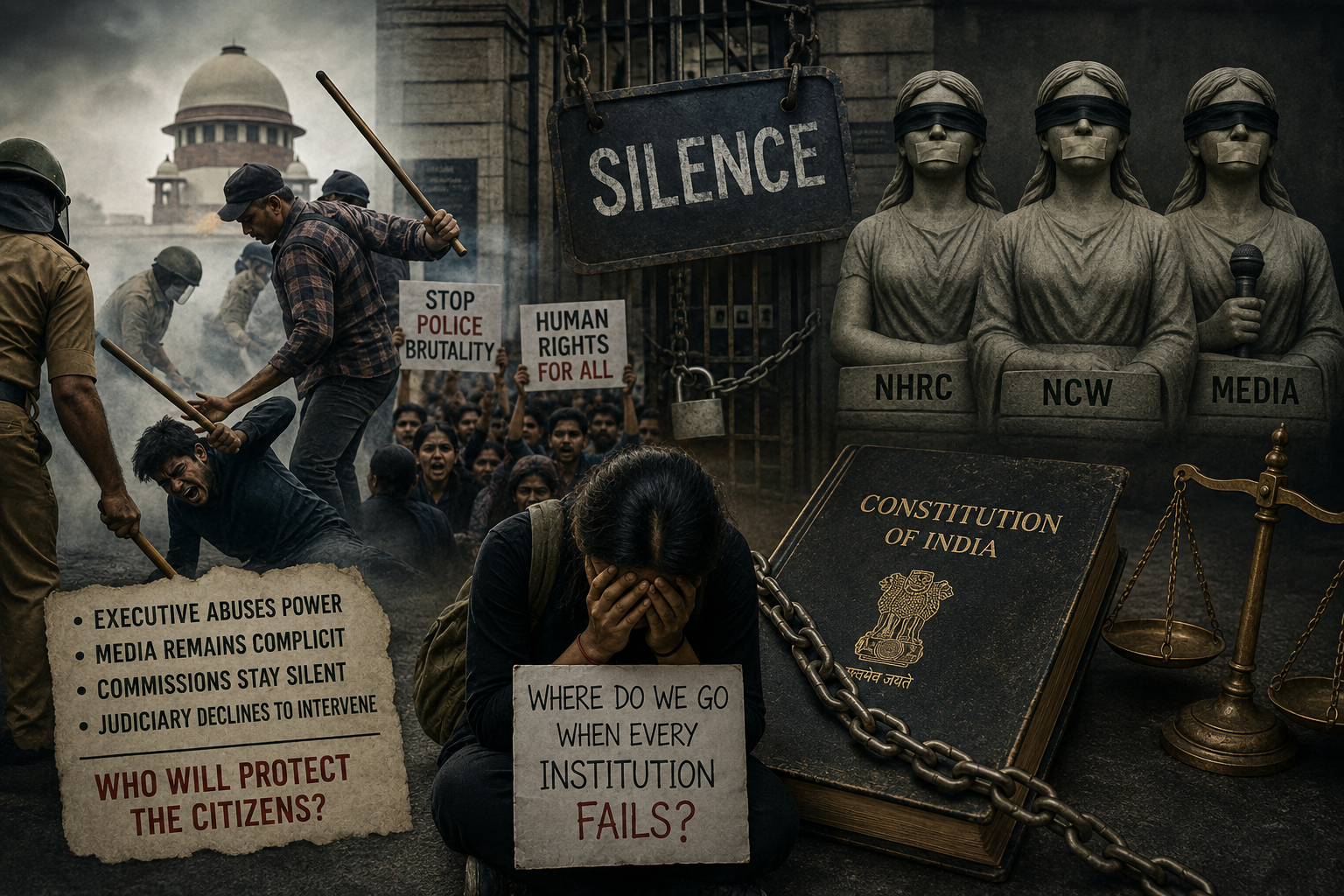
Reports of clashes between protesters and police, allegations of excessive force and the registration of multiple First Information Reports—including investigations into possible conspiracies behind the demonstrations—will follow their own legal course. If individuals have violated the law, accountability must be determined through due process. However, focusing exclusively on identifying organisers or alleged conspirators would risk treating the symptoms while ignoring the underlying illness.
Public movements often attract political parties, ideological organisations and activist groups seeking to advance their own narratives. Such participation is neither unusual nor unique to India. The presence of political actors, however, should not become a reason to dismiss the concerns of the students who joined the protests because they genuinely fear for their future. A movement may acquire political overtones, yet the grievances that gave rise to it can still be legitimate.
Student movements, too, carry important responsibilities. Their credibility depends not only on the validity of their demands but also on the manner in which those demands are pursued. Peaceful demonstrations have historically brought about significant democratic reforms. Violence, inflammatory rhetoric, attacks on journalists or damage to public property, if established, diminish public sympathy and divert attention from the substantive issues. Any movement seeking institutional reform must preserve its own moral legitimacy if it expects society to support its cause.
The government now has an opportunity to respond not merely with administrative measures but with structural reforms. Strengthening digital security in examination processes, introducing independent audits of testing agencies, ensuring fixed timelines for investigations, enhancing accountability of examination authorities and establishing transparent communication mechanisms would help restore public confidence. Equally important is ensuring that candidates are informed promptly and honestly whenever irregularities occur. Silence and delayed responses often deepen distrust more than the original incident itself.
India frequently describes its young population as its greatest demographic advantage. That demographic dividend, however, depends fundamentally on one principle—that every capable student has an equal opportunity to succeed through merit. If examination systems repeatedly come under suspicion, the country risks weakening one of the most important pillars of social mobility and economic progress.
Ultimately, the events in Delhi should not be remembered only for barricades, tear gas or political confrontation. They should serve as a reminder that institutional credibility is among the most valuable assets of any democracy. Once public trust begins to erode, rebuilding it becomes far more difficult than preserving it.
The debate, therefore, should move beyond identifying who led the protests or which political groups attempted to influence them. The more consequential question is whether India's examination and recruitment systems are capable of inspiring confidence among the millions of young people whose futures depend upon them. Governments can disperse crowds, register cases and restore order within days. Restoring faith in public institutions, however, requires something far more enduring—transparent governance, consistent accountability and reforms that convince every student that success will be determined by merit alone. That is the challenge before India, and it is one that cannot be postponed any longer.

[[comment.comment_text]]