In Search of Concern Beyond Self-Interest

 18 minutes ago
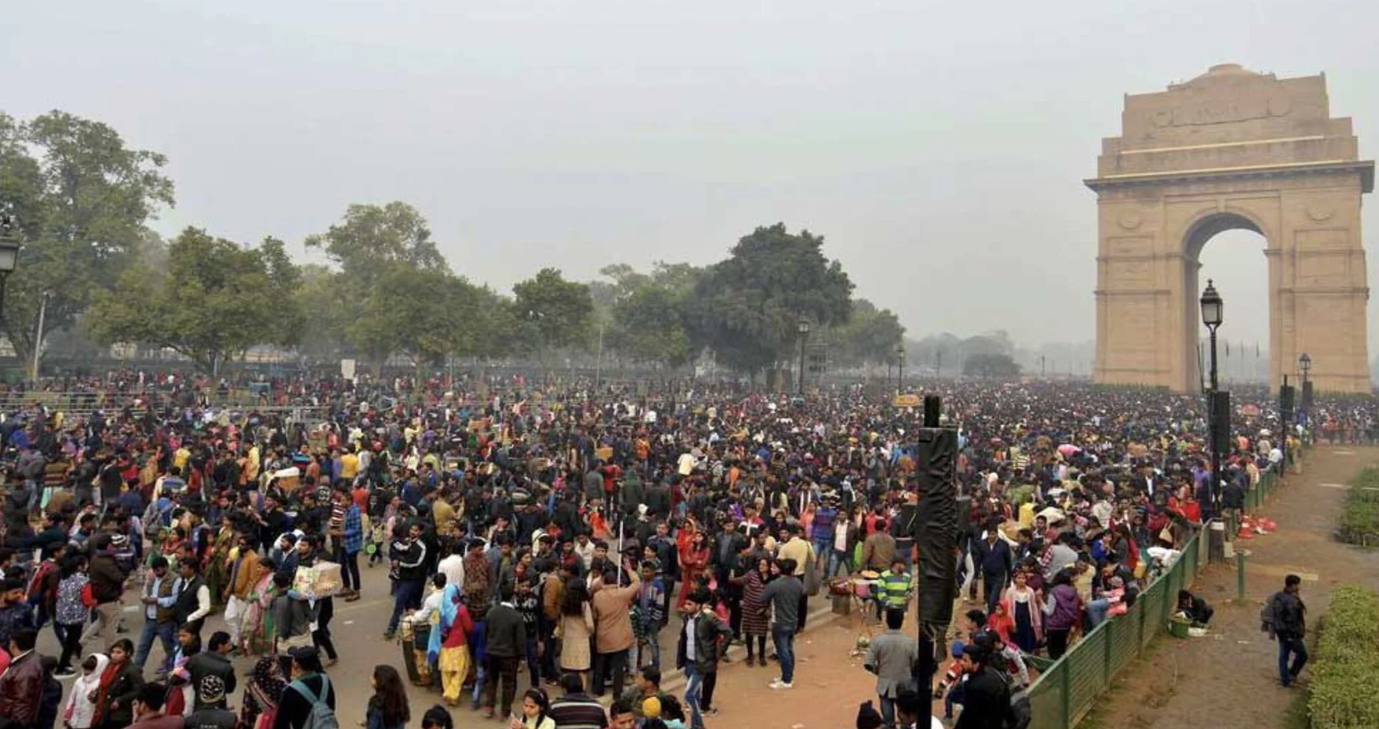
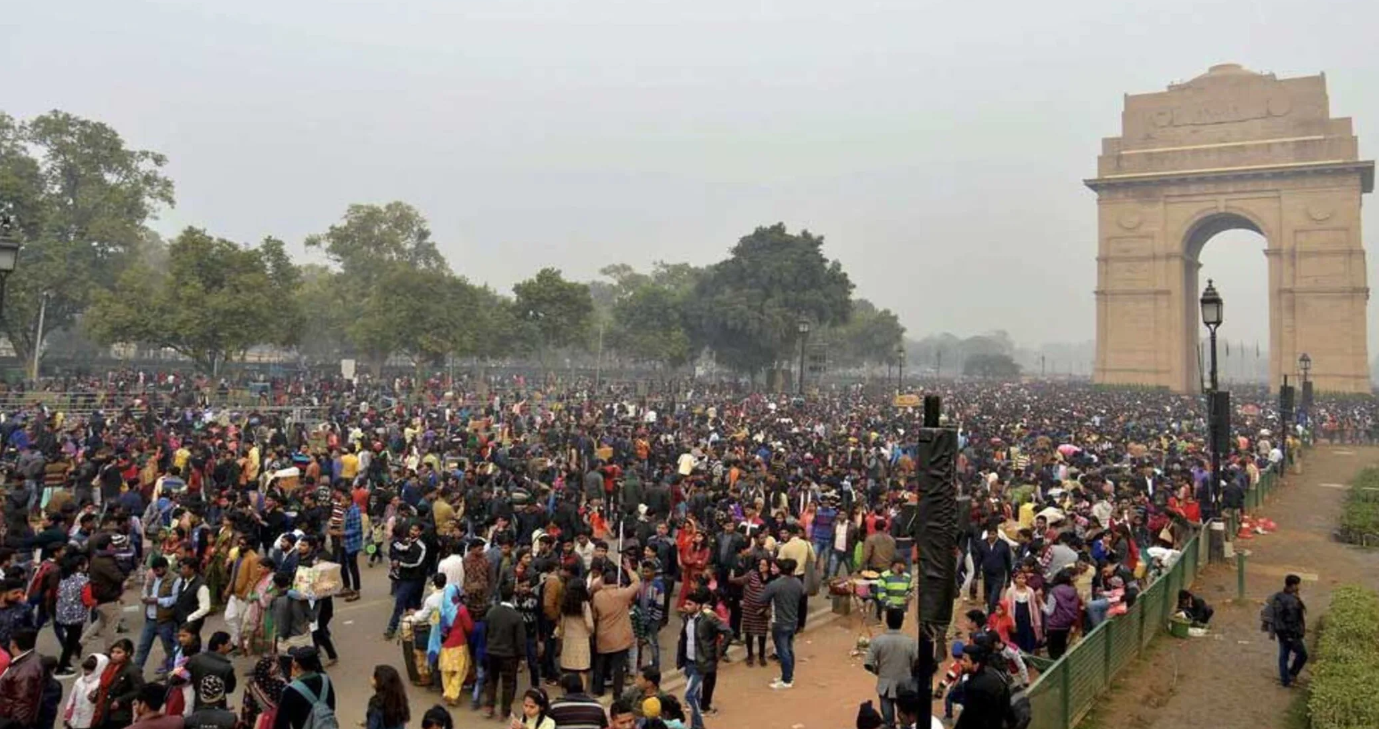
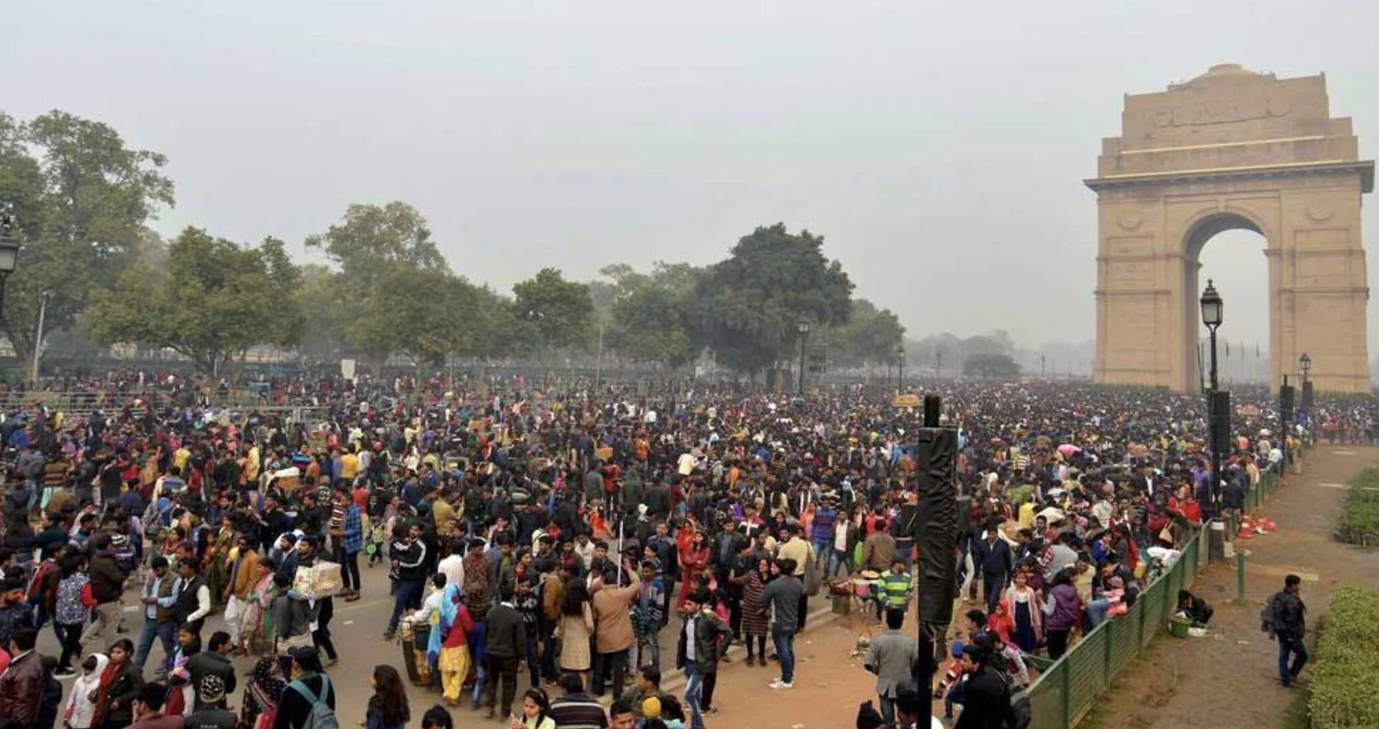
In a nation like India, which has crossed the mark of 1.4 billion people from merely 300 million after Independence, if one were to identify a single underlying factor responsible for one, many, or almost every major problem confronting the country today, the answer would be straightforward and unmistakable: the problem of population explosion.
It may be recalled that by the end of the twentieth century, the entire world had begun to realize the seriousness of this issue. Consequently, the United Nations initiated the observance of World Population Day on 11 July 1987. The purpose behind declaring any issue as a global observance is not merely symbolic; rather, it is to draw attention towards the multiple problems surrounding it, formulate appropriate policies, and motivate society to adopt corrective measures.
However, in contemporary times, debates surrounding political representation, women’s reservation, increase in Lok Sabha seats, technicalities of delimitation, and disputes regarding the basis of census figures have given rise to a dangerous trend. Several states are now announcing financial incentives for families having a third or fourth child, thereby creating a mirage before an already vulnerable population.
The question that arises is whether an amount of ₹30,000 or ₹40,000—whose value in dollars is merely around 300 to 400—can truly enable parents to provide a dignified standard of living to their children throughout their lives. Even if children receive free education and mid-day meals up to the age of fourteen under welfare schemes, would that alone be sufficient for them to survive with dignity in an increasingly harsh and competitive society?
What is particularly surprising is that issues such as population control, family planning, health, nutrition, reduction in mortality rates, poverty alleviation, and unemployment are no longer central to public discourse. At a time when even a controversial remark by the Chief Justice of India referring to unemployed youth as “cockroaches” sparks nationwide debate, the clarification offered is that the comment was directed only towards those possessing bogus degrees from unrecognized institutions and who are unfit for the legal profession. Yet the real question is not where a young person acquires a degree from; the real concern is why the youth have become so desperate and directionless that they are willing to obtain a degree from anywhere merely to survive and move ahead.
In a country witnessing a massive rise in educated unemployment, where young people are increasingly turning towards substance abuse in an attempt to escape reality, where many are falling into depression and some are even ending their lives through suicide, one must seriously ask: are these the circumstances for which we are encouraging population growth? Certainly not.
It is important to remember that India is a welfare state. Every individual born in this country is its citizen, and the right to life guaranteed under the Constitution does not include a right to die with indignity. Therefore, the pressing question before us is how to ensure a dignified life for every citizen, rather than becoming excessively preoccupied with fears that a particular state may lose parliamentary representation after delimitation.
A brief glance at historical figures is revealing. When India’s population was approximately 350 million and the Lok Sabha had around 500 members, each Member of Parliament represented nearly 700,000 people. Today, with a population of 1.4 billion and 543 Lok Sabha members, each MP represents on average nearly 2.58 million citizens—more than a threefold increase. Even if the number of seats rises to 816 in the future after the implementation of 33% reservation for women, each representative would still represent approximately 1.7 million people. In essence, merely increasing the number of seats is unlikely to bring any revolutionary transformation in governance or policymaking. Every nation has only one Prime Minister and one President; ultimately, the destiny of a country depends upon the quality of decisions taken by its leadership.
Another significant concern today is the growing trend of brain drain among capable youth. Financially secure parents increasingly prefer sending their children abroad for higher education and permanent settlement. Simultaneously, many talented young professionals employed in multinational corporations are themselves opting for opportunities overseas. Consequently, India faces a peculiar paradox: while the nation’s population continues to grow numerically, its productive and skilled youth are gradually leaving the country, leaving behind an increasingly ageing population and a different set of socio-economic challenges.
Meanwhile, more than eighty crore people continue to depend upon welfare schemes for food, healthcare, marriage assistance, and employment support. Under such circumstances, one must seriously question what direction and future we envision for the nation by further encouraging population growth.
While searching for answers, alternative approaches must also be considered. One important possibility is linked to the migration patterns created by rapid urban industrialization. Today, major technology companies are concentrated in cities such as Bengaluru, Hyderabad, Pune, Gurugram, and Greater Noida, where young professionals migrate for employment and often reside for long durations. Therefore, one basis of the decennial census should also be that a person who has lived and worked in a particular state for the last ten years ought to be counted in the population of that state, since they are utilizing its resources and contributing to its revenue.
Simultaneously, it must be firmly ensured that issues such as population control and family planning are never treated casually. Unchecked population growth inevitably aggravates poverty, hunger, helplessness, unemployment, and crime. As for concerns relating to the care of an ageing population and the absence of children to support them, governments should utilize the very funds presently being offered as incentives for childbirth towards developing policies for elderly care, nutrition, healthcare, and dignified cremation and funeral arrangements.
After all, caring responsibly for those who already exist in this world is far more important than misleading people into bringing more lives into it without ensuring the means for a dignified existence.
(Prof Tripathi is a senior member of the Law Faculty at BHU. Views are personal.)





[[comment.comment_text]]