HEATWAVE CONDITIONS AND STATES’ FAILURE TO CONSERVE & PLANT TREES

 2 hours ago
Despite sporadic rains in some pockets, north Indian plains, central Indian highlands, western, eastern and peninsular India is under the grip of severe heat waves bringing misery for the people earning their livelihood in the open Sun, when the temperature is clearly a couple of degrees higher than what has been usually recorded at this time of the year. While India is under heatwave grip, many parts of China and US have received heavy rains causing flooding and damaging lives and properties considerably. In the last week of May 2026, Britain registered its hottest ever May temperatures on record, with mercury rising to 34.80 Celsius near London, following days of unusual heat, the met office said. The previous record for the hottest May day was 32.80 Celsius, set in 1922 and seen again in 1944.
Temperature soared in entire European continent in the latter half of June and early July. France, the Netherland and Belgium recorded 3700 excess human deaths and authorities warned that these numbers are preliminary and may even rise. People above 50 years of age accounted for larger proportion of the deaths. A number of deaths are reported due to persons drowning in water bodies; those who did not know swimming also jumped in deep water to beat the heat and perished. Experts have found that the current heat waves in Europe is worst recorded in its history. The soaring temperature has ignited wildfire and more than 6000 ha of forests in Spain and similar areas in other European countries were under the grips of forest fire and have been completely charred. The wildfire is continuing releasing poisonous gases in the atmosphere.
The heat waves impacted power generation negatively, damaged infrastructures and overwhelmed health care system. The rivers are running low and even nuclear power generation has taken a hit due to slow cooling of the reactors. European houses are designed to keep inside warm with minimum ventilation; 25% houses are not air conditioned. The high temperature has caused melting of road tops and even bending of rail lines, thus slowing down the traffic and cancellation of some trains. The road tops and rails are designed to remain sturdy during winter, while it snows in some regions. Europe is facing the biggest infrastructural challenge in the early part of this summer. July and August are the peak summer season there.
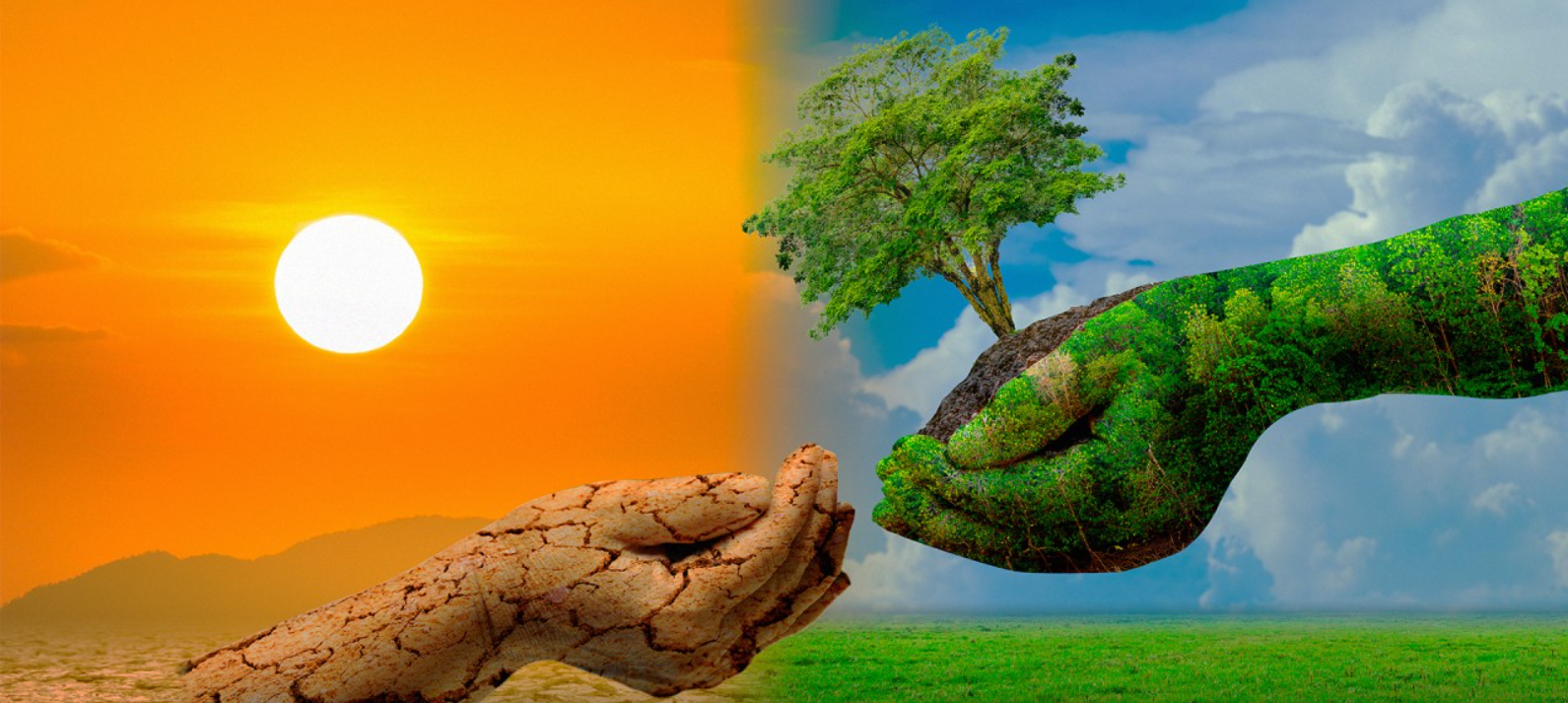
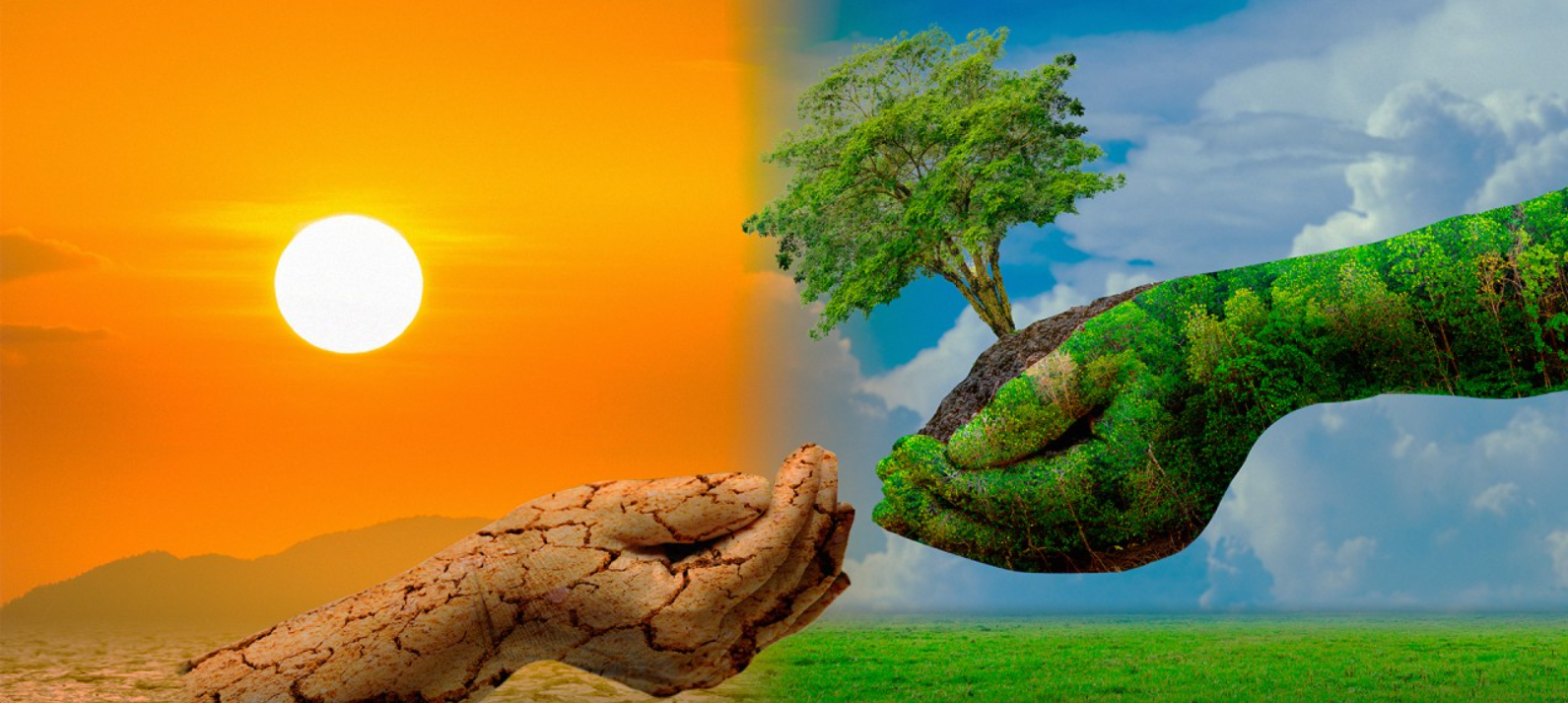
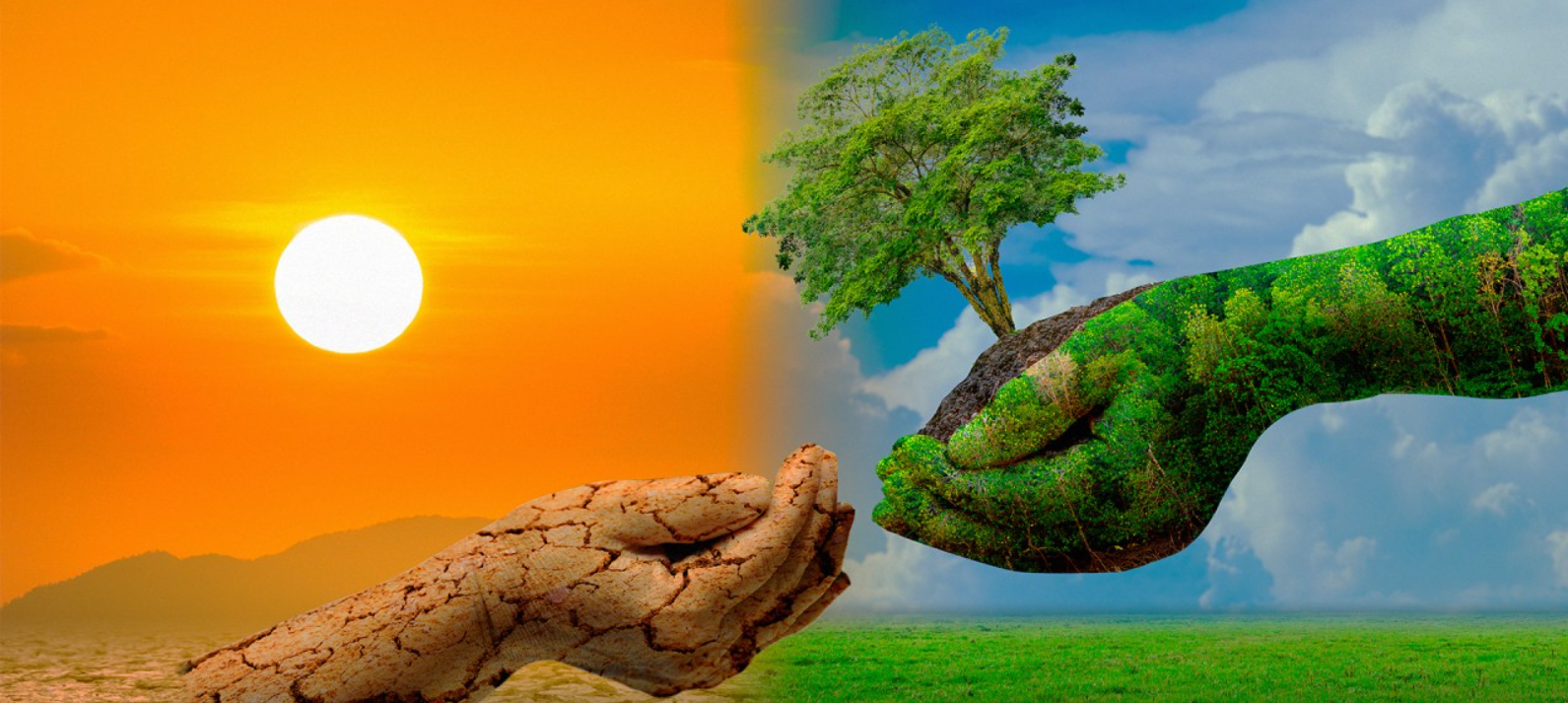
In this opinion piece, let me examine the reasons for soaring summer temperature, its impact on health and livelihood of the population, the preparedness and actions of the local governments in dealing with it. A study published in “Nature Communications” recently reveals that trees can generally cut extra heat and can counter nearly half the urban heating from pavements and buildings in the cities. However, the results are disappointing in hotter and poorer cities, where cooling on account of tree planting is not as effective. The general conclusion of the study indicates that tree cover provide shade and release water vapor that cools the surrounding by .30Celsius. ‘Urban heat island effect’ is a measure of absorption of heat through dark roofs and pavements, and causes warming, which can partially be countered by growing trees in the vicinity of high built-up areas. The study’s lead author Rob MacDonald a Scientist at ‘Nature Conservancy’ said that poorer and hotter large urban centres are not getting as much relief from the higher heat, where human casualties can be more. The high temperature can confuse the human brain, shut down organs and make heart overwork making it fatal for the victims.
The study found that the cooling from trees in Dakar, Senegal, Jeddah, Saudi Arabia, Kuwait City, Amman and Jordan is quite insignificant. As against this, the trees have cooled the cities like Atlanta, Moscow, Seattle, Sydney, Washington DC significantly up to .250 Celsius. Significant reduction in temperature is found to be due to larger area under tree cover. Atlanta, a US City has recorded 64% of its land under tree cover. Christ Greene, Prof. in University of Dalhousie, Canada, who was not the part of the study said that the wealthy areas have larger plots and residents with more political clout, which contribute to a larger tree cover. Thomas Crowther, an Ecologist at King Abdullah Institute of Science and Technology said that the region registers hardly any cooling from trees as the most important need of the people is water, which are hardly spared for growing trees. Trees in these regions cannot be grown without watering at initial stages. He further argues that 75% of population migrates towards urban areas, developing urban vegetation is extremely vital for their survival. The study’s authors conclude that poorer and hotter cities should do more to increase the tree cover in and around the urban centres. Proper land and water must be made available for growing trees of native species, which have greater potential to cut excess heat. Trees grown without irrigation at initial stages can hardly be tall and shady.
The year 2024 so far has been the warmest on record, where average global temperature has registered 1.540 Celsius more than the pre-industrial temperature in the year 1870. The latest prediction of National Oceanic and Atmospheric Administration (NOAA) indicates that there is 82% chance of developing a super El Nino weather pattern by late summer and fall this year, which may last from nine months to one year and raise the global temperature for most part of 2027. The year 2027 is, thus, predicted to breach the highest temperature record of 2024. In other words, the summer of 2027 is going to be more severe than what we are experiencing in 2026.
The warming of the planet is linked to unprecedented consumption of fossil fuel (coal, oil and gas) mainly in developed world and cold countries. To maintain a high standard of life style and to keep their houses and work places within comfortable temperature limits (18 to 22 degrees Celsius), the developed and cold countries continue to consume fossil fuel based energy resulting in continuous rise in temperature. The human population of countries in global south are at the receiving end and suffer from resulting climatic catastrophes, Sea surges and heat waves.
Urban centres world-wide have been facing ever expanding concrete structures and pavements by drastically changing the land uses. As a result, the natural drains are collapsing and so also the underground water recharge. On the other hand, the concretes and pavements have higher heat absorbing capacity and the heat absorbed by the structures during the day time is emitted during night keeping the building and the houses warm even during the nights. The demand for power surges as more air-conditioners function. India’s peak power demand in early May this year has registered 255 Giga Watt, which is consistently going up every summer.
Exceptionally early heat waves this year has shattered temperature records in UK, France and other European countries. In France alone seven people have died due to rise in temperature that included five drowning and two deaths in sports competitions. To cool themselves off, the youngsters, not good in swimming, jumped in lakes and water bodies and drowned. In UK many homes, businesses and schools do not have air-conditioning as the government in 2021 had put a ban on air-conditioners in new buildings, as one of the measures to achieve net zero by 2050. Recent heat wave has refreshed the subject of air-conditioner ban in UK that has led to spat between the government and the opposition members.
While additional energy needed to beat the heat comes from further consumption of fossil fuel, we are caught in a vicious cycle of climatic disruptions. This means that more warming leads to higher consumption of coal, oil and gas and vice-versa. What governments should and must do is to provide shelters for human occupancy equally spaced in the region, which can be made use of when the temperature crosses 400 Celsius. The work hours for gig workers, laborers and farmers should be restricted in early hours as well as in late afternoons. Government health centres must remain responsive in the period when heat wave conditions prevail. Layouts in urban locations should have places for growing trees and increasing the tree canopy. The government lands like ‘Delhi Ridge’ have potential to take up massive afforestation with native tree species of tall and shady variety. The existing vegetation of Prosopis and other thorny species would never grow into tall and shady trees. We must get rid of these and plant native species like Ficus, neem and even fruit yielding species like mango and jack-fruit.
Apart from large tree groves equally spaced in urban layouts, urban water bodies are also needed to be rejuvenated for citizens to have respite from heat. The ongoing heat wave is to be followed by El Nino, the governments must continue to monitor the reservoir levels to manage irrigation, power and urban water supply. IMD must continue to provide rain forecast regularly. A cap must be put on the rent of water tankers supplying water to the citizens in emergency. In order to check the wildfire in the forests, protection measures must be in place. Even the services of fire extinguishing helicopters may be needed.
(The author, a former civil servant, has served as the Head of Forest Force, Karnataka and currently teaches “Economics” in Karnataka Forest Academy.)



[[comment.comment_text]]