Betting on the Uncapped

 9 months, 3 weeks ago
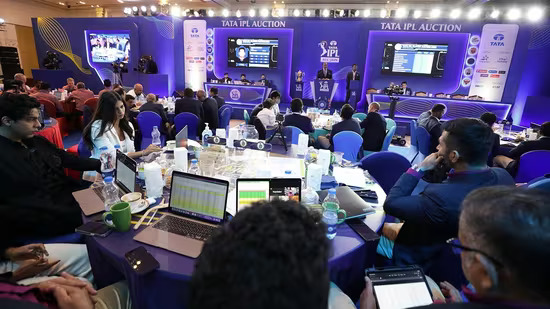
The IPL 2026 mini-auction marked a subtle but significant recalibration in how franchises are building their squads. Of the 77 players sold, 39 were uncapped Indians — exactly half the total — a proportion rarely seen at this scale in previous auction cycles. More strikingly, three uncapped players, Kartik Sharma, Prashant Veer and Auqib Nabi, figured among the top 10 most expensive purchases. This was not a coincidence driven by auction-room impulse; it reflected a deliberate and increasingly data-driven shift in franchise strategy.
For much of the IPL’s history, team-building followed a predictable hierarchy. Proven international names and capped Indian players formed the core, while uncapped domestic cricketers were viewed as low-cost backups or long-term projects. Their value lay in potential rather than immediate impact. The 2026 mini-auction suggests that this hierarchy is being steadily dismantled. Uncapped players are no longer peripheral acquisitions; they are being treated as frontline investments.
Several structural factors explain this transition. First, India’s domestic T20 ecosystem has expanded dramatically. Beyond the Syed Mushtaq Ali Trophy, state leagues and privately run T20 tournaments have created a continuous pipeline of match-ready talent. Franchises now track players year-round using video analysis, ball-by-ball data, fitness metrics and role-based performance indicators. This has reduced uncertainty around young players and increased confidence in projecting their IPL readiness.
Second, the economics of the league have changed. Established stars come with high price tags, workload management constraints, and limited long-term upside. In contrast, uncapped players offer multi-season value at relatively controllable costs, especially if they can be retained before their market value spikes. Investing early allows teams to lock in future core players rather than repeatedly rebuilding around expensive veterans.
Chennai Super Kings’ auction approach illustrates this logic clearly. Entering the 2026 cycle, CSK faced an inevitable transition phase with Mahendra Singh Dhoni and Ravindra Jadeja nearing the end of their careers. In earlier years, the franchise might have prioritised experience to preserve continuity. Instead, CSK chose to back 19-year-old Kartik Sharma and 20-year-old Prashant Veer, trusting their scouting assessments over reputation.
This decision was shaped by recent evidence. During the 2025 season, CSK recovered from a poor start only after introducing young replacements who delivered immediate returns. That experience reinforced a crucial lesson: with clearly defined roles and institutional backing, young players can adapt faster than assumed. The auction strategy, therefore, was less about experimentation and more about succession planning.
The presence of uncapped players among the costliest buys also underlines how competitive scouting has become. Kartik Sharma, Veer and Auqib Nabi were not acquired because they were affordable; they commanded high prices because multiple franchises identified them as high-ceiling players. When information asymmetry narrows, auctions reward conviction rather than caution.
There is also a broader tactical dimension. The modern IPL demands specialists — powerplay enforcers, middle-overs hitters, death bowlers — rather than generic all-rounders. Many uncapped players emerging from domestic T20 leagues are already groomed for such specific roles. This makes them immediately useful in tightly defined game plans, reducing the adjustment period traditionally associated with younger cricketers.
That said, this youth-centric approach carries risks. Uncapped players are more susceptible to form volatility and the psychological pressures of the IPL spotlight. Franchises betting heavily on them must compensate with strong leadership groups, mentoring structures and realistic expectations. Development, not instant stardom, remains the underlying objective.
Taken together, the IPL 2026 mini-auction signals a league entering a more mature phase of talent management. Franchises are thinking less in terms of marquee names and more in terms of value cycles, role clarity and long-term squad stability. If the current crop of uncapped players justifies the faith shown in them, this auction may be remembered as the point when youth investment moved from the margins to the mainstream of IPL strategy.









[[comment.comment_text]]