Hope for Childless Couples: Goa Makes IVF Free

 1 year, 2 months ago
Becoming a parent is a dream cherished by countless couples. Yet, for many, this simple wish remains painfully out of reach because of infertility. While medical science has made extraordinary strides to help people overcome these barriers, the high cost of advanced treatments has meant that only a privileged few could access them. In-vitro fertilisation (IVF), in particular, has been a ray of hope worldwide for over four decades, but in India, its availability and affordability have been limited, leaving many to endure both financial hardship and emotional anguish.
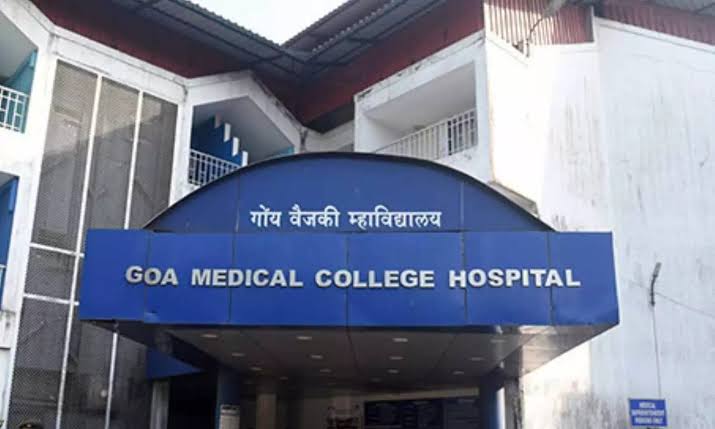
Recognising this gap, the Government of Goa has introduced a groundbreaking initiative to make IVF treatment entirely free for all eligible couples in the state. This historic decision is the first of its kind in India and reflects the state’s commitment to compassionate, inclusive healthcare. Beginning September 1, IVF treatment will be available free of cost at the Goa Medical College and Hospital (GMCH) in Bambolim. The new Assisted Reproductive Technology (ART) and intrauterine insemination (IUI)/IVF Centre has been set up in the super-speciality block of the hospital. The facility has been equipped using Corporate Social Responsibility (CSR) funds to ensure that the cost burden does not fall on patients.
Infertility affects around one-fifth of couples in Goa. Until now, many families were forced to travel to other states, spending anywhere from ₹50,000 to ₹60,000 per IVF cycle in private clinics. For those requiring multiple cycles, the costs could escalate to ₹5–7 lakh. These expenses pushed many to sell property, mortgage jewellery, or take loans simply to try and have a child. Sadly, for some, even these sacrifices did not bring success, leading them to give up hope altogether.
With the launch of the free IVF programme, more than 100 couples have already registered to avail themselves of the treatment. Out of 80 cases that have proceeded, 19 conceptions have occurred, and seven babies have already been delivered. These early results have brought renewed optimism to families who had struggled for years.
The process of IVF treatment requires careful monitoring and a high level of specialised care over several weeks. To ensure quality, an expert committee of senior doctors assesses each case and guides couples through the protocol. Staff nurses have been trained in all procedures, and standard operating protocols have been established so that every stage is handled efficiently and safely. The ART Centre has been integrated with a dedicated mother and child block, and a Neonatal Intensive Care Unit (NICU) has also been set up to support newborns.
Many of the couples who have come forward have already undergone unsuccessful treatments elsewhere at great personal cost. Now, with this facility within the state, they have a chance to try again without the crushing burden of expenses. To support families further, the government has set up a dedicated helpline to answer questions and provide reliable information. This is especially important because infertility treatment has often been surrounded by myths and uncertainty, leaving people to rely on hearsay.
This initiative builds on Goa’s record of progressive health policies. The state was the first to offer free breast cancer screening, and it continues to expand hi-tech healthcare in both urban and rural areas. From improving primary health centres to building super-speciality hospitals, the Directorate of Health Services has worked consistently to strengthen infrastructure and make advanced treatments accessible to everyone.
India has some of the highest IVF success rates in the world, drawing patients from abroad to major cities. With this move, Goa is not only making parenthood possible for its own citizens but also laying the groundwork to emerge as a hub for fertility treatment in the country. More importantly, it is showing that with commitment and vision, public health systems can deliver life-changing services that bring dignity and hope to families.
Behind every statistic are real people—mothers and fathers who have yearned for a child of their own. For them, this step means the chance to build the family they have long dreamed of, without sacrificing their savings, health, or peace of mind. Goa’s free IVF programme stands as a powerful example of how governance rooted in empathy and inclusion can transform lives and fulfil the most heartfelt aspirations of its people.
(Author is a practicing physician.)








[[comment.comment_text]]