BJP’s Choice of VP Candidate Aims at Pacifying RSS

 1 year, 2 months ago
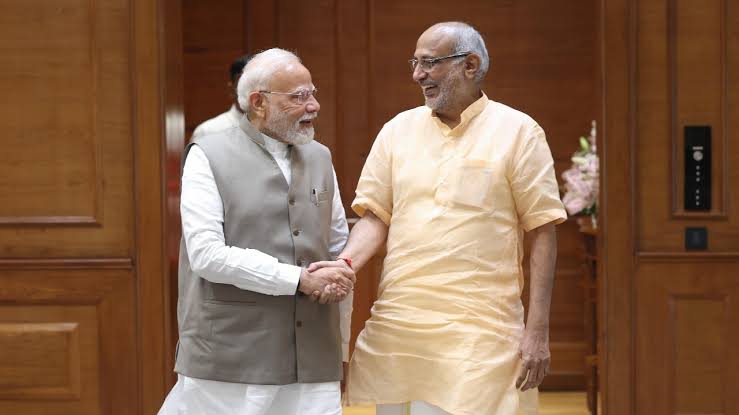
The selection of C.P. Radhakrishnan as the NDA's candidate for Vice President is a strategic move by Prime Minister Narendra Modi. Radhakrishnan, a long-time RSS loyalist, is seen as a compromise candidate to ease tensions between the BJP and its ideological parent, the RSS. This selection is an attempt to address the ongoing friction over the selection of a new BJP party president, a decision that is long overdue. By choosing a leader with deep roots in the RSS, Modi is signaling a peace offering and a desire to restore equilibrium between the party and the government.
The choice of Radhakrishnan also reflects a significant shift in the BJP's strategy in Tamil Nadu. Having failed to make major inroads in the state with a hardline, confrontational approach, the party is now pivoting back to a more consensual and alliance-friendly model. Radhakrishnan, known for his rapport with Dravidian parties like the AIADMK, is expected to play a crucial role in rebuilding these connections. This marks a departure from the recent strategy led by K. Annamalai, who was known for his aggressive politics. Annamalai, who was appointed to lead the hardline approach, has now been replaced. The party now hopes to leverage Radhakrishnan's old connections and moderate demeanor to re-establish a working relationship with the AIADMK. This change in course highlights the BJP's pragmatic approach to state politics, adapting its strategy based on electoral outcomes.
The appointment of a new BJP president is a central point of contention. The current president, J.P. Nadda, has been in the role since January 2020, and his term is long over. The delay and uncertainty surrounding his replacement have reportedly been a source of disturbance between the BJP and the RSS. The RSS has reportedly been unhappy with the party's recent evolution, so, the nomination of an RSS stalwart like Radhakrishnan is an attempt to address these concerns and facilitate the smooth selection of a new party chief who can satisfy both sides.
Although the opposition has fielded a joint candidate, Justice B. Sudershan Reddy, Radhakrishnan's victory is seen as a formality due to the NDA's majority in Parliament. This is expected that Radhakrishnan will be a "constitutional vice president" rather than a party man, judging by his commitment to conventions and traditions. This would set a distinct tone for his tenure, prioritizing his constitutional duties over party affiliations, a move that could further help in balancing the delicate relationship between the government, the party, and its ideological mentor.




[[comment.comment_text]]