The Silent Victories of Everyday Policing

 1 year, 3 months ago
Not all victories come with sirens blaring and medals gleaming. Some come quietly—like the sigh of relief from a mother when her missing child is found near a sweet shop. Or the brief nod of respect from a shopkeeper whose extortionist didn’t return this month. These are the silent victories of policing—daily, unnoticed, and, more often than not, uncelebrated.
Policing isn’t just about high-stakes chases and breaking sensational crime rackets. That’s the movie version. The real thing is far more mundane, and yet, in many ways, more meaningful.
Take constable Mishra, who’s been posted to a railway crossing for the last seven years. He hasn’t caught a terrorist or led a raid. But he has made sure no schoolchild has ever slipped under the barrier. He has helped an old man cross the tracks at least 300 times. His win? Zero accidents on his beat. No applause. No headlines. Just a safe crossing and another day.
Or take Sub-Inspector Neelam, who spends most mornings mediating neighborhood fights that would make UN peacekeepers nervous. Her weapons? Patience, chai, and a sharp memory for who borrowed whose pressure cooker and didn’t return it. The colony calls her “Neelam Didi”—a strange title for a police officer, but maybe the highest compliment possible. She hasn’t filed a single FIR for the last three disputes. Why? Because she resolved them.
Then there’s the beat constable who notices a boy loitering near an ATM for the third evening in a row. Instead of waiting for a crime, he walks up, chats, and learns the boy’s just lost his job and hasn’t told his parents. A quiet intervention follows. The boy is referred to a local NGO. The ATM remains untouched. And the boy? He stays out of trouble.
No big bust. No press conference. Just another quiet win.
You see, much of good policing isn’t visible because it prevents something from happening. There is no camera to capture a riot that didn’t break out. No headline says: “City Sleeps Peacefully Again, Thanks to Uneventful Night.” The irony is, the more successful the system is, the less noise it makes.
Sometimes I wonder: if a tree falls in the forest and no one hears it, does it make a sound? And if a cop prevents a crime before it happens, but no one reports it, does it still count?
We say yes. Every time.
Because behind the statistics, the uniforms, the FIRs, and the files, there are human stories—of cops who lent money from their own pockets to get a stranded labourer home. Of officers who worked extra shifts so a colleague could attend his daughter’s wedding. Of SHOs who kept phone numbers of vulnerable women and checked in every week—not as duty, but as habit.
And then there’s the victory no one sees: going home at midnight, peeling off the sweaty uniform, and knowing you helped someone—even if they’ll never remember your name.
It’s true, we get things wrong sometimes. The system stumbles. Some fall short of the values the uniform stands for. And when that happens, we must be held accountable. But in our criticism, let’s not forget the silent good—the hundreds of daily acts that hold the thin line between chaos and calm.
The world doesn’t fall apart every day.
That itself is a sign that someone, somewhere, quietly held it together.
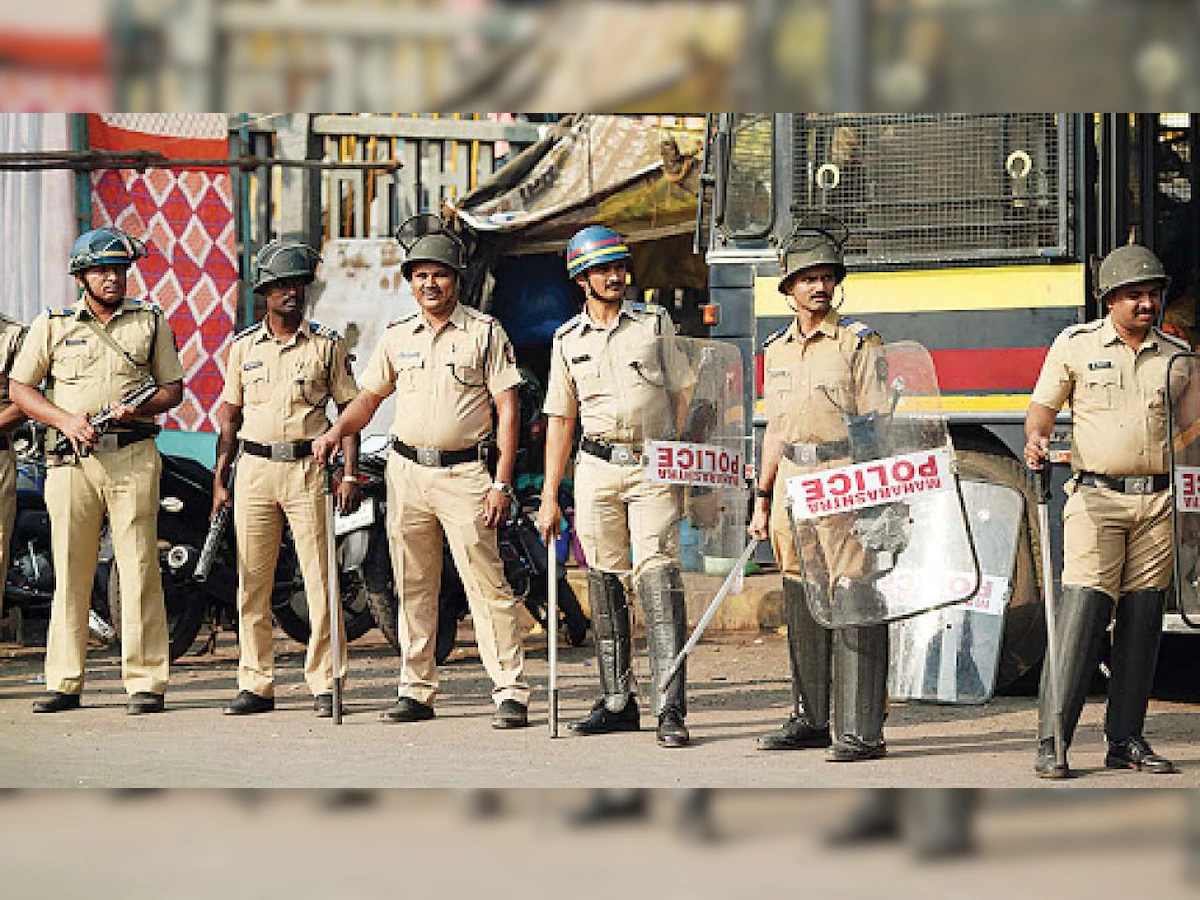
So, the next time you pass a cop scribbling something in a worn diary, or standing silently under a flyover, or sipping tea alone in the corner of a crowded mela—know this: they may not have caught a big criminal that day. But they may have prevented something worse. They may have delivered one more silent victory.
And in policing, that’s more than enough.
(Author, a retired Indian Police Service officer, retired as DGP of Uttar Pradesh.)






[[comment.comment_text]]